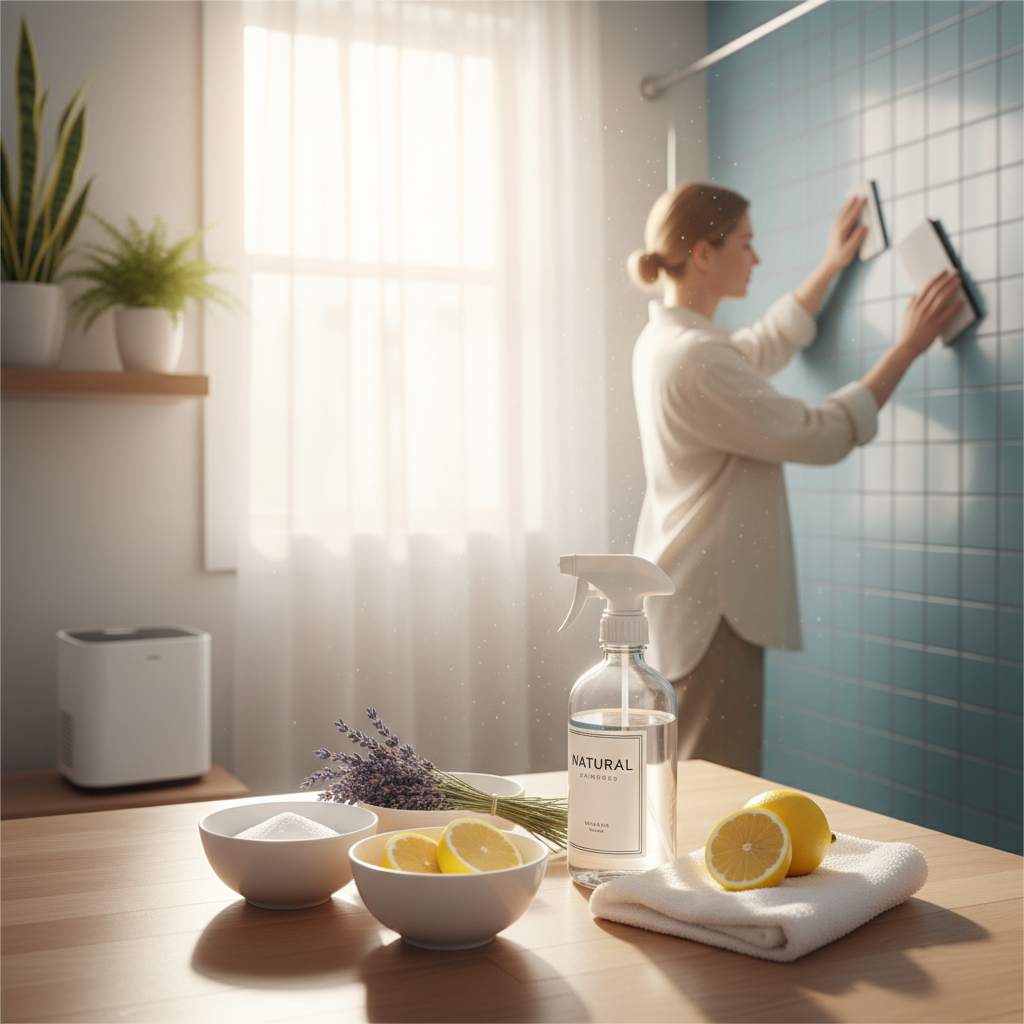
Mold is more than just an unsightly stain on the wall; it is a biological intruder that can compromise both the structural integrity of your home and the health of your family. For many homeowners, the first sign of trouble is a faint, musty odor or a small, fuzzy patch in a damp corner. However, by the time mold becomes visible, it has often already established a complex colony within wall cavities, under floorboards, or inside HVAC systems. At FIND-A-PRO, we believe that the most effective way to manage mold is to prevent it from ever taking root. This guide provides a deep dive into the science of moisture control and offers practical, professional-grade strategies to keep your living environment dry and safe. Whether you are a proactive homeowner or a service professional looking to provide better advice to your clients, these tips will serve as your blueprint for a mold-free home.
Understanding the Science: Why Mold Grows in Your Home
To effectively prevent mold, you must first understand what it needs to thrive. Mold spores are omnipresent in the environment, both indoors and out. They are essentially waiting for the perfect conditions to land, grow, and digest organic material. The four primary ingredients for mold growth are moisture, food, warmth, and time.
While you cannot remove organic materials like wood, drywall, or carpet from your home, and you certainly want to keep your home warm, you can control moisture. Moisture is the single most important factor. Without water, mold cannot grow. According to the U.S. Environmental Protection Agency (EPA), moisture control is the key to mold control. Mold can begin to grow within 24 to 48 hours of a water event, making speed the second most critical factor in prevention. By eliminating stagnant water and reducing high humidity, you effectively starve the mold of its most vital resource.
Mastering Indoor Humidity: The 30-50% Golden Rule
One of the most common causes of mold growth is high indoor humidity, which often goes unnoticed until it’s too late. When air is saturated with water vapor, it can condense on cooler surfaces like windows, pipes, and exterior walls, creating a breeding ground for spores. Professionals recommend keeping your indoor relative humidity between 30% and 50%.
- Use a Hygrometer: This inexpensive device measures humidity levels in real-time. Place one in the basement and one in the main living area.
- Run Dehumidifiers: In damp climates or during humid summer months, a dehumidifier is essential. Ensure the unit is sized correctly for the room and remember to empty the reservoir frequently or use a hose to drain it automatically.
- Air Conditioning: Your AC system acts as a natural dehumidifier. Ensure it is serviced regularly to maintain its efficiency in pulling moisture out of the air.
By keeping humidity low, you prevent the 'dew point' condensation that often occurs on the backside of drywall, which is a leading cause of hidden mold growth.
The Kitchen and Bathroom: High-Moisture Battlegrounds
Bathrooms and kitchens are the most frequent sites for mold because of the sheer volume of water used daily. Prevention in these areas requires a combination of behavioral changes and structural maintenance. In the bathroom, always use the exhaust fan while showering and leave it running for at least 20 minutes after you finish. If your fan isn't clearing the steam quickly, it may be underpowered or clogged with dust.
In the kitchen, use exhaust fans while cooking to vent steam outside. Beyond ventilation, you should regularly inspect under-sink cabinets for slow drips. Even a tiny leak from a garbage disposal or a p-trap can saturate the cabinet base, leading to mold growth that stays hidden until the wood begins to rot. For more tips on maintaining these critical areas, check out our essential home maintenance guide.
Exterior Maintenance: Keeping the Water Out
Many mold problems inside the home actually start on the outside. If water is not properly diverted away from your foundation, it will eventually find its way into your basement or crawl space through hydrostatic pressure. To prevent this, you must maintain your home's exterior drainage systems.
- Clean Your Gutters: Clogged gutters cause water to overflow and pool at the foundation. Clean them at least twice a year—once in the spring and once in the fall.
- Extend Downspouts: Ensure that your downspouts discharge water at least 5 to 10 feet away from the house. Use splash blocks or underground piping if necessary.
- Check the Grading: The ground around your foundation should slope away from the house at a rate of at least 6 inches for every 10 feet. If the ground slopes toward your house, water will naturally collect against your walls.
Proper exterior maintenance ensures that the 'envelope' of your home remains dry, which is the most effective long-term mold prevention strategy.
Optimizing Airflow and Preventing Cold Bridges
Stagnant air is a friend to mold. When air doesn't move, moisture can settle in corners and behind furniture, leading to localized growth. To improve airflow, avoid pushing furniture directly against exterior walls. Leaving even a two-inch gap allows air to circulate and prevents the wall from becoming a 'cold bridge' where condensation forms.
Closets are another high-risk area. If you have an overflowing closet on an exterior wall, consider using slatted shelving to improve air circulation. During the winter, keep closet doors slightly ajar to allow warm air to reach the colder back walls. For service professionals, recommending these simple lifestyle adjustments can be just as important as fixing a physical leak.
The 24-Hour Rule: Responding to Leaks and Spills
Accidents happen. Whether it’s a burst pipe, a leaking water heater, or a heavy rainstorm that floods the basement, your response time determines whether you will face a mold problem. The rule of thumb is that you have 24 to 48 hours to completely dry out an area before mold begins to colonize.
If you experience a water event, immediately remove any wet materials, such as area rugs or cardboard boxes. Use heavy-duty air movers and dehumidifiers to pull moisture from the structural elements of the home. If drywall or carpeting remains saturated for more than 48 hours, it often must be removed and replaced. Taking quick, decisive action can save you thousands of dollars in remediation costs later. If the task is too large to handle alone, using a platform like FIND-A-PRO can help you quickly locate verified local restoration specialists who have the equipment needed for rapid drying.
Attic and Crawl Space: Out of Sight, Not Out of Mind
Because we rarely visit our attics or crawl spaces, these areas are often where mold grows undisturbed for years. In the attic, mold is usually caused by roof leaks or improper ventilation that traps heat and moisture. Ensure that your soffit vents are not blocked by insulation and that your roof vents are clear. In the crawl space, a vapor barrier is non-negotiable. A thick plastic layer should cover 100% of the ground to prevent moisture from the earth from evaporating into your floor joists.
Check these areas at least once a season, especially after heavy rains. Look for signs of 'efflorescence' (a white, powdery substance on masonry) which indicates that water is moving through the walls. Early detection in these utility spaces prevents mold from migrating into the main living areas of the house.
When to DIY vs. When to Hire a Pro
Small patches of mold—less than 10 square feet—can often be handled by a homeowner using soap, water, and a commercial mold cleaner. However, if the mold covers a large area, is the result of sewage backup, or if you suspect it is hidden behind walls, you should never attempt to clean it yourself. Disturbing large mold colonies without proper containment can release millions of spores into your air, worsening the problem and posing a health risk.
When hiring help, it is vital to work with someone who follows industry standards for mold remediation. At FIND-A-PRO, we connect homeowners with professionals who are vetted for their expertise and reliability. For more information on finding the right help for your specific needs, read our guide on how to hire a service professional. A qualified professional will not only remove the mold but, more importantly, help you identify and fix the moisture source that caused it.
Frequently Asked Questions (FAQ)
Q: How can I tell if mold is dangerous?
A: While many people fear 'black mold,' all types of mold should be treated as a potential health risk and removed promptly. You cannot determine a mold's toxicity just by looking at its color. If you have unexplained respiratory issues or allergies that flare up when you are at home, it’s worth a professional inspection.
Q: Does bleach kill mold on drywall?
A: No. Bleach is effective on non-porous surfaces like tile or metal, but it cannot penetrate porous materials like drywall or wood. It often only kills the surface mold, while the water in the bleach solution actually feeds the roots (mycelia) deeper inside the material.
Q: What is the first sign of a mold problem?
A: A musty or earthy smell is often the first indicator, even if you can't see any growth. Other signs include peeling wallpaper, bubbling paint, or dark spots on ceilings and walls.
Key Takeaways
Preventing mold is a continuous process of vigilance and maintenance. By controlling humidity, ensuring proper drainage, and responding quickly to water issues, you can create an environment where mold simply cannot survive. Remember that your home is a system; every part, from the gutters to the HVAC, plays a role in keeping things dry. If you ever find yourself overwhelmed by a moisture issue or suspect hidden mold, don't wait for the problem to grow. Use FIND-A-PRO to find the best local professionals who can help you restore your home to its safest, healthiest state. Taking these steps today will ensure your home remains a sanctuary for you and your family for years to come.
