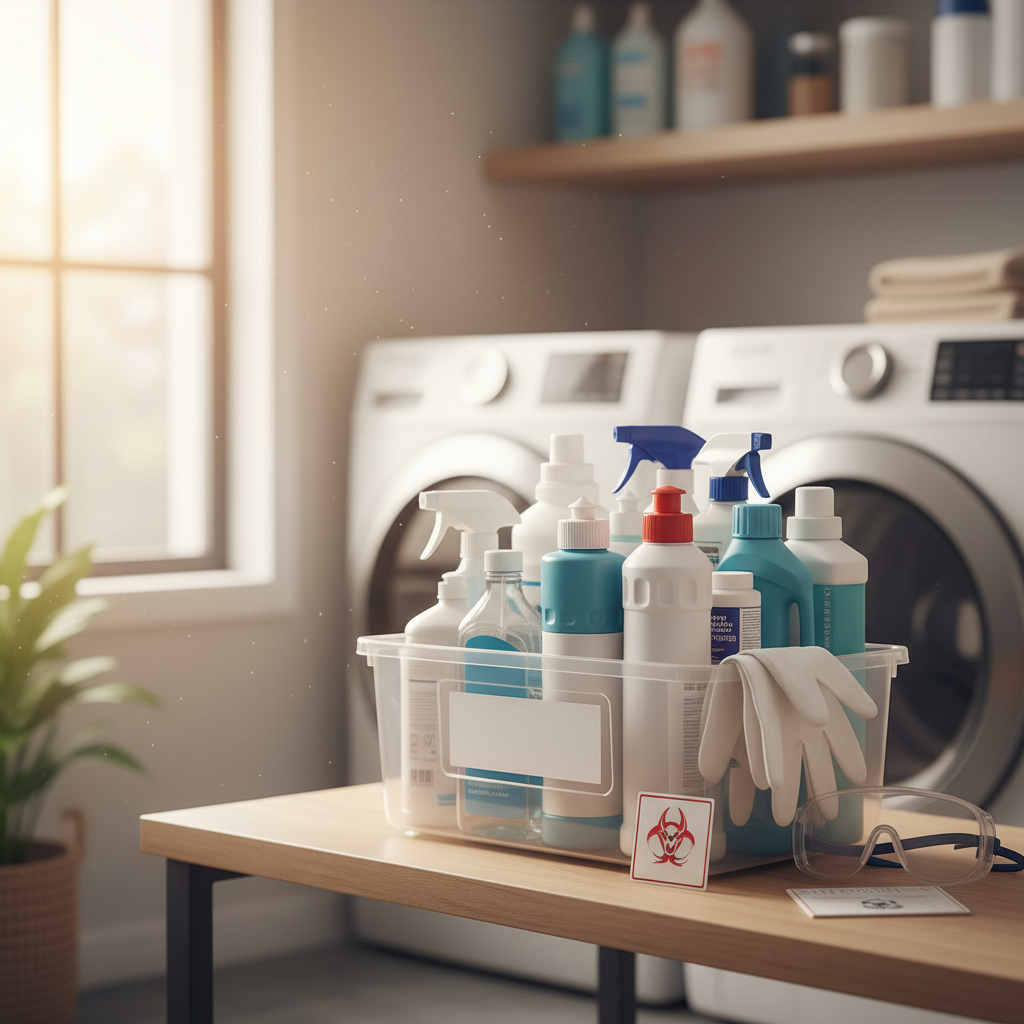
We all have that one cabinet—usually under the kitchen sink, tucked away in the laundry room, or lining the shelves of the garage—packed tightly with brightly colored bottles, sprays, and powders. From heavy-duty grease removers and bleach to lawn fertilizers and paint thinners, household chemicals are a necessary part of modern home maintenance. However, they also introduce significant, hidden risks if they are not handled with the utmost respect. Chemical safety at home is not just a specialized topic for industrial laboratories or commercial facilities; it is a critical daily practice for every homeowner and service professional. Whether you are tackling a weekend deep clean, planning a major renovation, or hiring an expert to treat your home for pests, understanding how to appropriately store, use, and dispose of these powerful substances can prevent disastrous accidents. In this comprehensive guide, we will walk you through the essential rules of household chemical safety, provide actionable tips to protect your family and pets, and outline the best practices for collaborating with home service professionals safely.
Identifying Common Household Chemical Hazards
When we think of dangerous chemicals, we often picture bubbling beakers or industrial drums, but the reality is that the average home contains dozens of hazardous compounds. Understanding what you are dealing with is the first step toward effective chemical safety at home.
Household chemicals typically fall into four main categories based on their primary hazard:
- Toxic: Products that can cause injury or death if ingested, inhaled, or absorbed through the skin. Common examples include pesticides, antifreeze, and certain rust removers.
- Corrosive: Substances that can burn or destroy living tissue and other materials on contact. Drain cleaners, oven cleaners, and battery acid are prime examples.
- Flammable: Liquids or gases that can easily ignite. Paint thinners, aerosol sprays, gasoline, and rubbing alcohol fall into this dangerous category.
- Reactive: Chemicals that can explode or release toxic gases when exposed to heat, air, water, or other chemicals (like bleach and ammonia).
Additionally, many everyday products release Volatile Organic Compounds (VOCs) into the air. According to the EPA's guide on Indoor Air Quality, VOCs from paints, varnishes, and standard cleaning supplies can cause headaches, dizziness, and long-term respiratory issues. Becoming a label-reader is essential; always look for signal words like CAUTION, WARNING, DANGER, or POISON to instantly gauge a product's threat level.
The Golden Rules of Safe Chemical Storage
Improper storage is the leading cause of chemical accidents in the home, particularly involving children and pets. Establishing a strict, organized storage system is non-negotiable for true household safety.
1. Keep in Original Containers
Never transfer chemicals into unapproved containers, especially food or beverage containers. A tragic number of poisonings occur because a child (or even an adult) mistakes a brightly colored cleaner in a water bottle for a sports drink. The original container also holds crucial information, including exact ingredients, expiration dates, and emergency first-aid instructions.
2. Control the Climate
Chemicals are highly sensitive to temperature fluctuations. Storing paint, aerosols, or pool chemicals in a hot garage or a freezing shed can cause them to expand, leak, separate, or even explode. Most manufacturers recommend storing chemicals in a cool, dry, well-ventilated area away from direct sunlight and extreme weather.
3. Separate Incompatible Substances
Do not store all your chemicals haphazardly in one big bin. If a shelf collapses or containers leak, incompatible chemicals can mix and create toxic fumes or fires. For example, never store bleach next to ammonia or vinegar. Keep flammable liquids far away from corrosive cleaners, and store pool chemicals completely separate from everything else.
4. Out of Reach and Locked Away
The area under the sink is the most common place to store cleaners, but it is also the most accessible to toddlers and pets. Elevate your storage. If you must keep chemicals in lower cabinets, install high-quality, durable childproof locks. For extreme hazards like automotive fluids or potent pesticides, a dedicated, locked cabinet in the garage is the safest choice.
Safe Handling and Usage Best Practices
When it is time to actually use these products, complacency is your worst enemy. Treating common household chores with a professional level of care will dramatically reduce your risk of injury.
Always Ventilate the Space
Never use harsh chemicals in a closed room. Whether you are scrubbing the shower with bleach or staining a piece of furniture, ensure proper airflow. Open multiple windows, turn on exhaust fans, and keep doors open to dilute airborne concentrations of toxic fumes. If you start to feel lightheaded or your eyes begin to water, leave the room immediately and get fresh air.
Wear Appropriate Personal Protective Equipment (PPE)
You do not need a hazmat suit to clean your bathroom, but standard PPE is highly recommended. Always wear thick, reusable rubber gloves when handling corrosives to prevent chemical burns and dermatitis. If you are spraying chemicals overhead or using highly volatile substances, safety goggles (not just standard eyeglasses) will protect your eyes from accidental splashes. For dusty projects or when working with high-VOC products, consider an N95 or respirator mask.
Use the Minimum Amount Necessary
More is not always better. Using double the recommended amount of laundry detergent or floor cleaner does not yield a cleaner home; it simply leaves behind toxic residue and wastes money. Always follow the manufacturer’s instructions regarding dilution ratios. If a product calls for one ounce per gallon of water, adhere strictly to that measurement.
The Fatal Mistake: Chemicals You Should Never Mix
One of the most dangerous myths in home cleaning is that mixing different products will create a 'super cleaner.' In reality, mixing certain household chemicals can trigger violent, sometimes deadly, chemical reactions. If you want to know what household chemicals you should never mix, keep this critical list in mind:
- Bleach + Ammonia = Chloramine Gas: This is the most common and dangerous accidental mixture. It produces toxic chloramine vapors that cause severe breathing difficulties, chest pain, coughing, and irritation to the eyes and throat.
- Bleach + Vinegar (or any acid) = Chlorine Gas: Mixing bleach with acids like vinegar, lemon juice, or toilet bowl cleaners releases chlorine gas. Exposure to chlorine gas, even at low levels, causes coughing, breathing problems, and burning, watery eyes. At high levels, it can be fatal.
- Bleach + Rubbing Alcohol = Chloroform: This combination creates highly toxic chloroform and hydrochloric acid. Inhaling these fumes can damage the nervous system, eyes, lungs, skin, liver, and kidneys.
- Hydrogen Peroxide + Vinegar = Peracetic Acid: While both are excellent natural cleaners when used separately, mixing them in the same container creates a corrosive acid that can severely irritate the skin, eyes, and respiratory system.
- Different Brands of Drain Cleaners: Never use a chemical drain cleaner, and then immediately follow it with a different brand if the clog doesn't clear. The different chemical bases can react, causing an explosive eruption of corrosive liquid back out of the drain.
What to do if you accidentally mix chemicals: Evacuate the area immediately, get to fresh air, and call Poison Control or emergency services. Do not go back inside to try and clean it up yourself.
Proper Disposal of Household Hazardous Waste (HHW)
When you finish a home project or do a garage cleanout, you are often left with half-empty containers of paint, old pesticides, and expired cleaners. Disposing of these items improperly—like throwing them in the regular trash, pouring them down the sink, or dumping them in a storm drain—poses a massive threat to local ecosystems and municipal water supplies.
The EPA classifies these items as Household Hazardous Waste (HHW), and they require special handling. Here is how to manage their disposal responsibly:
- Never Pour Down the Drain: Municipal water treatment plants are not designed to filter out heavy industrial chemicals, meaning these toxins can eventually make their way into local rivers, lakes, and oceans.
- Find a Local HHW Facility: Most counties or cities have a designated drop-off facility for hazardous waste. Check your local government website for locations and operating hours.
- Watch for Community Collection Days: Many towns host annual or bi-annual HHW collection events where you can safely drop off old paints, batteries, fluorescent bulbs, and harsh cleaners for free.
- Donate Usable Products: If you have leftover paint, fertilizer, or cleaning supplies that are still good, see if a neighbor, community theater, or local charity can use them.
Partnering with Professionals for Chemical-Heavy Jobs
Sometimes, a job requires industrial-grade chemicals that are simply too dangerous for a DIY approach. Whether it involves treating a severe termite infestation, handling heavy mold remediation, or stripping lead-based paint, these tasks are best left to licensed experts.
When you use FIND-A-PRO to connect with local service professionals, you gain peace of mind knowing you are hiring experts who understand chemical safety protocols. However, as a homeowner, it is still your responsibility to communicate with your hired contractors. Here is how to ensure a safe partnership:
First, always ask what chemicals will be used in your home. A reputable professional will gladly provide the Material Safety Data Sheets (MSDS) for their products. Second, inquire about necessary precautions. Ask if you, your children, or your pets need to vacate the premises during the application and how long the ventilation period should last.
For more advice on selecting the right expert for the job, check out our comprehensive guide on how to hire a service professional. Staying informed and hiring vetted experts is a cornerstone of our essential home maintenance guide.
Frequently Asked Questions (FAQ) About Household Chemicals
Q: How do I safely clean up a chemical spill at home?
A: First, ensure the area is well-ventilated and put on protective gloves and safety goggles. Do not use water if the chemical is reactive. For small liquid spills, use an absorbent material like kitty litter, baking soda, or dry sand to soak up the chemical. Carefully sweep the absorbent material into a heavy-duty plastic bag, seal it, and dispose of it at a local Household Hazardous Waste facility. If it is a large spill or a highly toxic substance, evacuate the home and call your local fire department’s non-emergency line for hazmat assistance.
Q: What is the shelf life of typical household cleaners?
A: Most cleaning products degrade over time. Bleach has a surprisingly short shelf life; it begins to lose its effectiveness after about six months and degrades into salt water within a year. Antibacterial sprays and disinfectants usually last 1 to 2 years. While using expired cleaners is rarely dangerous, it is highly ineffective, meaning you might not be killing the bacteria you think you are.
Q: Can I wash and reuse empty chemical containers for other purposes?
A: No. It is strongly advised never to reuse empty household chemical containers for other purposes, especially not for food, water, or DIY cleaning solutions. The porous plastic can absorb toxic chemicals, which can then leach into whatever you put in the bottle next. Once a chemical container is entirely empty, rinse it (if permitted by the label), cap it, and recycle it according to your local municipality's guidelines.
Key Takeaways
Chemical safety at home requires constant vigilance, proper storage, and a healthy respect for the products we use to maintain our living spaces. By understanding the hazards, never mixing incompatible products, and disposing of waste responsibly, you protect not only your household but the environment as well. For those heavy-duty projects where professional expertise is required, don't take unnecessary risks. Rely on FIND-A-PRO to connect you with top-rated, safety-conscious service professionals in your area who have the training and equipment to handle complex chemical applications securely and effectively.
