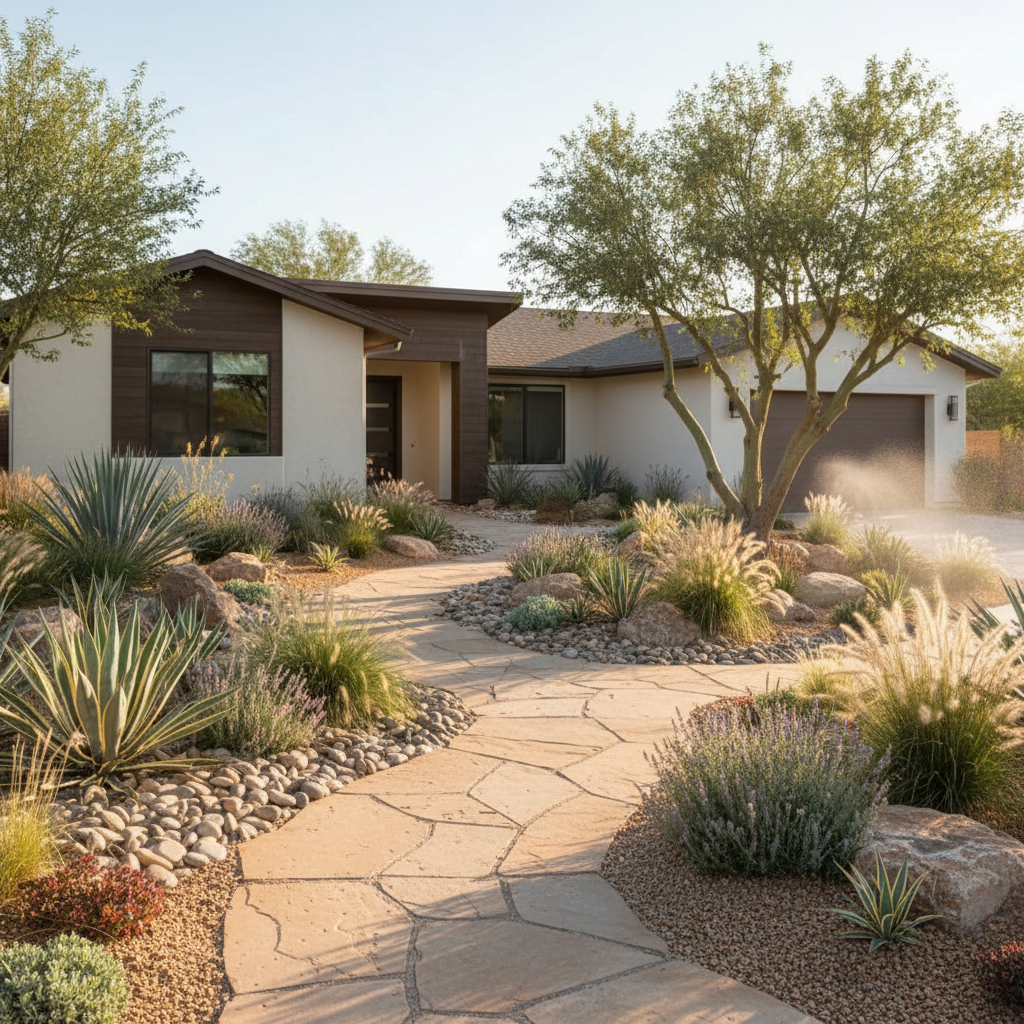
For many homeowners, the 'American Dream' has long been synonymous with a sprawling, lush green lawn. However, as water rates rise and regional droughts become more frequent, that emerald carpet is increasingly seen as a costly and time-consuming burden. Enter xeriscaping. Derived from the Greek word 'xeros,' meaning dry, xeriscaping is not just about rocks and cacti; it is a sophisticated, science-based approach to landscaping that maximizes beauty while minimizing water use. Whether you are living in the arid Southwest or a humid coastal region, the benefits of xeriscaping extend far beyond simple conservation. By rethinking your outdoor space, you can create a resilient, low-maintenance sanctuary that adds significant value to your property. In this guide, we will explore the multifaceted advantages of this sustainable practice and provide actionable steps to help you transition your yard into a water-wise masterpiece.
Understanding the Foundation: What Exactly is Xeriscaping?
Before diving into the benefits, it is crucial to debunk a common myth: xeriscaping is not 'zeroscaping.' It does not mean paving over your yard or filling it solely with gravel. At its core, xeriscaping is a set of seven horticultural principles designed to reduce or eliminate the need for supplemental irrigation. These principles include planning and design, soil improvement, efficient irrigation, appropriate plant selection, mulching, turf limitation, and proper maintenance. By following these guidelines, you can create a lush, vibrant garden that thrives on the natural rainfall of your specific climate.
According to the Environmental Protection Agency (EPA), outdoor water use accounts for about 30 percent of average household water use, but can be as high as 60 percent in arid regions. You can learn more about water conservation strategies on the EPA WaterSense website. By implementing a xeriscape design, you are moving toward a landscape that works with nature rather than against it. This proactive approach is a cornerstone of modern home management, much like the tasks found in our essential home maintenance guide.
Benefit 1: Massive Reductions in Water Consumption and Utility Bills
The most immediate and quantifiable benefit of xeriscaping is the dramatic reduction in your monthly water bill. Conventional turfgrass is an incredibly thirsty crop. In many climates, keeping a lawn green requires thousands of gallons of water per week during the peak of summer. Xeriscaping can reduce outdoor water use by 50% to 75%. This is achieved through hydrozoning, which involves grouping plants with similar water needs together. By doing this, you avoid overwatering drought-tolerant species while ensuring that thirstier plants get exactly what they need.
Furthermore, xeriscaping often utilizes drip irrigation systems rather than traditional spray sprinklers. Drip systems deliver water directly to the root zone of the plant, significantly reducing loss due to evaporation and wind drift. Over time, these savings add up to thousands of dollars, making xeriscaping one of the most financially sound investments a homeowner can make in their exterior property.
Benefit 2: Lower Maintenance Requirements and More Free Time
How many hours do you spend every month mowing, edging, fertilizing, and aerating your lawn? For many, the weekend is dominated by the roar of the lawnmower. One of the most beloved xeriscaping benefits is the gift of time. Because xeriscaped yards focus on slow-growing, native perennials and shrubs, the need for constant grooming is significantly diminished. You won't find yourself tethered to a weekly mowing schedule, and because native plants are naturally adapted to your local soil and pests, they require far fewer chemical interventions.
Actionable Tip: To further reduce maintenance, use a thick layer of organic mulch (3-4 inches). Mulch suppresses weed growth, retains soil moisture, and regulates soil temperature. As it breaks down, it also improves soil structure, reducing the need for artificial fertilizers. When you do need help with large-scale transitions, using a platform like FIND-A-PRO can connect you with local experts who specialize in native plant installation and hardscaping, ensuring the job is done right the first time.
Benefit 3: Increased Property Value and Enhanced Curb Appeal
Modern homebuyers are increasingly looking for 'smart' homes, and that intelligence extends to the yard. A well-designed xeriscape is seen as a premium feature because it promises the new owner lower utility bills and less weekend work. Furthermore, xeriscaping allows for a far more diverse and aesthetically interesting palette than a standard lawn. You can incorporate varying heights, textures, and colors using ornamental grasses, flowering shrubs, and decorative stonework.
A professional xeriscape design creates 'outdoor rooms' that feel like an extension of the living space. By using native plants like lavender, agave, coneflowers, or blue oat grass, you create a unique look that stands out in a neighborhood of identical green squares. This distinctiveness often translates to a higher resale value and faster time on the market. If you're planning to sell soon, check out our guide on how to hire a service professional to find a designer who can maximize your ROI.
Benefit 4: Environmental Stewardship and Biodiversity
Xeriscaping is a powerful way to support your local ecosystem. Traditional lawns are often 'biological deserts' that offer little to no food or shelter for pollinators. By selecting native plants, you are providing a vital habitat for bees, butterflies, and local birds. Native plants have co-evolved with local wildlife, meaning they provide the exact nectar and seeds these creatures need to survive. Additionally, because xeriscaping requires fewer pesticides and fertilizers, you are reducing the amount of chemical runoff that enters local waterways and storm drains.
- Pollinator Support: Plants like Milkweed or Bee Balm attract essential insects.
- Soil Health: Deep-rooted native plants prevent soil erosion and improve water infiltration.
- Carbon Sequestration: Perennials and shrubs often store more carbon in their root systems than short-lived turfgrass.
Step-by-Step: How to Transition to a Xeriscape Yard
Transitioning to a xeriscape doesn't have to happen overnight. In fact, a phased approach is often more manageable and budget-friendly. Here is how you can start:
- Analyze Your Site: Observe your yard at different times of the day. Which areas get full sun? Which are perpetually in the shade? Note the slope of the land and where water naturally pools.
- Design Your Zones: Divide your yard into high, medium, and low water zones. Place high-water plants near the house or in areas where you spend the most time, and put drought-tolerant 'set-it-and-forget-it' plants at the perimeter.
- Prepare the Soil: Most native plants prefer well-draining soil. You may need to incorporate compost or gravel to improve drainage and nutrient levels.
- Select Native Species: Visit a local nursery and ask for plants indigenous to your region. These will be the hardiest and most water-efficient options.
- Install Efficient Irrigation: If you use an automatic system, ensure it has a rain sensor and uses drip emitters rather than spray heads.
Common Questions About Xeriscaping (FAQ)
Q: Is xeriscaping expensive to install?
A: While the initial cost of plants and hardscaping (like rocks or pavers) can be higher than simply laying sod, the long-term savings on water, chemicals, and labor typically result in the project paying for itself within three to five years.
Q: Will my HOA allow xeriscaping?
A: Many states have passed laws preventing Homeowners Associations (HOAs) from banning xeriscaping, especially in drought-prone areas. However, always check your specific bylaws. A professional design that looks intentional and well-maintained is much easier for an HOA to approve than a yard that simply looks 'unkept.'
Q: Does xeriscaping mean I can't have any grass at all?
A: Not at all! Xeriscaping principles encourage 'limited turf.' This means keeping a small, functional area of grass for kids or pets to play on, while converting the non-functional 'display' areas of your yard to water-wise plantings.
Key Takeaways
The benefits of xeriscaping are clear: it saves money, conserves precious natural resources, reduces your weekend chores, and creates a stunning, resilient landscape that can weather any climate. By moving away from the high-maintenance demands of a traditional lawn, you are making a choice that benefits both your wallet and the planet. Whether you are starting with a small flower bed or planning a total backyard overhaul, the key is to start with a solid plan and the right expertise. When you are ready to take the next step toward a sustainable home, remember that <strong>FIND-A-PRO</strong> is here to connect you with top-rated landscaping professionals who can turn your vision into a reality. A beautiful, water-wise sanctuary is well within your reach—start your transformation today.