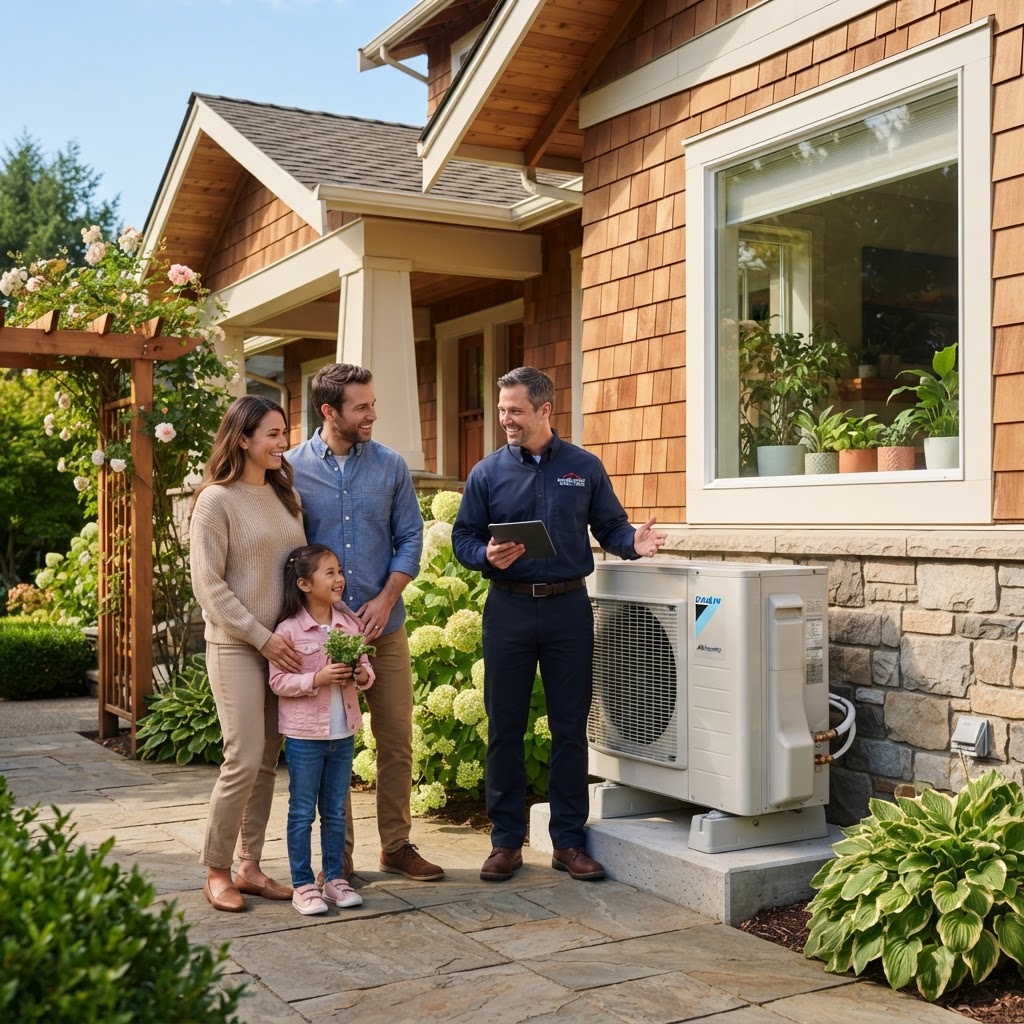
If you are looking to upgrade your home’s comfort while simultaneously lowering your monthly utility bills, you have likely encountered the buzz surrounding heat pumps. Once considered a niche technology, heat pumps have rapidly become the gold standard for modern, eco-conscious, and cost-effective home climate control. Unlike traditional furnaces that burn fuel to create heat, a heat pump acts more like a refrigerator in reverse, moving existing heat from one place to another. Whether you are tired of juggling separate heating and cooling systems or simply want to reduce your carbon footprint, understanding the benefits of this technology is the first step toward a more efficient home.
How Heat Pumps Work: The Basics of Efficiency
At their core, heat pumps are masters of energy transfer rather than energy generation. By using electricity to move heat from the outside air, ground, or water source into your home during the winter—and reversing the process to pull heat out during the summer—they achieve remarkable efficiency levels. According to the Department of Energy, this process is significantly more efficient than traditional combustion-based systems because it doesn't rely on burning fossil fuels to generate warmth.
Because they don't create heat from scratch, they can produce three or more units of heat for every single unit of electricity consumed. This efficiency is the primary driver behind the growing popularity of heat pumps among homeowners looking to optimize their essential home maintenance and long-term utility costs.
Key Benefits of Installing a Heat Pump
The transition to a heat pump system offers several distinct advantages that go beyond simple temperature control:
- Year-Round Versatility: One of the most significant benefits is the ability to handle both heating and cooling in a single unit. This eliminates the need for separate furnace and air conditioning maintenance.
- Lower Operating Costs: By utilizing ambient heat, you can see a noticeable reduction in your monthly power bills compared to older, less efficient electric or gas systems.
- Environmental Impact: Heat pumps can trim household carbon dioxide emissions by approximately 40% compared to traditional gas furnaces, making them a top choice for eco-conscious living.
- Quiet Operation: Modern heat pumps are designed to run much more quietly than traditional HVAC systems, providing a peaceful indoor environment.
Choosing the Right System: Air-Source vs. Geothermal
Not all heat pumps are created equal. Understanding the difference between the two main types is crucial for your home:
- Air-Source Heat Pumps: These are the most common and affordable option. They are relatively easy to install and are highly effective in mild to moderate climates. Mini-split systems, a popular subset of air-source pumps, offer excellent flexibility for homes without existing ductwork.
- Geothermal (Ground-Source) Heat Pumps: While these require a higher upfront investment due to the excavation involved, they offer the highest efficiency levels. By tapping into the constant temperature of the earth, they provide consistent performance regardless of how cold the air temperature drops outside.
Before committing to a specific model, it is vital to ensure the system is properly sized for your square footage. An oversized or undersized unit will struggle to maintain efficiency, which is why we always recommend using FIND-A-PRO to connect with verified local contractors who can perform a proper load calculation.
Frequently Asked Questions (FAQ)
Q: Are heat pumps effective in very cold climates?
A: Yes, modern cold-climate heat pumps are designed to operate efficiently even when temperatures drop well below freezing. However, it is important to consult with a professional to ensure your specific model is rated for your local climate zone.
Q: How long do heat pumps typically last?
A: With proper maintenance, such as regular filter changes and annual professional inspections, a high-quality heat pump can last about 15 years, which is comparable to the lifespan of a traditional furnace or central air conditioner.
Q: Can I get financial incentives for installing a heat pump?
A: Many regions offer federal, state, or local tax credits and rebates for energy-efficient home upgrades. Always check with your local utility provider or a qualified contractor to see what incentives are currently available in your area.
Key Takeaways
Investing in a heat pump is a smart move for any homeowner looking to balance comfort, cost-savings, and environmental responsibility. While the technology is highly efficient, the success of your installation depends heavily on choosing the right equipment and having it installed by a skilled technician. Don't leave your home's comfort to chance; use FIND-A-PRO to connect with verified, experienced HVAC professionals in your area who can guide you through the selection and installation process, ensuring your home stays comfortable for years to come.
