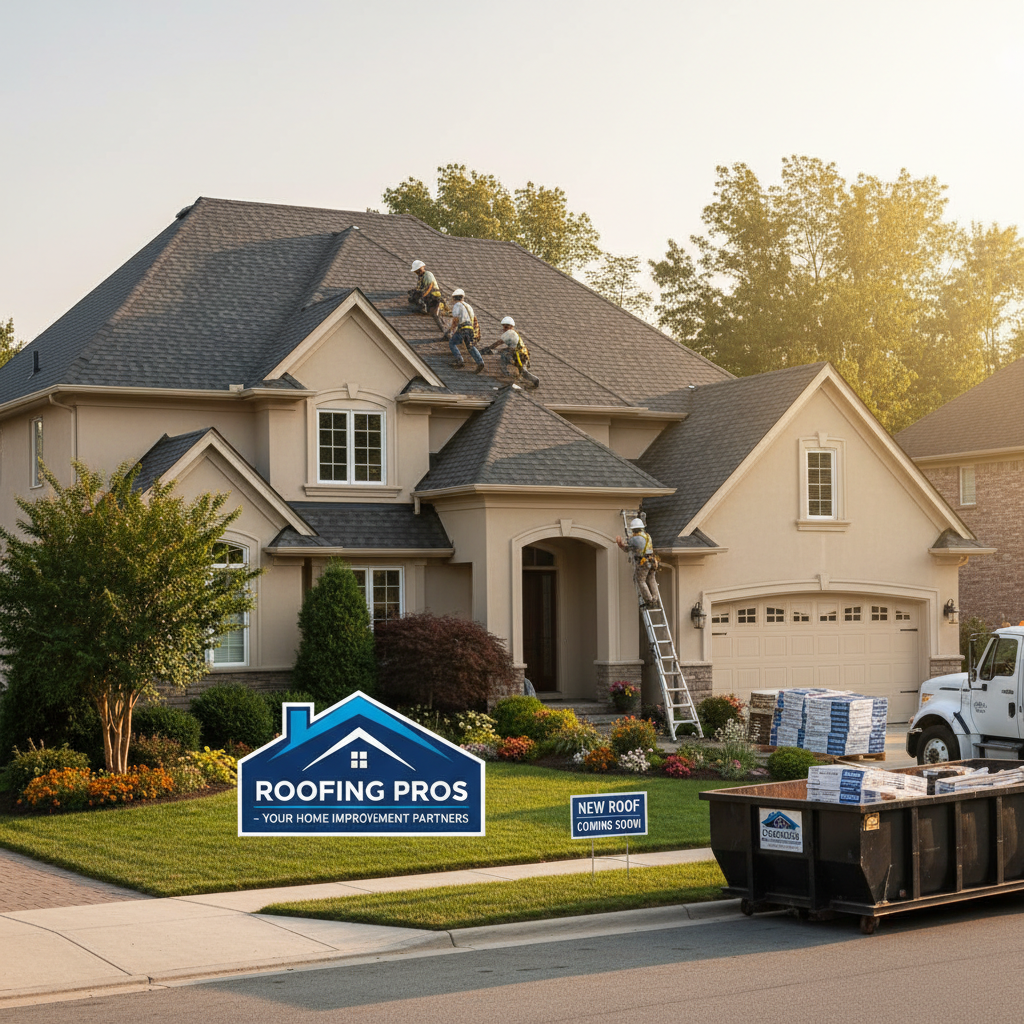
Your home is likely your most significant investment, and the roof is its first line of defense against the elements. Yet, for many homeowners, the roof is a classic case of 'out of sight, out of mind'—until a ceiling stain appears after a heavy summer storm. Identifying the early roof replacement signs can mean the difference between a planned, budget-friendly project and a midnight emergency that causes thousands of dollars in interior damage. In this comprehensive guide, we will walk you through the subtle and not-so-subtle indicators that your roof is nearing the end of its functional life. Whether you are dealing with aging shingles, mysterious attic moisture, or rising energy bills, understanding these warning signs will empower you to make the right decision for your home's longevity. At FIND-A-PRO, we believe that an informed homeowner is a protected homeowner, and we are here to help you navigate the complexities of home maintenance with confidence.
Understanding the Lifespan of Your Roofing Materials
Before diving into physical damage, it is essential to understand the chronological age of your roof. Every roofing material has a projected expiration date. Standard three-tab asphalt shingles typically last 15 to 20 years, while higher-quality architectural shingles may stretch to 25 or 30 years. If your roof was installed over an existing layer of old shingles (a practice known as a 'recover'), its lifespan is significantly shortened due to heat entrapment between the layers.
Alternative materials offer different timelines. Metal roofs can easily last 50 years, while slate and tile roofs are known to protect homes for a century or more. However, these timelines are not set in stone; local climate, ventilation quality, and the original installation's craftsmanship all play pivotal roles. If you live in a neighborhood where most of your neighbors are currently getting their roofs replaced, and the homes were built around the same time, take that as a strong contextual clue that your time is coming soon. For more context on tracking your home's systems, refer to our essential home maintenance guide.
- Asphalt Shingles: 15-30 years
- Wood Shakes: 25-30 years
- Metal Roofing: 40-70 years
- Clay/Concrete Tile: 50-100 years
Interior Warning Signs: The Attic Inspection
You do not always need a ladder to find roof replacement signs; sometimes, the most telling evidence is inside your home. During or immediately after a heavy rain, grab a flashlight and head into your attic. Look specifically for 'light at the end of the tunnel.' if you see beams of sunlight peaking through the roof boards, water is certainly getting in as well. Even if you don't see active drips, look for dark streaks or staining on the rafters and the underside of the roof deck.
Another common sign is sagging decking. If the ceiling of your attic appears to be dipping or curving between the rafters, it suggests that long-term moisture has compromised the structural integrity of the wood. Furthermore, check your insulation. Damp or matted insulation is a red flag for a slow leak that may not have reached your drywall yet but is already promoting mold growth. Mold or mildew in the attic not only signals a roof leak but also poor ventilation, which can bake shingles from the inside out, drastically shortening their life.
Exterior Red Flags: Curling, Buckling, and Missing Shingles
When you look at your roof from the ground, the shingles should lay flat and uniform. If you notice shingles that are curling up at the edges (known as cupping) or shingles that have a middle section that is starting to pop up (known as buckling), the material is reaching the end of its life. This usually happens as the asphalt-based oil in the shingles dries out over time, leaving them brittle and susceptible to wind uplift.
Missing shingles are a more obvious sign of distress. While a single shingle lost during a high-wind event might be a simple repair, multiple missing patches suggest that the sealant strips on the shingles have failed across the entire roof. Once the adhesive fails, the roof is vulnerable to 'zippering,' where wind peels back entire sections. Actionable Tip: Use binoculars to inspect your roof from the safety of the ground. Look for 'bald spots' where the dark, gritty surface of the shingle has worn away completely, leaving the fiberglass mat exposed to the sun's UV rays.
The Gutter Clue: Excessive Granule Loss
Have you noticed what looks like coarse black sand in your gutters or at the bottom of your downspouts? Those are granules, the crushed stone coating that protects asphalt shingles from the sun and provides fire resistance. It is normal for a new roof to shed a few granules right after installation, but an older roof shedding granules in large quantities is a major indicator of decay.
Without that protective layer, shingles become brittle very quickly. If you see 'bald' shingles or if your gutters are halfway full of sediment, the shingles are no longer able to protect your home effectively. This is often the stage where the roof transitions from 'functional' to 'failing.' Checking your gutters twice a year is not just about clearing leaves; it is a vital diagnostic tool for your roof's health.
Sagging Rooflines and Structural Integrity
A sagging roofline is perhaps the most serious sign that a replacement is non-negotiable. While a few curled shingles are a surface issue, a sag indicates a structural problem. This could be caused by rotting roof sheathing, collapsed rafters, or a foundation that has shifted. Regardless of the cause, a sagging roof is a safety hazard that requires immediate attention from a professional.
If you notice a 'wave' or a dip in the ridge of the roof, do not wait. This level of damage often stems from long-term water infiltration that has softened the wood deck beneath the shingles. Ignoring this can lead to a partial roof collapse under the weight of snow or during a heavy storm. When you encounter structural issues, it is critical to find a verified expert. You can use FIND-A-PRO to connect with licensed roofing contractors who specialize in structural repairs and full replacements.
Energy Efficiency and Rising Utility Bills
Sometimes the signs of a failing roof are found in your bank statement. If your heating and cooling costs have spiked unexpectedly, your roof might be the culprit. An old roof with poor ventilation or compromised shingles allows conditioned air to escape and outside air to seep in. According to Energy Star, reflective roofing materials can reduce peak cooling demand by 10-15%, but an aging, heat-absorbing roof does the exact opposite.
In the winter, a failing roof often leads to ice dams. These occur when heat escapes into the attic, melts the snow on the roof, and the water refreezes at the colder eaves. This cycle forces water back up under the shingles and into your walls. If you see large icicles forming frequently on your gutters, it is a sign that your roof's insulation and ventilation system are failing, which often necessitates a full roof system overhaul.
Repair vs. Replacement: Making the Call
How do you know when to stop patching and start replacing? A general rule of thumb is the '20% Rule.' If the cost of repairs exceeds 20% of the cost of a full replacement, or if more than 20% of the roof surface is damaged, a full replacement is usually the more cost-effective long-term solution. Additionally, consider the age. Patching a 22-year-old roof is often a waste of money, as the surrounding shingles are likely too brittle to hold a repair.
When you decide to move forward, the process can feel overwhelming. Choosing the right materials and the right contractor is key to ensuring your new roof lasts another 30 years. For a deeper dive into vetting your options, check out our guide on how to hire a service professional. Remember, a cheap roof installed poorly will cost you far more than a quality roof installed correctly the first time.
Frequently Asked Questions About Roof Replacement
Q: Can I just install a new roof over my old one to save money?
A: While most building codes allow for two layers of shingles, it is generally not recommended. A second layer adds immense weight to your home's structure and traps heat, which can cause the new shingles to fail prematurely. Furthermore, you cannot inspect the wood decking for rot if you don't remove the old layer.
Q: How long does a typical roof replacement take?
A: For an average-sized residential home, a professional crew can usually complete a roof replacement in 1 to 3 days, depending on the complexity and weather conditions. Larger or more intricate roofs may take up to a week.
Q: Will my homeowners insurance cover a roof replacement?
A: Insurance typically covers roof replacement if the damage is caused by a sudden, accidental event like a hail storm or a fallen tree. However, insurance rarely covers replacement due to general wear and tear or neglect. Regular maintenance and documenting the roof's condition are vital for successful claims.
Key Takeaways
Identifying roof replacement signs early is the best way to protect your home's value and your family's safety. From checking for granules in your gutters to spotting daylight in your attic, these indicators provide a roadmap for your home maintenance journey. Don't wait for a major leak to take action; be proactive and monitor your roof's health seasonally. When the time comes to transition from inspection to action, <strong>FIND-A-PRO</strong> is your go-to resource for finding highly-rated, local roofing professionals who can provide a fair estimate and quality craftsmanship. A new roof is more than just a home improvement project—it is peace of mind that starts from the top down.
