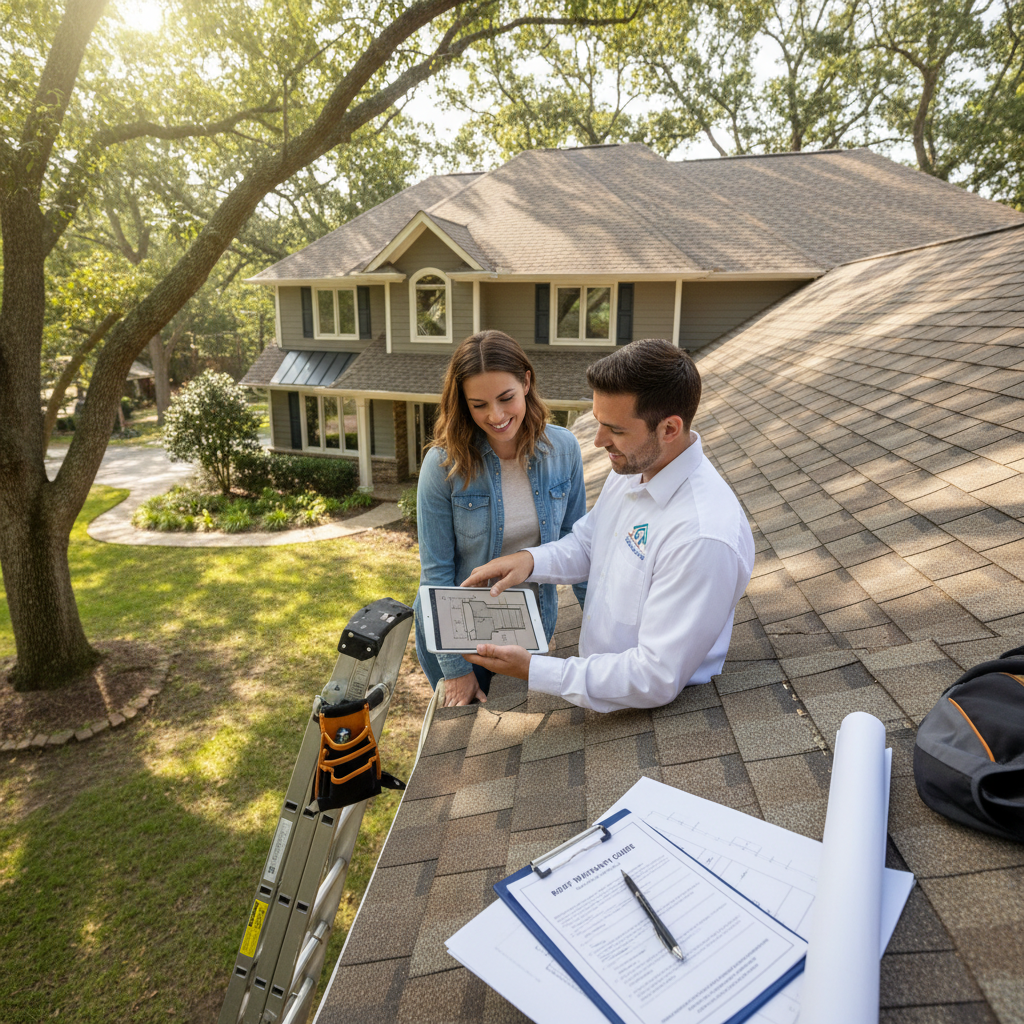
A new roof is one of the most significant investments you will ever make as a homeowner. It is the first line of defense against the elements, shielding your family and your belongings from rain, wind, and heat. However, the true value of that investment isn't just in the shingles or the flashing; it is in the protection that stands behind them if something goes wrong. Understanding a roof warranty can feel like learning a second language, filled with legal jargon, prorated periods, and fine-print exclusions. This comprehensive guide is designed to strip away the confusion and provide you with actionable knowledge. We will break down exactly what you are paying for, what is truly covered, and how to ensure your warranty remains valid for decades to come.
The Three Pillars of Roof Warranties
When you sign a contract for a new roof, you aren't just getting one warranty; you are typically dealing with three distinct layers of protection. Understanding the difference between these is the first step in being a savvy homeowner.
- Manufacturer (Material) Warranty: This covers the products themselves. If your shingles fail prematurely because they were manufactured incorrectly, this warranty kicks in. Most standard manufacturer warranties cover the shingles for 25 to 50 years, often marketed as 'Lifetime.'
- Workmanship (Contractor) Warranty: This is arguably the most important layer. It covers errors made during the installation process. If a leak occurs because a contractor installed the flashing improperly, the manufacturer will not pay for it—the contractor must. These typically range from 2 to 10 years, though premium contractors may offer lifetime workmanship coverage.
- Extended Full-System Warranties: These are comprehensive packages offered by major manufacturers but only available if you use a certified contractor and install a complete suite of their products (underlayment, ice and water shield, shingles, and ventilation). These often include coverage for both materials and labor for an extended period.
Before you commit to a project, it is vital to research the credentials of your installer. To ensure you are working with a reputable professional who can provide these high-level protections, you can use FIND-A-PRO to connect with verified, local roofing experts who have a proven track record of excellence.
Manufacturer Warranties: Decoding the 'Lifetime' Label
In the roofing industry, the word 'Lifetime' rarely means forever. Most manufacturers define 'Lifetime' as the period for which the original individual homeowner owns the property. If you sell the home, that warranty may shorten or expire unless it is officially transferred. It is also important to understand the concept of proration.
During the first 10 to 15 years (the 'non-prorated' period), the manufacturer will usually cover the cost of replacement materials and, in some cases, the labor to install them at 100%. After this period, the value of the warranty decreases every year. By year 25, the warranty might only cover a small fraction of the cost. According to the FTC's guide on consumer warranties, companies must make the terms of their warranties clear, so always ask for the 'spec sheet' of the specific shingle being installed.
Pro-Tip: Always look for 'blow-off' coverage limits. Even if a shingle has a 50-year warranty, it might only be rated for wind speeds up to 110 mph. If a storm hits 120 mph, your warranty might not apply, and you will need to look to your homeowner's insurance instead.
Workmanship Warranties: Why the Installer Matters Most
Statistical data from the roofing industry suggests that the vast majority of roof failures are caused by installation errors, not manufacturing defects. This makes the workmanship warranty your most critical asset. A standard manufacturer warranty does not cover leaks caused by poor nailing, improper valley installation, or faulty flashing around chimneys.
When reviewing a workmanship warranty, look for the following:
- Duration: Is it at least 5 to 10 years? Anything less may indicate a contractor who isn't confident in their long-term results.
- Exclusions: Does it cover minor leaks or only 'major structural failure'? You want coverage for any water intrusion caused by their work.
- Company Stability: A 25-year workmanship warranty is worthless if the company goes out of business in three years. This is why using a platform like FIND-A-PRO is so beneficial; it helps you find established businesses with verified histories.
Before you hire someone, check out our guide on how to hire a service professional to ensure you're asking the right questions regarding their liability insurance and local licensing.
Common Pitfalls: What Voids a Roof Warranty?
Homeowners are often surprised to find that seemingly minor actions can completely void their roof warranty. To protect your investment, avoid these common mistakes:
- Inadequate Attic Ventilation: This is the number one reason manufacturer warranties are denied. If your attic is too hot, it 'bakes' the shingles from the inside out, causing premature failure. Ensure your contractor follows the Energy Star guidelines for roof ventilation.
- Layering Shingles: Installing a new roof over an old one (a 'recover') might save money upfront, but many manufacturers will reduce or void the warranty because the new shingles cannot lay flat or cool properly.
- Pressure Washing: High-pressure water can strip the protective granules off shingles, leading to rapid decay. Most warranties specifically forbid pressure washing.
- Improper Solar Panel Installation: If a solar company drills holes into your new roof without using proper flashing or coordinating with your roofer, your workmanship warranty is likely gone.
Maintaining your roof is part of a larger home care strategy. Check our essential home maintenance guide to see how gutter cleaning and tree trimming also play a role in roof longevity.
The Fine Print: Registration and Transferability
A warranty isn't automatic just because you paid the bill. Many homeowners lose their coverage because they fail to follow the administrative steps required by the manufacturer.
Registration: Most extended warranties must be registered with the manufacturer within 30 to 60 days of installation. Ensure your contractor provides you with the registration confirmation. If they say 'don't worry about it,' take the initiative to register it yourself online with your contract and material invoices as proof.
Transferability: If you plan to sell your home, a transferable roof warranty is a massive selling point. However, most transfers require a fee (usually around $100-$200) and must be completed within 30 days of the home sale. If you miss this window, the warranty usually reverts to a basic, non-transferable version or expires entirely.
Roof Warranty vs. Homeowners Insurance: Which is Which?
This is a point of frequent confusion. To put it simply: Warranties cover 'Whoops' and Insurance covers 'Acts of God.'
- Use your Warranty if: Your shingles are curling, the color is fading unevenly, or a leak develops during a normal rainstorm because a piece of metal was installed backwards.
- Use your Insurance if: A tree falls on your house, a hailstorm bruises the shingles, or a hurricane rips half the roof off.
Featured Snippet Q&A: Does a roof warranty cover storm damage? No, standard roof warranties do not cover damage caused by weather events like hail, high winds exceeding the rated limit, or falling debris. These events fall under the 'perils' section of your homeowners insurance policy.
Frequently Asked Questions (FAQ)
Q: Is a roof warranty worth the extra cost?
A: Generally, yes. Upgrading to an extended full-system warranty (which might add 5-10% to the project cost) often pays for itself if a single leak occurs 15 years down the road, as it covers both materials and expensive labor costs.
Q: What is the difference between prorated and non-prorated?
A: A non-prorated warranty covers the full cost of repair or replacement regardless of the roof's age (within the specified window). A prorated warranty loses value as the roof gets older, meaning the manufacturer pays less and you pay more as time goes on.
Q: Can I repair my own roof without voiding the warranty?
A: It is risky. Most warranties require that repairs be performed by a licensed professional. DIY repairs, especially using unapproved materials like 'roof tar' on shingles, can lead to a denied claim in the future.
Key Takeaways
Navigating the world of roof warranties requires diligence, but the peace of mind it provides is invaluable. By selecting high-quality materials, ensuring proper attic ventilation, and—most importantly—hiring a qualified contractor, you can protect your home for decades. Remember that the best warranty is the one you never have to use, which starts with a flawless installation. When you are ready to start your roofing project, let FIND-A-PRO help you find the most reliable, vetted professionals in your area. Don't leave your home's safety to chance; choose a pro who stands behind their work and provides the solid warranty coverage you deserve.
