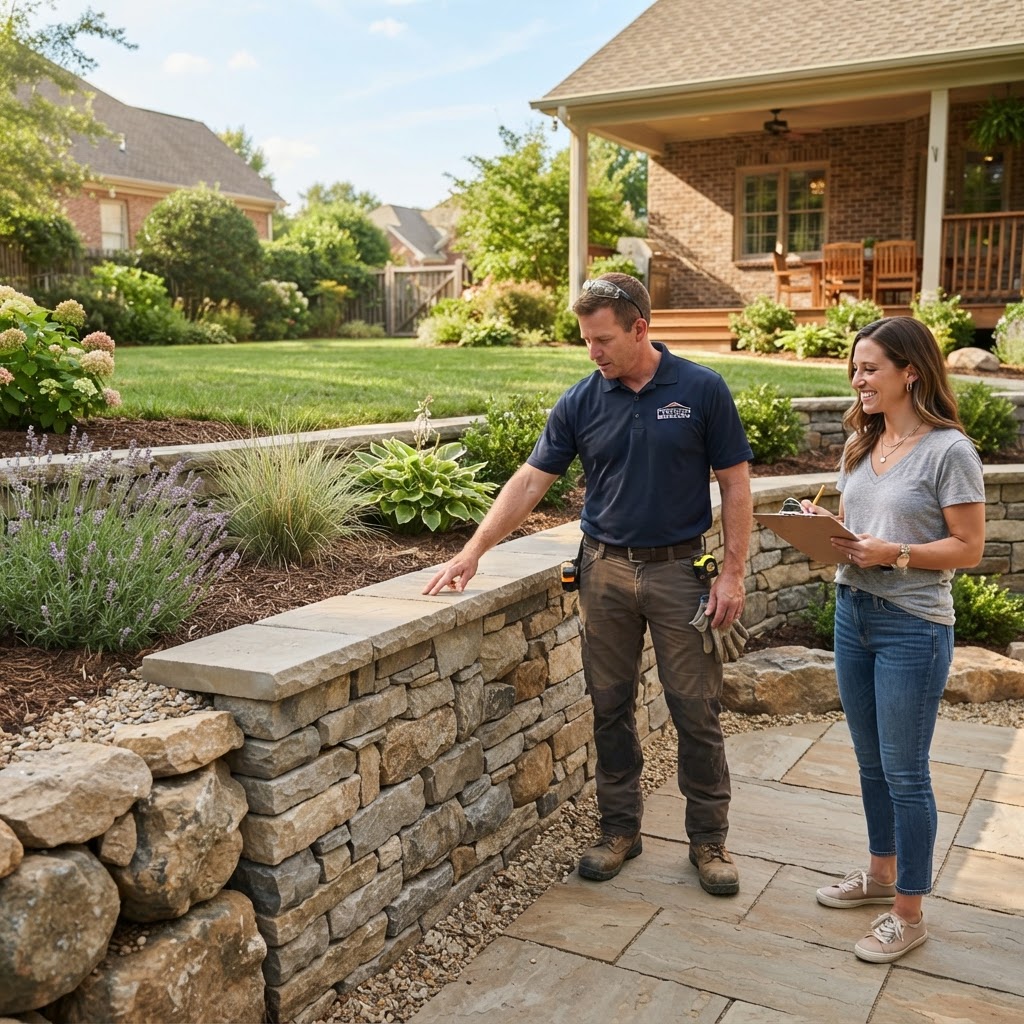
A well-constructed retaining wall is more than just a functional barrier; it is a transformative landscape feature that can turn a steep, unusable slope into a tiered garden oasis. However, building a wall that stands the test of time requires more than just stacking stones or blocks. Whether you are looking to prevent soil erosion or create flat space for a patio, understanding the engineering, material choices, and critical drainage requirements is essential. In this guide, we will walk you through everything you need to know to ensure your project is a success, and if you need expert help, FIND-A-PRO is your go-to resource for connecting with verified local professionals who specialize in high-quality hardscaping.
Why Retaining Walls Fail: The Hidden Dangers
The most common reason for retaining wall failure is not poor material quality, but poor drainage. When water accumulates behind a wall, it creates hydrostatic pressure—a powerful force that can push, crack, or topple even the most expensive structures. According to industry design principles, failing to account for water movement is the fastest way to see your investment crumble within a few seasons.
Key factors that lead to failure include:
- Lack of Weep Holes: Without these, water has nowhere to escape, leading to pressure buildup.
- Poor Soil Compaction: If the base isn't solid, the wall will shift as the ground settles.
- Ignoring Frost Lines: In colder climates, failing to place footings below the frost line causes the wall to heave during freeze-thaw cycles.
- Inadequate Backfill: Using native soil instead of free-draining gravel prevents water from reaching the drainage pipe.
Choosing the Right Materials for Your Project
Selecting the right material is a balance between aesthetics, budget, and structural requirements. As noted in this retaining wall materials comparison, each option serves a different purpose:
- Concrete Blocks: Highly versatile and perfect for DIYers or large-scale projects. They offer a clean, uniform look and are engineered for strength.
- Natural Stone: Offers timeless elegance and unmatched durability. While more expensive and labor-intensive, it provides a high-end finish that lasts for generations.
- Gabion Walls: These wire cages filled with stone are excellent for drainage and offer a modern, industrial aesthetic. They are particularly useful in areas with high water flow.
- Poured Concrete: The gold standard for heavy-duty, tall walls. It requires professional engineering but provides the highest level of structural integrity.
Before you start, consider the height of your wall. Walls over four feet often require specific permits and professional engineering to ensure they meet local safety codes. If you are unsure about your local requirements, check out our guide on how to hire a service professional to ensure you have the right expertise on your team.
The Anatomy of a Successful Build
A durable wall is built from the ground up, starting with a solid foundation. Even the best materials will fail if the base is unstable. According to expert drainage advice, the foundation should consist of a compacted base of crushed stone or gravel. This provides a stable, level surface that allows for minor water movement.
Essential components of a long-lasting wall:
- Base Course: The first layer of blocks or stone, which must be perfectly level and partially buried.
- Drainage Pipe: A perforated pipe placed at the base behind the wall to collect and redirect water away from the structure.
- Filter Fabric: Used to separate the drainage gravel from the surrounding soil, preventing fine particles from clogging your drainage system.
- Backfill: Clean, angular aggregate (crushed stone) placed directly behind the wall to facilitate drainage.
Frequently Asked Questions
Q: Do I need a permit for my retaining wall?
A: Generally, walls under 3 to 4 feet do not require a permit, but this varies by municipality. Always check with your local building department before starting, especially if your wall is near a property line or supports a slope.
Q: Can I build a retaining wall on a steep slope?
A: Yes, but it requires careful planning. You may need to use a terracing approach—building multiple shorter walls instead of one tall one—to reduce the pressure on each individual structure.
Q: How long should a retaining wall last?
A: With proper drainage and construction, concrete and stone walls can last 50 to 100 years. Wood walls, even when pressure-treated, typically have a shorter lifespan of 7 to 15 years due to rot and moisture exposure.
For more information on safety and construction standards, you can refer to the OSHA construction safety guidelines to ensure your project site remains secure.
Key Takeaways
Building a retaining wall is a significant project that adds both value and beauty to your home, but it is not a task to be taken lightly. By prioritizing proper drainage, selecting the right materials for your specific soil conditions, and ensuring a solid foundation, you can create a structure that stands for decades. If you find yourself overwhelmed by the engineering requirements or the physical labor involved, remember that you don't have to do it alone. Use FIND-A-PRO to connect with verified local professionals who can handle the heavy lifting and ensure your project is built to last. Start your search today and turn your landscape vision into a reality.
