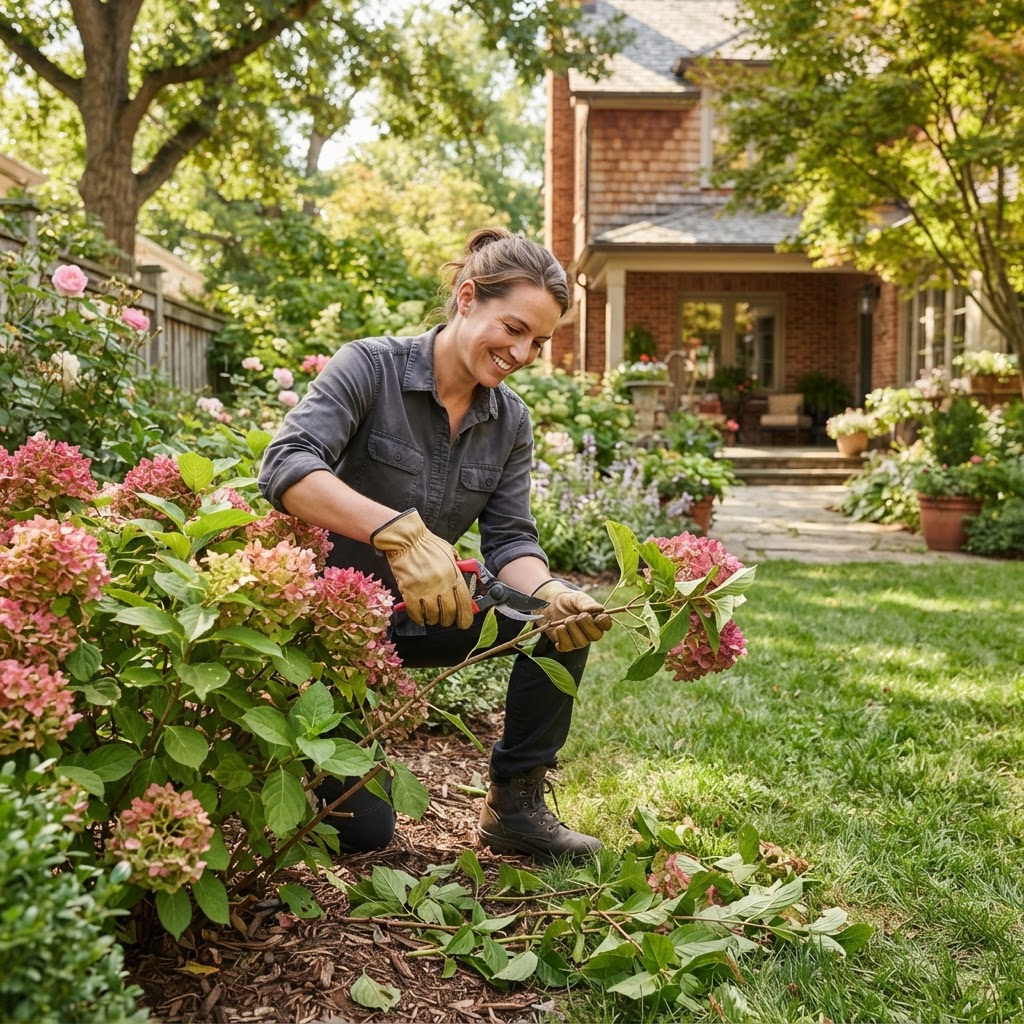
A well-maintained landscape is the pride of any homeowner, but keeping your trees and shrubs in peak condition requires more than just a pair of shears and a sunny afternoon. Pruning and trimming are essential practices that go beyond aesthetics; they are vital for the long-term health, structural integrity, and vitality of your plants. Whether you are looking to encourage a bountiful bloom or simply want to keep your property looking sharp, understanding the 'why,' 'when,' and 'how' of pruning is a skill that pays dividends for years to come. In this guide, we will walk you through the professional techniques used to keep your greenery flourishing, and if you ever feel overwhelmed by the scale of the job, remember that FIND-A-PRO is your go-to resource for connecting with verified local professionals who can handle the heavy lifting for you.
Why Pruning and Trimming Matter
Many homeowners view pruning as a purely cosmetic task, but it is actually a form of preventative medicine for your garden. Proper pruning helps remove dead, diseased, or damaged wood that could otherwise become a breeding ground for pests and fungal infections. By thinning out dense canopies, you improve air circulation and light penetration, which are critical for preventing disease and promoting vigorous growth.
Furthermore, structural pruning in the early stages of a plant's life ensures that your trees and shrubs develop a strong framework. This reduces the risk of branch failure during storms and helps maintain the desired shape of your landscape. For more tips on keeping your home exterior in top shape, check out our essential home maintenance guide.
The Golden Rule: When to Prune
Timing is everything in the world of horticulture. Pruning at the wrong time can stress a plant, inhibit flowering, or leave it vulnerable to winter damage. As a general rule, never prune in the fall. During this time, plants are preparing for dormancy, and pruning can stimulate new growth that will be killed by the first frost.
- Late Winter/Early Spring: This is the ideal time for most deciduous trees and shrubs while they are still dormant. It allows the plant to heal quickly once the growing season begins.
- After Flowering: For spring-blooming shrubs like azaleas or lilacs, wait until immediately after they finish flowering to prune. If you prune them in winter, you will accidentally remove the buds for the upcoming season.
- Emergency Pruning: If a branch is broken, diseased, or poses a safety hazard, remove it immediately, regardless of the season. Safety always takes precedence over the standard pruning calendar.
Essential Tools for the Job
Using the right tool for the right branch is the secret to clean cuts that heal quickly. Using dull or improper tools can crush plant tissue, leading to disease. According to the Environmental Protection Agency (EPA), maintaining a healthy landscape is part of responsible property management. Here is your basic toolkit:
- Bypass Pruners: Perfect for small stems and branches up to 3/4 inch thick.
- Loppers: These long-handled tools provide the leverage needed for branches up to 1.5 inches in diameter.
- Hedge Shears: Best for shaping formal hedges and boxwoods.
- Pruning Saw: Essential for larger branches that are too thick for loppers.
Techniques for Success: Cleaning, Thinning, and Shaping
When you approach a tree or shrub, start by identifying the 'three Ds': Dead, Damaged, and Diseased. Removing these is your first priority. Once the plant is cleaned up, you can focus on thinning and shaping.
Thinning involves removing entire branches back to the main trunk or a larger lateral branch. This opens up the plant and allows light to reach the interior. Shaping is more about controlling the size and form. Always make your cuts just outside the 'branch collar'—the swollen area where the branch meets the trunk. Cutting too close can damage the tree's ability to seal the wound, while leaving a 'stub' can lead to decay.
Frequently Asked Questions
Q: Do all shrubs need to be pruned every year?
A: No. Many shrubs have a natural, appealing habit and do not require regular pruning. Only prune when necessary to remove dead wood or to keep the plant within its designated space.
Q: Can I use a hedge trimmer on all my plants?
A: Hedge trimmers are great for formal hedges, but they can be damaging to flowering shrubs if used indiscriminately. For most flowering plants, hand-pruning is preferred to maintain their natural shape and health.
Q: When should I call a professional?
A: If you are dealing with large trees, branches near power lines, or complex structural issues, it is time to call in an expert. If you aren't sure where to start, FIND-A-PRO can help you find a certified arborist or landscaping professional in your area to ensure the job is done safely and correctly.
Key Takeaways
Pruning and trimming are rewarding tasks that connect you more deeply with your garden. By following these guidelines, you can ensure your trees and shrubs remain healthy, safe, and beautiful for years to come. Remember that patience and proper technique are your best allies. If you find yourself facing a project that is too large or complex, don't hesitate to reach out to the experts. You can always use FIND-A-PRO to connect with verified local professionals who have the experience and equipment to handle your landscaping needs with precision and care.
