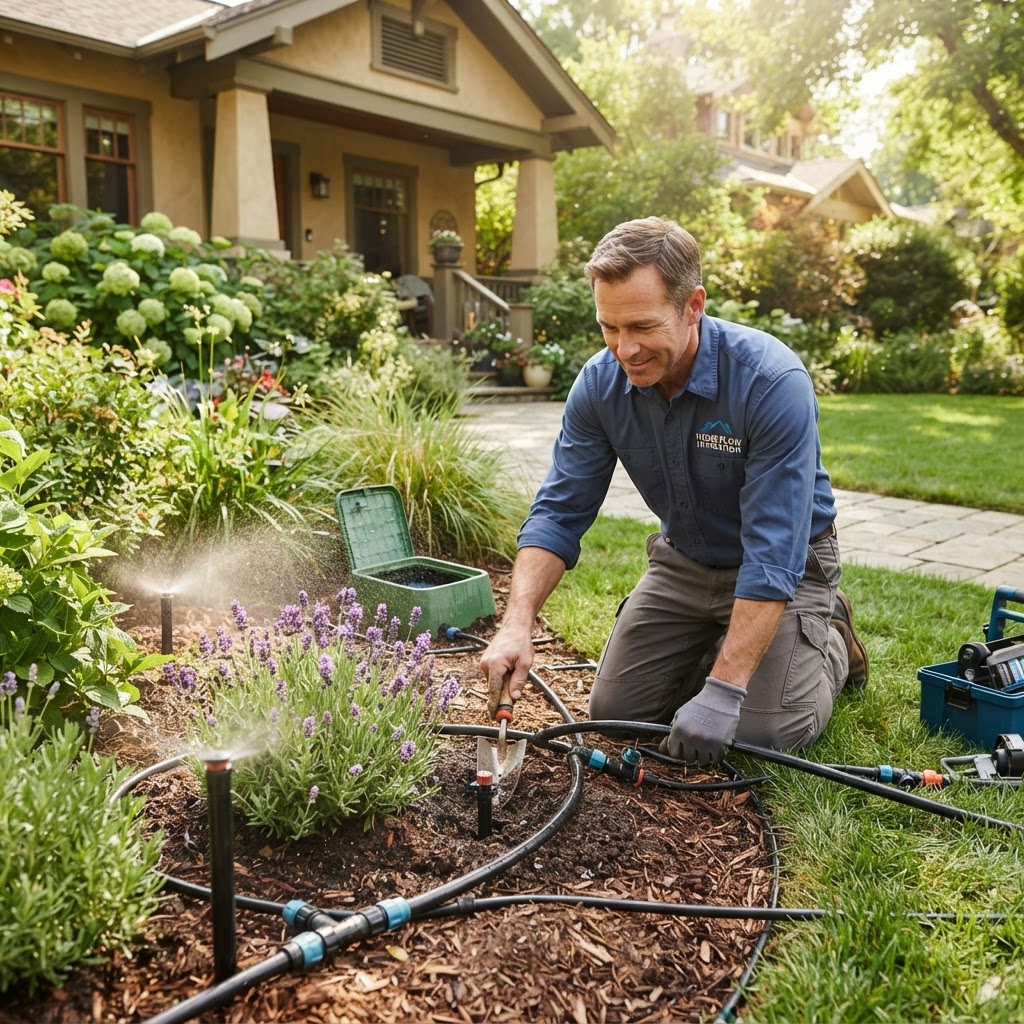
A vibrant, healthy landscape is the pride of any homeowner, but keeping it that way requires more than just a green thumb—it requires a reliable, efficient water source. Whether you are battling dry summer heat or simply want to reduce your utility bills, understanding how to manage your outdoor water use is essential. In this comprehensive irrigation system guide, we will walk you through the fundamentals of choosing, installing, and maintaining a system that keeps your garden thriving while conserving our most precious resource.
Understanding Your Irrigation Options: Sprinklers vs. Drip
Before you break ground, you need to decide which system fits your landscape. The two primary choices are sprinkler systems and drip irrigation.
- Sprinkler Systems: These are ideal for large, open lawn areas. They mimic rainfall and are highly effective for turfgrass. However, they can be prone to evaporation and wind drift if not calibrated correctly.
- Drip Irrigation: This is the gold standard for garden beds, shrubs, and trees. By delivering water directly to the root zone, drip systems minimize evaporation and runoff, often achieving 80-90% efficiency according to industry standards.
If you are unsure which system is right for your specific soil type or plant palette, it is often helpful to consult with a professional. You can use FIND-A-PRO to connect with verified local experts who can assess your property's unique needs.
The Importance of Professional Installation
While DIY drip kits are accessible for small garden projects, a full-scale residential irrigation system is a complex mechanical project. Improper installation is a leading cause of water waste, with the EPA estimating that up to 50% of outdoor water is lost due to poor design and maintenance.
A professional installer ensures that your system is zoned correctly. Zoning allows you to group plants with similar water needs together, preventing over-watering of drought-tolerant shrubs while ensuring your thirsty lawn gets enough hydration. When hiring, always request multiple bids, check for insurance, and ask for references to ensure your investment is protected.
Smart Technology and Water Conservation
Modern irrigation has moved far beyond simple mechanical timers. Today’s smart irrigation controllers use local weather data and soil moisture sensors to adjust watering schedules automatically. If it rains, your system stays off. If the soil is already saturated, it skips the cycle. This technology not only saves money on your monthly utility bills but also promotes deeper root growth by preventing the shallow, frequent watering that often leads to weak plants.
Integrating these sensors is one of the most effective ways to create a sustainable landscape. If you are looking to upgrade an existing system, FIND-A-PRO can help you find technicians who specialize in smart-home landscape integration.
Essential Maintenance for Long-Term Performance
An irrigation system is not a 'set it and forget it' installation. To keep your system running at peak performance, follow these maintenance steps:
- Seasonal Start-up: Check for leaks, clogged nozzles, and broken heads every spring.
- Pressure Testing: Use a pressure gauge to ensure your zones are operating within the manufacturer's recommended PSI.
- Winterization: In colder climates, blowing out your lines with compressed air is critical to prevent pipes from freezing and bursting.
- Regular Audits: Walk your property while the system is running to identify 'geysers' or dry spots that indicate a need for adjustment.
Frequently Asked Questions (FAQ)
Q: How much does a professional irrigation system cost?
A: Costs vary widely based on property size and complexity, typically ranging from $500 for small garden setups to $5,000+ for full-property automated systems.
Q: Can I install an irrigation system myself?
A: Small drip irrigation kits are very DIY-friendly. However, for large-scale sprinkler systems involving trenching and plumbing, professional installation is recommended to avoid costly leaks and coverage issues.
Q: How often should I run my irrigation system?
A: This depends on your local climate and plant types. Generally, it is better to water deeply and less frequently to encourage deep root growth rather than light, daily watering.
Key Takeaways
Investing in a high-quality irrigation system is one of the best ways to enhance your home's curb appeal while practicing responsible water stewardship. By choosing the right equipment, prioritizing professional installation, and staying on top of seasonal maintenance, you can enjoy a lush, healthy landscape for years to come. If you are ready to get started, remember that FIND-A-PRO is your go-to resource for connecting with verified, experienced landscaping professionals in your area who can turn your vision into a reality.
