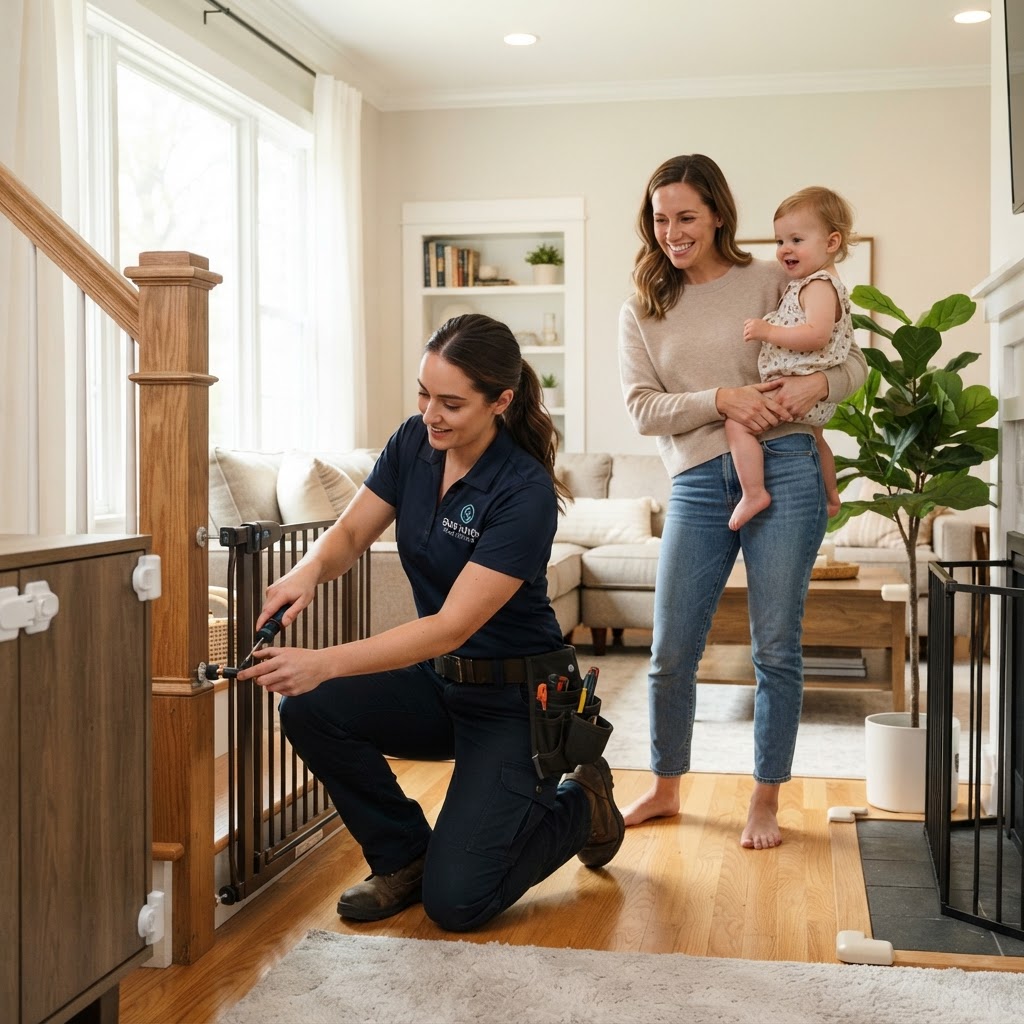
Bringing a new baby home or watching a toddler discover their independence is one of life’s greatest joys. However, it also marks the beginning of a high-stakes game of hide-and-seek with potential hazards. Every year, thousands of children suffer preventable injuries in their own homes, ranging from falls and burns to accidental ingestions. While it is impossible to watch your child every single second of the day, creating a secure environment is the most effective way to mitigate these risks. In this guide, we will walk you through a room-by-room strategy to transform your living space into a sanctuary, ensuring you have the peace of mind you deserve.
The Philosophy of Proactive Childproofing
Childproofing is not a one-time event; it is an evolving process that grows alongside your child. What works for a newborn will not suffice for a curious, mobile toddler. The first step is to get down on your hands and knees—literally. By viewing your home from a child's perspective, you will notice hazards that are invisible from an adult's height, such as dangling cords, sharp furniture corners, or small objects tucked under the sofa.
According to the U.S. Consumer Product Safety Commission, utilizing specific safety devices like latches, locks, and guards is essential for preventing access to dangerous household items. If you feel overwhelmed by the scope of the project, remember that you don't have to do it alone. You can find verified local professionals through FIND-A-PRO who specialize in home safety installations, ensuring that gates, anchors, and locks are installed to the highest safety standards.
Room-by-Room Safety Checklist
- Kitchen: This is often the most dangerous room in the house. Install childproof locks on all cabinets containing cleaning supplies, knives, or heavy appliances. Use stove knob covers and ensure pot handles are always turned toward the back of the stove.
- Bathroom: Water safety is paramount. Never leave a child unattended in the bath, even for a moment. Keep toilet lid locks engaged and store all medications and vitamins in a high, locked cabinet, not just a drawer.
- Living Areas: Secure heavy furniture like bookshelves and dressers to the wall using anti-tip straps. Cover all unused electrical outlets with tamper-resistant plates or plastic covers.
- Stairs and Windows: Install hardware-mounted safety gates at both the top and bottom of stairs. For windows, use window guards or stops to prevent them from opening more than four inches, which is critical for preventing falls.
Common Questions About Childproofing
Q: When should I start childproofing my home?
A: Ideally, you should begin the process before your baby starts crawling, typically around the 6-month mark. However, it is never too early to start securing heavy furniture and identifying potential hazards.
Q: Is it better to hire a professional or do it myself?
A: While many tasks like installing outlet covers are simple DIY projects, hiring a professional can be beneficial for complex installations like custom stair gates or anchoring heavy furniture. If you are unsure about your handiwork, it is always safer to consult a professional. You can learn more about the value of hiring experts in our guide on how to hire a service professional.
Q: What is the most overlooked safety hazard?
A: Furniture tip-overs and window blind cords are frequently overlooked. Always ensure that heavy items are anchored to wall studs and that all window cords are kept well out of reach of children.
Long-Term Maintenance and Vigilance
Childproofing is a dynamic task. As your child grows, their reach and curiosity will expand. Regularly inspect your safety devices to ensure they are still functioning correctly. Latches can wear out, and gates may become loose over time. Make it a habit to perform a 'safety sweep' of your home every few months. If you find that your home requires more significant modifications, such as electrical upgrades or custom carpentry to secure your space, FIND-A-PRO is your go-to resource for connecting with reliable, vetted contractors who can help you maintain a safe environment for your growing family.
Key Takeaways
Creating a safe home is one of the most important investments you can make in your child's future. By systematically addressing hazards, installing the right safety hardware, and staying vigilant as your child develops, you significantly reduce the risk of accidents. Remember, you don't have to navigate this process in isolation. Whether you need help with complex installations or just want a professional opinion on your home's safety, FIND-A-PRO is here to help you connect with the right experts to get the job done right. Start your journey toward a safer home today.
