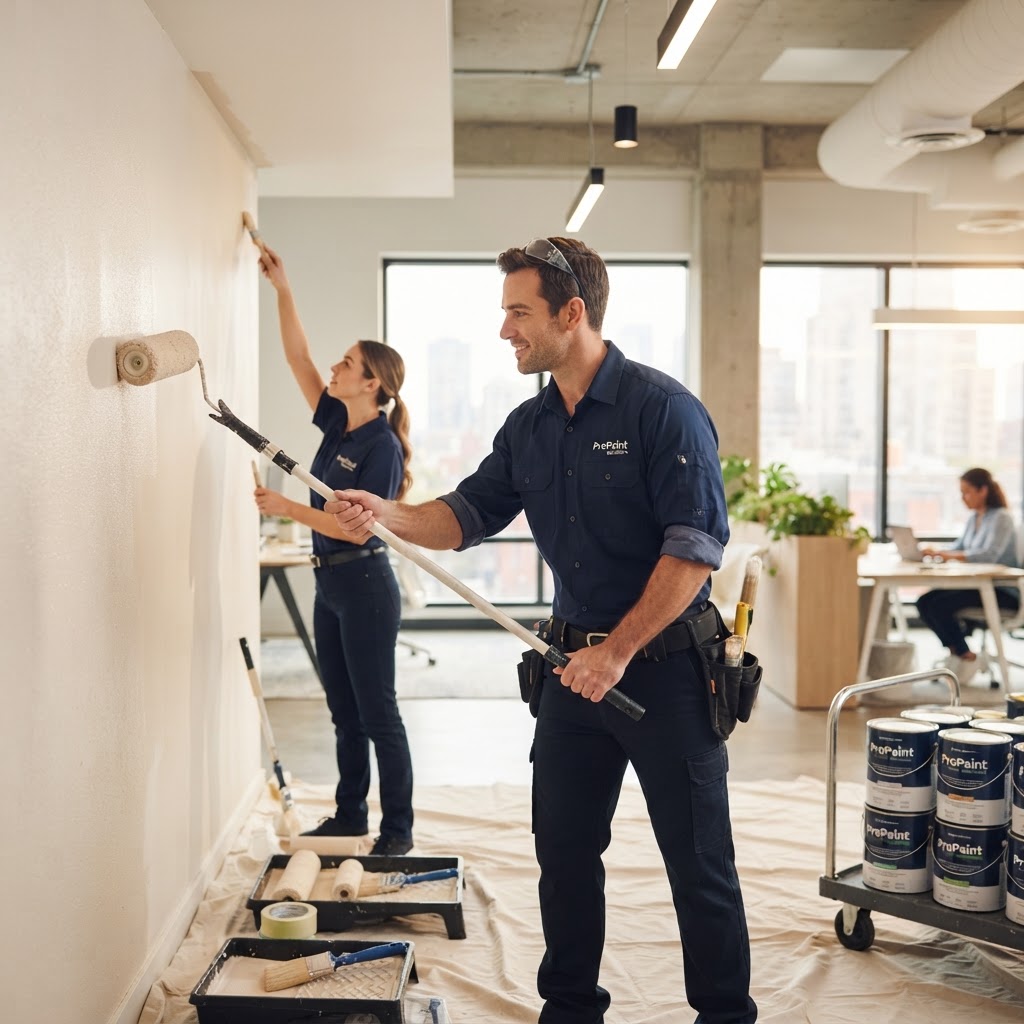
When it comes to maintaining a property, few things offer a better return on investment than a professional paint job. Whether you are a homeowner looking to upgrade a large-scale residential estate, a landlord managing multi-family units, or a business owner refreshing your storefront, understanding the nuances of commercial-grade painting is essential. It’s not just about picking a color; it’s about durability, specialized coatings, and a level of precision that goes far beyond a weekend DIY project. In this comprehensive guide, we’ll pull back the curtain on the commercial painting industry, sharing the insider secrets that professionals use to achieve flawless, long-lasting results that stand up to the elements and high-traffic wear and tear.
Residential vs. Commercial Painting: What’s the Real Difference?
Many property owners assume that painting is painting, regardless of the scale. However, there is a significant divide between residential and commercial-grade projects. While residential painting focuses on aesthetics and the comfort of a home, commercial painting is geared toward high-performance durability and efficiency. Commercial projects often involve much larger surface areas, specialized equipment like aerial lifts or industrial sprayers, and materials designed to withstand heavy foot traffic or harsh environmental conditions.
One of the primary differences lies in the scheduling and logistics. A residential painter might work a standard 9-to-5 shift, but a commercial crew often works after hours or during weekends to minimize disruption to a business or a busy household. Furthermore, the materials used in commercial applications—such as high-gloss epoxies or elastomeric coatings—require a higher level of technical expertise to apply correctly. If you're planning a project that requires this level of intensity, it's vital to hire a service professional who has specific experience in the commercial sector.
Choosing the Right Materials: Commercial-Grade Coatings
If you want your paint job to last ten years instead of three, you need to look beyond the standard cans of latex paint found at big-box retailers. Professionals often opt for high-performance coatings tailored to specific surfaces. For example, Epoxy coatings are the gold standard for high-traffic floors, providing a chemical-resistant and incredibly tough finish. Urethane Alkyds offer the easy application of oil-based paint with the low-VOC benefits of water-based options, making them perfect for trim and doors that take a beating.
- Scuff-Resistant Paints: Brands like Benjamin Moore and Sherwin-Williams offer specialized lines (like Scuff-X) designed for hallways and entryways where bags, furniture, and people constantly rub against the walls.
- Elastomeric Coatings: For masonry and stucco exteriors, these coatings are essential. They are significantly thicker than standard paint and can bridge small cracks, providing a waterproof barrier that moves with the building's settling.
- Low-VOC and Zero-VOC Options: Maintaining indoor air quality is a top priority. According to the Environmental Protection Agency (EPA), VOCs can have several adverse health effects. Professional commercial painters prioritize these eco-friendly options to ensure safety for occupants.
The 80/20 Rule: Why Preparation is Everything
Ask any seasoned pro, and they will tell you that a successful paint job is 80% preparation and 20% application. If you skip the prep, even the most expensive paint in the world will peel within a year. For a commercial-scale project, prep work involves more than just a little sanding. It often starts with a high-pressure power wash to remove atmospheric contaminants, salts, and loose debris.
Next comes the surface repair. This includes caulking joints to prevent moisture intrusion, patching masonry cracks, and ensuring that all surfaces are chemically neutral and dry. Professionals use moisture meters to check the substrate before a single drop of paint is applied. This level of detail is a core part of an essential home maintenance guide strategy, as it prevents costly structural rot down the road. When searching for a contractor on FIND-A-PRO, always ask about their specific preparation process to ensure they aren't cutting corners.
Understanding the Commercial Painting Process
When you hire a commercial team, the workflow is highly structured to ensure the project stays on budget and on time. Here is what a typical professional timeline looks like:
- Site Evaluation & Testing: The team assesses the current condition of the walls, identifies lead paint if the building is pre-1978, and performs adhesion tests.
- Protection & Staging: Everything that isn't being painted is covered in heavy-duty plastic or drop cloths. High-reach equipment like scaffolding or boom lifts are moved into place.
- Mechanical Prep: Scraping, grinding, and sanding are performed to create a "profile" on the surface that the new paint can grip.
- Priming: Choosing the right primer is as important as the topcoat. For metal, a rust-inhibiting primer is used; for wood, a tannin-blocking primer is necessary.
- Multi-Coat Application: Most commercial specs require at least two coats of finish, often applied via airless sprayers for a smooth, uniform appearance.
Safety, Insurance, and Compliance
Commercial painting often involves working at heights and using specialized chemicals. This introduces a level of risk that a standard handyman simply isn't equipped to manage. A professional firm will strictly adhere to OSHA (Occupational Safety and Health Administration) standards, including fall protection and proper ventilation protocols. This isn't just about the workers' safety; it protects you, the property owner, from liability.
Always verify that your contractor carries both General Liability insurance and Workers’ Compensation. Using a resource like FIND-A-PRO helps bridge this gap, as the platform connects you with verified professionals who take these compliance requirements seriously. Don't be afraid to ask for a Certificate of Insurance (COI) before work begins; a true professional will have it ready for you in minutes.
How Much Does Commercial Painting Cost?
Budgeting for a large painting project can be daunting. Unlike residential jobs that are often quoted by the room, commercial jobs are usually quoted by the square foot or by the linear foot for trim work. On average, you can expect to pay anywhere from $2.00 to $6.00 per square foot, though this varies wildly based on several factors:
- Height and Accessibility: If the crew needs to rent a 60-foot boom lift, the price will naturally increase.
- Surface Condition: A building that hasn't been painted in 20 years will require significantly more prep time than one that is simply getting a color refresh.
- Type of Coating: Specialized industrial coatings (like those needed for steel structures) cost more per gallon than standard architectural paint.
To get the best value, obtain at least three detailed bids. Ensure each bid specifies the brand of paint, the number of coats, and the specific prep steps included.
Frequently Asked Questions (FAQ)
Q: How long does a commercial paint job typically last?
A: With proper preparation and high-quality materials, a commercial interior should last 7 to 10 years, while an exterior job typically lasts 5 to 7 years depending on sun exposure and weather conditions.
Q: Can I stay in my home or building while it is being painted?
A: Yes. Modern low-VOC paints have very little odor, and professionals can section off work areas to minimize dust and disruption. However, for large floor epoxy projects, you may need to vacate for 24-48 hours during the curing process.
Q: What is the best time of year for exterior commercial painting?
A: Ideally, you want dry weather with temperatures between 50°F and 85°F. High humidity or extreme heat can cause the paint to dry too quickly, leading to brush marks or poor adhesion, while cold temperatures can prevent the paint from curing properly.
Key Takeaways
A professional commercial painting project is a major undertaking, but with the right knowledge and the right team, it can transform your property and protect your investment for a decade or more. By focusing on high-quality materials, insisting on thorough preparation, and prioritizing safety compliance, you ensure a result that looks as good as it performs. When you're ready to start your next project, don't leave the results to chance. Use FIND-A-PRO to connect with highly-rated, local painting professionals who have the experience and equipment to handle your commercial-grade needs with precision and care.
