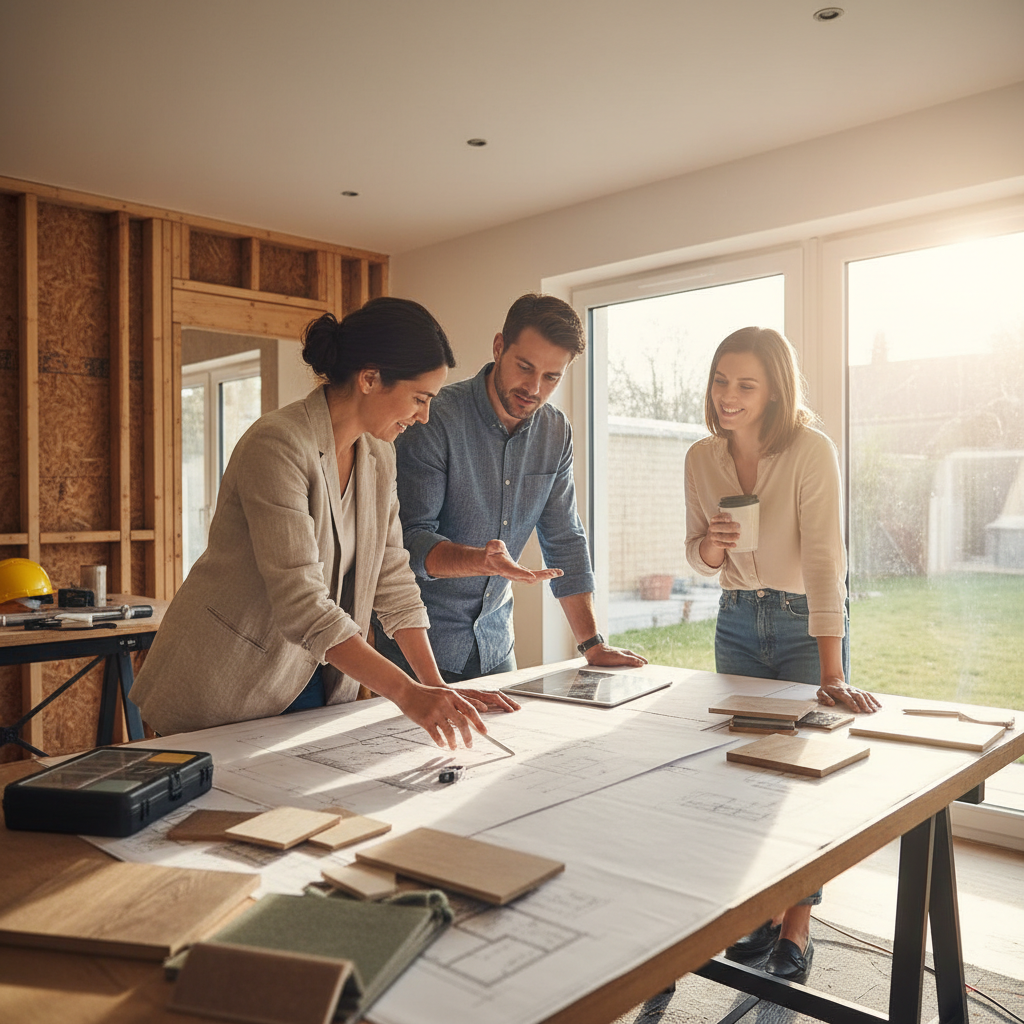
Embarking on a home remodeling project can often feel like navigating a complicated minefield. You have a beautiful vision of your dream kitchen, a luxurious master bathroom, or a spacious home addition, but getting from that initial dream to the final walkthrough involves coordinating a dizzying array of architects, interior designers, structural engineers, and general contractors. Miscommunication between these separate parties is the number one cause of budget overruns, delayed timelines, and homeowner headaches. Enter the design build process. If you want to save time, reduce your stress levels, and keep your renovation budget strictly in check, understanding how the design-build method works is your first and most crucial step. Throughout this comprehensive guide, we will break down exactly how this unified approach transforms the traditional remodeling nightmare into a seamless, collaborative experience. Whether you are knocking down a single wall or undertaking a whole-house renovation, choosing the right delivery method sets the tone for the entire project. By the end of this article, you will know precisely what to expect at every stage of construction, how to prepare your finances, and how you can use FIND-A-PRO to find the perfect, fully-vetted team for your next major home transformation.
What Exactly is the Design Build Process?
Let us start with a clear definition for anyone new to the remodeling world. What is the design build process? The design build process is a project delivery method where a single entity—the design-build firm—takes unified responsibility for both the architectural design and the physical construction of your remodeling project from start to finish.
To truly understand why this is so revolutionary, you have to look at the old way of doing things. In a traditional remodeling approach, known in the industry as 'design-bid-build,' you, the homeowner, are forced to act as the middleman. You hire an independent architect to draw the blueprints, paying them a hefty fee based on a percentage of the projected budget. Then, you take those finished plans and bid them out to several different general contractors. If the contractors' bids come in twice as high as your actual budget, you have a massive problem. You have to go back to the architect and pay them again to redraw the plans to be more affordable. It is a highly fragmented, adversarial system that frequently leads to finger-pointing when things go wrong on the job site.
The design-build process completely changes the game by bringing the designers, architects, and builders under one roof from day one. Instead of working in silos, everyone works as a unified, collaborative team. They discuss structural feasibility, material costs, and construction methods while the design is still being conceptualized, ensuring that the beautiful design on paper is actually buildable within your specified budget parameters. This level of early integration prevents the heartbreak of unbuildable designs and sets a collaborative tone for the months of work ahead.
The 5 Key Phases of the Design Build Process
Understanding the roadmap of your remodel helps eliminate nasty surprises and keeps you in the driver's seat. When you work with a professional, unified team, the design build process generally follows these five structured phases:
Phase 1: Initial Consultation and Feasibility
Every successful remodel starts with a deep, comprehensive conversation. The design-build team will visit your home, thoroughly assess the existing structure, and listen intently to your lifestyle goals. Are you looking to add square footage for a growing family, or simply optimize the current layout for better flow? This crucial phase is about establishing a realistic budget and timeline. Before moving forward, the team will conduct a feasibility study to ensure your dream remodel complies with local zoning laws, setback requirements, and homeowners association (HOA) rules. They will also look for potential red flags, like outdated electrical panels or plumbing stacks that might need upgrading.
Phase 2: Conceptual Design and Value Engineering
Once feasibility is confirmed, the creative fun begins. The design team will present 3D renderings, floor plans, and mood boards. Because the construction experts are sitting in the exact same room as the designers, you get real-time cost feedback—a process known as 'value engineering.' If a specific structural change, like moving a load-bearing wall, proves too expensive, the builder flags it immediately. The designer can then instantly pivot to a more cost-effective alternative that still achieves your aesthetic goals without blowing the budget. This is a great time to reference our essential home maintenance guide to ensure you are selecting durable, easy-to-maintain materials for your new space.
Phase 3: Detailed Design and Pre-Construction
During this meticulous phase, you will finalize every single detail, from the exact cabinetry hardware to the type of grout in your master bath. The team will pull all the necessary municipal permits and order your materials. By finalizing selections before demolition ever begins, the design-build team prevents frustrating supply chain delays from stalling your project halfway through. They will also address critical safety protocols, ensuring compliance with strict environmental guidelines like the EPA's Renovation, Repair and Painting Program, which is especially vital if your home was built prior to 1978 and may contain lead-based paint.
Phase 4: The Active Construction Phase
With permits safely in hand and materials ordered, the actual construction begins. Unlike traditional methods where the architect largely disappears once the building starts, the design-build model keeps the designer actively involved. If an unexpected issue arises behind the drywall—like hidden water damage or outdated wiring—the builder and designer collaborate instantly to find a solution that does not compromise the design intent or your wallet. You will typically have a dedicated project manager acting as your single point of contact, providing daily updates through construction management software and managing site cleanliness to minimize disruption to your daily life.
Phase 5: Post-Construction, Walkthrough, and Warranty
As construction wraps up, you will complete a detailed final walkthrough with your project manager to create a 'punch list' of minor touch-ups. Because one company is strictly responsible for the entire project, there is absolutely no arguing over whether a flaw is a 'design error' or a 'construction defect.' The design-build firm simply steps up and fixes it. They will also hand over all appliance manuals, warranty information, and lien waivers, ensuring your investment is fully protected for years to come.
Design Build vs. Traditional Construction: Which is Better?
Many homeowners wonder if they should stick to the traditional design-bid-build route simply because it is what they know. Let us look closely at a comparison of the two approaches. In the traditional model, you assume nearly all of the financial and managerial risk. I have seen homeowners brought to tears because an architect designed a breathtaking $150,000 kitchen addition, but their strict maximum budget was $80,000. In a traditional process, you pay the architect for those plans whether you can afford to actually build them or not. Furthermore, you must act as the mediator between the designer and the contractor if structural realities clash with the blueprints during construction. When the contractor says, 'The architect drew this wrong,' and the architect says, 'The contractor doesn't know how to build it,' you are the one left paying the change-order fees.
In stark contrast, the design build process completely shifts the risk away from the homeowner and onto the firm. The firm is accountable for delivering the fully realized project at the agreed-upon price. According to multiple industry studies, design-build projects are completed up to 33% faster and cost about 6% less on average than traditionally managed projects. The single-source responsibility means significantly faster problem-solving and a much smoother, more enjoyable experience for you and your family.
If you are still on the fence about which route to take, we highly recommend reviewing our comprehensive guide on how to hire a service professional. It will help you weigh your options, identify red flags to watch out for, and learn the most critical questions to ask during your initial contractor interviews.
Top Benefits of the Design Build Approach for Homeowners
Choosing the correct project delivery method can literally make or break your entire remodeling experience. Here are the core, tangible advantages of utilizing the design build process for your next major home improvement project:
- Single Point of Accountability: You only have one single contract to sign, one invoice to pay, and one phone number to call. If any problem arises, the design-build firm is fully responsible for fixing it. There is no blame game, and you never have to act as a referee.
- Strict Budget Control: Because the builder is heavily involved in the design phase, the true cost of materials and labor are factored into the design from day one. This virtually eliminates the nightmare of unbuildable designs and shocking budget overruns that plague traditional remodels.
- Significantly Faster Timeline: Design and construction phases can often overlap safely. For example, the team can begin site preparation, foundation work, and demolition while final interior material selections are still being decided. This streamlined, efficient communication cuts weeks or even months off the total project duration.
- Enhanced Team Communication: A unified team means the architect and builder have a strong, pre-existing working relationship. They communicate daily, share the same software systems, and understand each other's methodologies, drastically reducing misunderstandings and costly errors.
- Higher Quality Results: When designers and builders collaborate closely, they push each other to find highly innovative solutions. The builder ensures the design is structurally sound and durable, while the designer ensures the builder executes the aesthetic vision flawlessly down to the last millimeter.
- Reduced Homeowner Stress: Remodeling is inherently stressful, but by removing yourself as the middleman, you can actually enjoy the creative process of transforming your home rather than stressing over logistical nightmares.
How to Prepare for Your Design Build Remodel
Even with a seamless, unified process, proper preparation on your end is key to a successful project. Before reaching out to a design-build firm through FIND-A-PRO, take some time to gather your thoughts and document your goals. Create a strict 'must-have' versus 'nice-to-have' list. Collect inspirational photos from magazines or online platforms to give the design team a very clear sense of your personal style and aesthetic preferences.
Next, establish a realistic budget, and absolutely include a 10-15% contingency fund for unexpected issues (like hidden water damage or bringing old electrical wiring up to modern code). Do not hide your true budget from your design-build team; they need to know your exact limits so they can value-engineer the project appropriately.
Finally, do your due diligence when selecting a firm. Make sure they are licensed, fully insured (including workers' compensation and general liability), and have a strong, verifiable portfolio of recently completed projects. It is always wise to consult federal resources like the FTC's consumer guide on hiring a contractor to protect yourself from common scams and ensure you are making a sound, legally protected investment.
Frequently Asked Questions (FAQs)
We know that embarking on a major remodel comes with a lot of questions. Here are the most common inquiries homeowners have about the design build process:
Is the design build process more expensive upfront?
While the initial design fees might seem slightly higher because they include comprehensive construction planning and value engineering, the overall cost of a design-build project is typically lower. By avoiding miscommunications, expensive mid-project change orders, and architect redesign fees, you save significant money in the long run. Studies show this method averages 6% cheaper than traditional bidding.
How long does the design build process take compared to traditional methods?
The timeline varies wildly depending on the scope of your specific remodel. A master bathroom remodel might take 8-12 weeks from initial consultation to completion, while a whole-home renovation or large addition could take 6-12 months. However, the key advantage is that the design-build method is proven to be up to 33% faster than traditional methods, minimizing the time your home is an active construction zone.
Do design-build firms handle all the necessary building permits?
Yes, absolutely. One of the greatest stress-relievers of this unified process is that the firm's dedicated project management team handles all interactions with your local municipal building department, including pulling the necessary permits, paying the fees, and scheduling all required city inspections throughout the build.
Can I use my own architect with a design-build firm?
Generally, design-build firms have their own highly skilled in-house architects and designers. However, some flexible firms are willing to work with outside architects in a modified 'team-build' approach, provided the builder is brought in early enough in the design phase to provide essential cost and constructability feedback.
Key Takeaways
Transforming your house into your dream home should be an exciting journey, not a source of endless anxiety and financial strain. The design build process offers a unified, transparent, and highly efficient way to tackle remodeling projects of any size and scope. By bringing the critical elements of design and construction under one single roof, you actively protect your budget, significantly accelerate your project timeline, and ensure the final physical result matches your initial creative vision perfectly. When you are ready to take the very first step toward your ultimate home transformation, trust FIND-A-PRO to seamlessly connect you with top-rated, fully vetted design-build professionals right in your local area. Let's make your dream home a reality, together.
