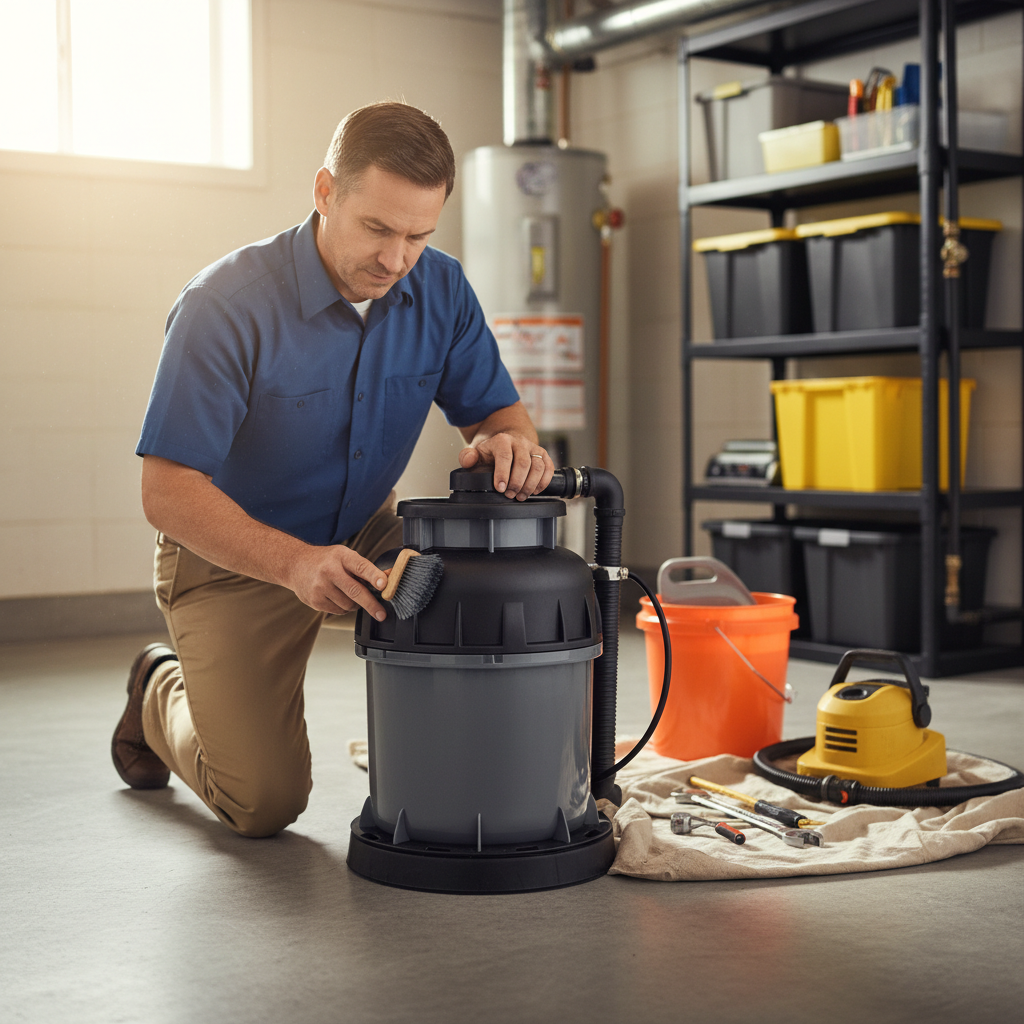
For many homeowners, the sump pump is the unsung hero of the household. Tucked away in a dark corner of the basement or crawlspace, it sits silently, waiting for the moment a heavy storm or a rapid snowmelt threatens to turn your lower level into an indoor pool. However, like any mechanical device that spends its life submerged in water, a sump pump requires regular attention to ensure it performs when the pressure is on. Ignoring your sump pump is a gamble that could lead to thousands of dollars in water damage, mold growth, and structural issues. In this comprehensive guide, we will walk you through everything you need to know about sump pump maintenance, from simple quarterly checks to professional-grade deep cleans, so you can rest easy the next time the clouds turn grey.
Understanding the Anatomy of Your Sump Pump System
Before you dive into the maintenance tasks, it is crucial to understand how your system works. Most residential systems consist of a sump pit (the hole in the floor), the pump itself (either submersible or pedestal), a float switch, a check valve, and a discharge pipe. Understanding these components is a vital part of any essential home maintenance guide.
When water levels in the pit rise, the float switch rises like a bobber on a fishing line. Once it reaches a certain height, it triggers the pump to turn on. The pump then forces water through the discharge pipe, moving it away from your home's foundation. The check valve, located on the discharge pipe, prevents water from flowing back into the pit once the pump turns off. If any one of these components fails, the system fails. Knowing where these parts are located makes the troubleshooting process much faster when you are standing in an inch of water.
The Quarterly Sump Pump Maintenance Checklist
You do not need to be a licensed plumber to perform basic maintenance. In fact, doing these small tasks every three months can extend the life of your pump significantly. First, ensure the pump is plugged into a functional Ground Fault Circuit Interrupter (GFCI) outlet. Moisture and electricity are a dangerous mix, and a GFCI is your primary line of defense against electrical shocks.
- The Pour Test: Pour a five-gallon bucket of water into the pit. The pump should turn on automatically, discharge the water quickly, and shut off once the level drops.
- Clear the Inlet Screen: Submersible pumps have a small screen or grate at the bottom where water enters. Small pebbles and debris can clog this, forcing the motor to work harder and eventually burn out.
- Listen for Odd Noises: While the pump is running, listen for grinding or excessive vibration. These are often early warning signs of a failing motor or a damaged impeller.
If you notice that your pump is struggling to keep up even during these tests, it might be time to consult a specialist. You can use FIND-A-PRO to connect with verified local plumbers who can perform a professional diagnostic check before the next big storm hits.
Annual Deep Cleaning and System Inspection
Once a year, typically in early spring before the rainy season begins, your sump pump deserves a thorough 'deep clean.' This involves more than just a quick test; it requires a bit of elbow grease. Start by disconnecting the pump from its power source and removing it from the pit. If the pump is hard-wired, do not attempt to remove it yourself unless you have electrical experience.
Step-by-Step Annual Cleaning:
- Clean the Pit: Use a wet-dry vacuum to remove any sludge, silt, or debris from the bottom of the sump pit. This prevents the pump from 'breathing' in dirt that can damage its internal components.
- Check the Discharge Pipe: Ensure the pipe is clear of obstructions. Outdoor discharge points often become clogged with leaves, mulch, or even rodent nests. According to FEMA's flood preparedness guidelines, ensuring proper drainage away from the foundation is the single most effective way to prevent basement flooding.
- Examine the Check Valve: Ensure the arrow on the valve is pointing away from the pump. If you hear a loud 'thud' when the pump stops, your check valve might be failing or may need a 'quiet' check valve replacement.
- Inspect the Float Switch: Ensure the float can move freely up and down the rod without hitting the sides of the pit or getting tangled in power cords.
The Importance of the Battery Backup System
A primary sump pump runs on your home's electricity. Unfortunately, the times you need your pump the most—during severe thunderstorms—are also the times you are most likely to lose power. A battery backup sump pump is not a luxury; it is a necessity for any finished basement. These systems feature a secondary pump and a dedicated battery that takes over the moment the power cuts out or the primary pump fails.
Maintenance for the backup system is just as important as the primary. Check the battery terminals for corrosion and clean them with a mixture of baking soda and water if necessary. Most modern backup systems have an alarm that will beep if the battery is low or if the pump has been activated. If your battery is more than five years old, it is likely nearing the end of its reliable lifespan and should be replaced. If you are unsure how to install a backup system, it is highly recommended to hire a service professional to ensure the plumbing and electrical connections are up to code.
Troubleshooting Common Sump Pump Problems
Q: Why does my sump pump run constantly even when it hasn't rained?
A: This is usually caused by a stuck float switch or a high water table. Check to see if the float is pinned against the wall of the pit. If the float moves freely but the pump won't stop, the switch itself may have shorted out.
Q: Why is my pump making a loud clanging noise?
A: This is often 'water hammer' occurring in the discharge pipe. It happens when water slams back against the check valve. Installing a quiet check valve or securing loose discharge pipes with brackets can often solve the problem.
Q: My pump is humming but not moving water. What's wrong?
A: This often indicates a 'vapor lock.' If an air bubble gets trapped in the pump, it can't move water. Most pros drill a small 'weep hole' in the discharge pipe between the pump and the check valve to allow air to escape. Alternatively, the impeller could be jammed with a small stone.
For complex issues involving electrical malfunctions or specialized repairs, FIND-A-PRO can help you find a local expert who specializes in basement waterproofing and pump repair, ensuring the job is done right the first time.
External Maintenance: The Discharge Zone
Maintenance doesn't stop at the pit. You must also look at where the water goes. If your discharge pipe empties right next to your foundation, the water will simply seep back down and create a 'recycling' effect where the pump has to move the same water over and over again. Ideally, the water should discharge at least 10 to 20 feet away from your home, ideally toward a slope that leads away from the structure.
In colder climates, frozen discharge lines are a major cause of pump failure in late winter. If the water in the pipe freezes, the pump will run against a solid block of ice until the motor burns out. To prevent this, ensure the pipe has a downward slope so water doesn't sit in it, or install an 'IceGuard' type attachment that allows water to escape near the house if the main line is frozen.
Frequently Asked Questions (FAQ)
How long do sump pumps typically last?
Most high-quality sump pumps have a lifespan of 7 to 10 years. Even if the pump appears to be working after a decade, the mechanical components are likely reaching their fatigue point. It is often cheaper to replace a 10-year-old pump proactively than to deal with the aftermath of a failure.
Can I use vinegar to clean my sump pump?
Yes! Running a mixture of water and white vinegar through the pump is a great way to dissolve calcium and lime scale buildup. Simply fill the pit with enough water to trigger the pump and add a gallon of vinegar. Let it sit for a few minutes before flushing it through with clean water.
Do I need a professional to maintain my sump pump?
While many maintenance tasks are DIY-friendly, a professional should be called if you notice recurring electrical issues, if the pit requires structural repair, or if you are installing a new backup system. A pro will also have specialized tools to check the 'draw' of the motor to see if it is beginning to fail internally.
Key Takeaways
Maintaining your sump pump is one of the most cost-effective ways to protect your home's value and your family's health. By spending just thirty minutes every few months to check the float, clear the debris, and test the discharge, you can prevent the devastating stress of a flooded basement. Remember that your sump pump works hard in a harsh environment; it is not a 'set it and forget it' appliance. If your current system is showing signs of age, or if you want the peace of mind that comes with a professional inspection, use FIND-A-PRO to find the best local plumbing experts. We connect you with verified pros who understand the unique drainage challenges of your area, helping you keep your home dry and your foundation strong for years to come.
