When the sky turns slate gray and the forecast calls for severe weather, every homeowner experiences that familiar knot of anxiety. Whether you face high-wind derechos, summer hail, severe coastal hurricanes, or flash flooding, severe storms do not negotiate. Too many property owners wait until dark clouds gather on the horizon before checking their roof or testing their sump pump, only to find hardware stores emptied and emergency contractors fully booked. Thorough storm season prep is not about living in fear; it is an investment in safety, financial resilience, and total peace of mind. In this comprehensive guide, we unpack hard-won advice from seasoned trade professionals to help homeowners and contractors safeguard structures, protect mechanical systems, and keep families secure through Mother Nature’s toughest tests.
Roofing and Drainage: Securing Your Home’s First Line of Defense
When high winds and driving rain strike, your roof and exterior drainage bear the brunt of the onslaught. Even a single compromised shingle or a slightly loose section of drip edge can act as an entryway for water that ends up dripping onto your ceiling, ruining insulation, drywall, and hardwood floors.
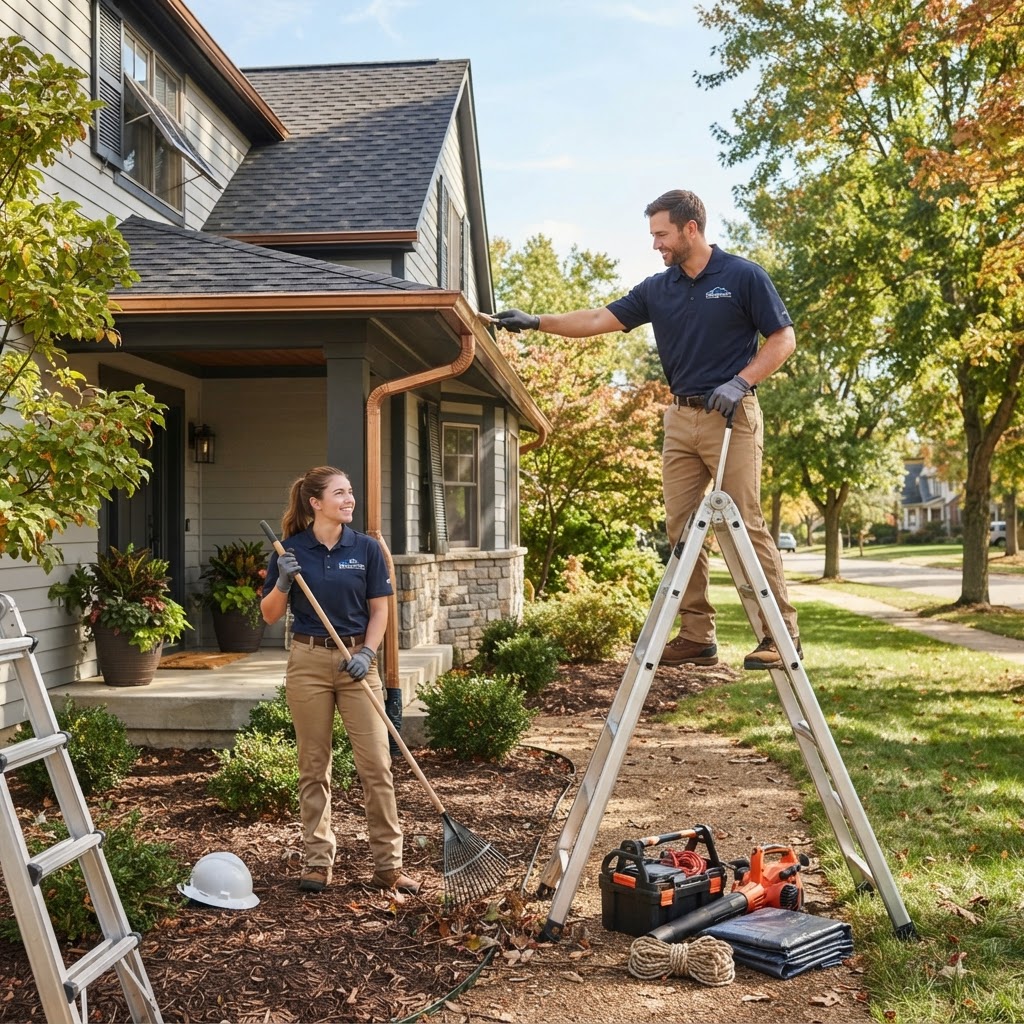
A proper pre-storm exterior inspection begins from the ground up using binoculars, or up close via a secure ladder inspection:
- Inspect Shingles and Tiles: Look for curling, cracked, lifting, or missing shingles. Pay extra attention to hip and ridge caps, which endure peak wind lift.
- Check Flashing and Penetrations: Roof penetrations—such as plumbing vent stacks, skylights, chimneys, and satellite mounts—are notorious leak points. Ensure seals are flexible and step flashing remains firmly anchored without rust or separation.
- Clean Gutters and Clear Downspouts: Clogged gutters turn your home’s roofline into an artificial reservoir. Water backs up beneath fascia boards, rotting roof decking and overflowing directly along the foundation. Clean debris thoroughly and ensure downspout extensions push storm runoff at least 5 to 10 feet away from the foundation.
For more routine tips on keeping your property in peak condition year-round, consult our essential home maintenance guide. When inspecting second-story roofs or steep pitches, always prioritize safety and bring in experienced roofing contractors if you suspect structural fatigue or compromised decking.
Windows, Doors, and the Garage Vulnerability
Protecting the building envelope is critical to keeping structural integrity intact. High-velocity winds apply positive pressure against the exterior face of your home while creating suction (negative pressure) along the side walls and roof. If an opening breaches, wind rushes inside, dramatically increasing internal pressure that can lift rafters and pop structural joints.
Take these proactive steps before high-wind warnings are issued:
- Inspect Seals and Weatherstripping: Replace dried-out silicone caulk and brittle foam weatherstripping around windows, transoms, and exterior doors to prevent moisture penetration under wind-driven downpours.
- Secure Entry Doors: Exterior doors should feature heavy-duty three-hinge sets and a solid deadbolt that extends at least one inch into the door framing stud to resist forced pressure.
- Fortify the Garage Door: The largest opening in your home is frequently the weakest point in high winds. When standard garage panels buckle under gale-force winds, total roof loss often follows. Install an aftermarket vertical bracing kit or upgrade to an impact-rated door built to handle winds upwards of 130 mph.
- Prepare Window Coverings: If you lack permanent impact glass or accordion shutters, pre-cut 5/8-inch exterior-grade CDX plywood to fit each opening. Pre-drill mounting holes and label panels clearly for each window so you can mount them swiftly when warnings arise.
Managing Water Infiltration: Basements, Foundations, and Sump Pumps
Flooding is historically the costliest and most destructive hazard associated with severe storms. Even outside of designated coastal floodplains, excessive precipitation can saturate the perimeter soil, pushing thousands of gallons of hydrostatic pressure straight against your foundation.
Protect your lower levels with these preventative plumbing and grading protocols:
- Test Your Primary Sump Pump: Slowly pour several gallons of water directly into the sump pit. The float switch should rise freely, kick the motor on smoothly, discharge water rapidly, and disengage without sticking.
- Install an Auxillary Battery-Backup Sump Pump: Heavy storms frequently knock out residential power grids at the exact moment heavy downpours overwhelm basement perimeter drains. A marine-grade battery-backed pump is cheap insurance against tens of thousands in structural water damage.
- Verify Backflow Prevention: Heavy rainfall can cause municipal storm sewers to reverse back into residential plumbing. Ensure your sewer lateral possesses an operational backwater valve to prevent toxic blackwater from backing up through basement floor drains.
- Store High and Dry: Relocate valuable electronics, irreplaceable heirlooms, and sensitive mechanical components off the floor and onto high shelving or upper levels.
Yard and Landscape Risk Mitigation: Taming Flying Debris
In 60 to 80+ mph wind gusts, loose outdoor objects transform into airborne missiles capable of shattering impact-resistant glass, puncturing siding, and taking down electrical lines. Yard preparation requires both structural landscaping and strategic outdoor containment.
Audit your surrounding yard and property carefully:
- Arborist Tree Assessment: Dead limbs, cracked boughs, and hollow trunks present catastrophic hazards. Trim back branches overhanging your roofline and remove deadwood well before hurricane season arrives. If branches come within ten feet of overhead power utility lines, contact your local utility company immediately rather than attempting DIY trimming.
- Clear Loose Projectiles: Build a rapid-response checklist for items that must be secured indoors or anchored tightly: patio tables, swivel chairs, gas grills, potted plants, yard ornaments, decorative flags, and exterior garbage cans.
- Inspect Outbuildings and Fencing: Check fence posts, gate latches, and shed anchors. A loose wooden gate banging in gale winds will tear loose from its hinges, damage exterior walls, or shatter adjacent windows.
Power Redundancy and Safe Generator Operations
When widespread utility infrastructure fails, a secondary power system safeguards refrigeration, sump pumps, and medical equipment. However, poor generator habits pose severe fire and life-safety threats, particularly carbon monoxide (CO) poisoning.
Follow proven safety standards recognized by the Federal Emergency Management Agency (FEMA) and utility operators:
- Proper Outdoor Placement: Run portable generators only outdoors, at least 20 feet away from open windows, doors, crawlspace vents, and air intakes. Never operate a generator inside a garage, carport, enclosed porch, or breezeway, even with doors wide open.
- Avoid Fatal Backfeeding: Never plug a portable generator directly into a standard wall outlet. Backfeeding energizes exterior utility lines, posing a deadly electrocution risk to utility line workers restoring power down the street. Always use an approved transfer switch or an interlock kit wired by a qualified electrician.
- Store Fuel Safely: Keep gasoline or diesel in approved, tightly sealed containers stabilized with fuel additives. Store fuel outside living areas and away from direct ignition hazards or pilot lights.
- Equip Whole-Home Surge Protection: Lightning strikes and utility line grid fluctuations produce severe voltage spikes. Installing an affordable whole-home surge protector at the main service panel protects sensitive circuit boards inside modern appliances, HVAC equipment, and smart devices.
If you are planning to add a manual transfer switch or install a standby generator, read our breakdown on how to hire a service professional to guarantee code compliance and keep your home safe.
Emergency Supplies and Communication Protocols
Self-reliance for 72 to 96 hours post-storm is an essential standard. When major transportation networks become blocked and emergency responders are prioritizing critical rescues, your household must be fully self-sufficient.
Review and stock your essential storm readiness kit:
- Potable Water Supply: Keep a minimum of one gallon of fresh water per person, per day, for at least three to seven days, factoring in companion pets.
- Non-Perishable Sustenance: Store energy-dense, non-spoilable canned goods, protein bars, ready-to-eat meals, and don’t forget a manual hand can opener.
- Emergency Medical and Hygiene: Keep an expanded first-aid kit, a minimum two-week reserve of necessary prescription medications, sanitizing wipes, and essential toiletries.
- Off-Grid Communications: Secure a hand-crank or battery-powered NOAA weather radio, powerful LED flashlights, extra alkaline batteries, and heavy-duty portable power banks for mobile phones.
- Paper Records & Cash: Card payment terminals and ATMs shut down without electricity and internet connectivity. Keep emergency cash in small denominations alongside physical copies of deeds, birth certificates, and insurance documents stored inside a water-resistant, fireproof lockbox.
Storm Season Prep for Service Professionals: Operational Readiness
For home service professionals—roofers, plumbers, electricians, tree arborists, and restoration crews—storm season presents an intense surge in demand. Handling that demand effectively requires proactive operations, dependable subcontractor networks, and rapid-response workflows.
Optimize your contracting operations before the busy season begins:
- Supply Chain and Materials Stocking: Secure high-demand materials early, including industrial tarps, furring strips, self-adhering underlayment, sump pumps, check valves, and temporary bracing timbers before regional suppliers run dry.
- Vehicle & Fleet Maintenance: Service fleet alternators, replace worn tires, test winches, and stock trucks with spare fluids, heavy tow straps, and commercial chain saws.
- Emergency Triage Protocol: Establish a clear dispatch system that separates structural stabilization and active water penetrations from cosmetic insurance rebuilds, keeping technicians deployed where safety is compromised.
- Platform Visibility: Keep your business listings current and verified on platforms like FIND-A-PRO to connect with homeowners seeking certified, credentialed local contractors in the critical hours leading up to and following major weather events.
Frequently Asked Questions About Storm Season Prep
Q: What is the most common mistake homeowners make during storm season prep?
A: Waiting until a severe weather warning is issued before buying supplies or scheduling maintenance. Sump pumps, roof flashing, and dead trees should be addressed weeks before storm season. Once a storm is tracking toward your area, hardware stores sell out of essentials and reputable contractors are already committed.
Q: Does standard homeowner’s insurance cover storm-related flood damage?
A: No. Standard homeowners insurance policies explicitly exclude damage caused by rising external floodwaters, surface runoff, or storm surges. Flood insurance must be purchased separately through the National Flood Insurance Program (NFIP) or private insurers, and typically comes with a mandatory 30-day waiting period before coverage takes effect.
Q: How can I tell if my tree branches pose a danger before a storm arrives?
A: Look for branches that extend directly over your roof, dead wood that lacks leaves or shows split bark, cavities in the trunk, and trees with a sudden or pronounced lean. A certified arborist can perform a structural evaluation and prune hazardous limbs safely before winds turn them into hazards.
Key Takeaways
Preparing for storm season is all about proactive planning rather than reactive panic. By inspecting your roof, clearing gutters, securing weak entry points, and testing backup power and water mitigation systems, you protect your family and shield your property from devastating repair bills. If any part of your seasonal preparation requires licensed expertise—whether trimming high canopy branches, updating your electrical panel, or reinforcing your roofing system—turn to FIND-A-PRO. Our curated platform connects you with verified, vetted local service professionals who have the equipment, training, and experience to keep your home strong through every storm.
