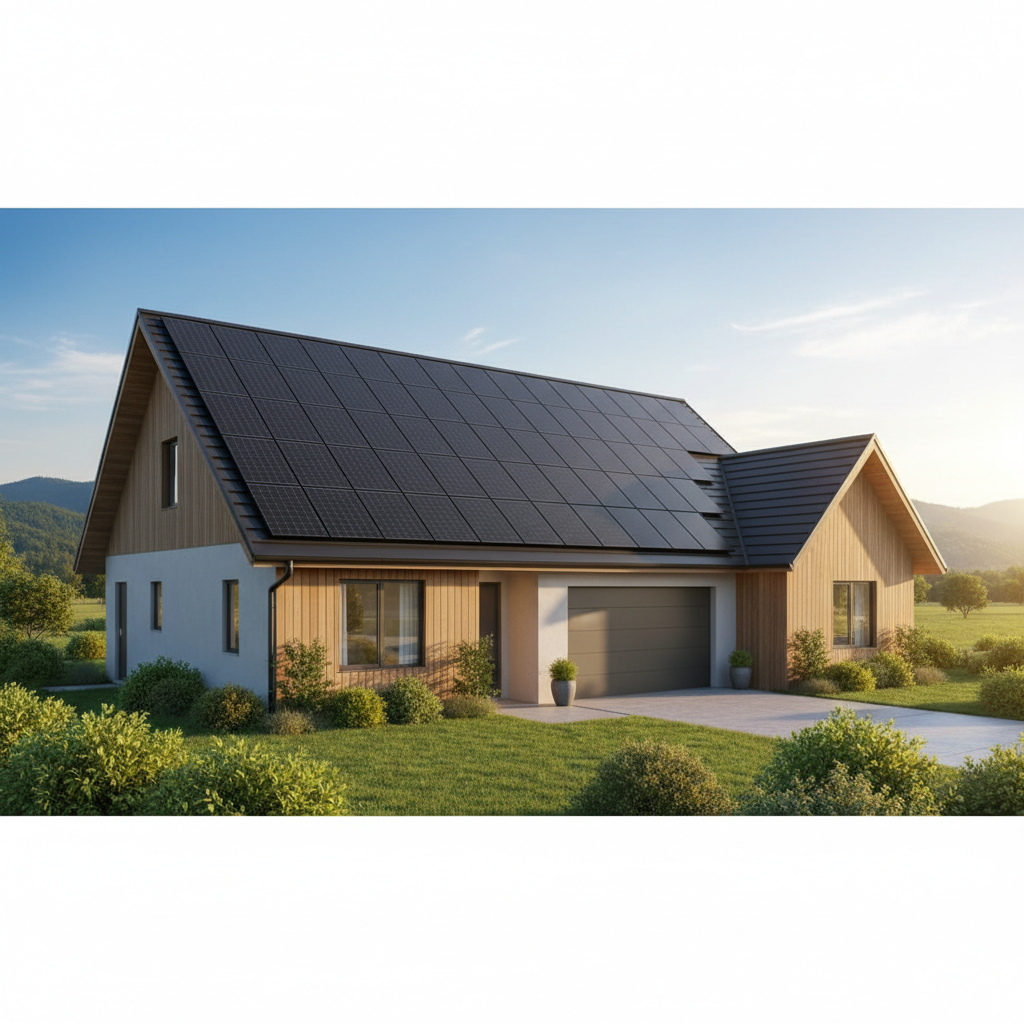
The transition to renewable energy is no longer just about mounting bulky, rectangular blue panels on top of your shingles. We have entered the era of solar roof integration, where the roof itself becomes the generator. For many homeowners, the traditional 'rack-mounted' solar look has been a deterrent, often clashing with the architectural lines of a beautiful home. However, with the advent of Building-Integrated Photovoltaics (BIPV), homeowners can now enjoy the benefits of clean energy without compromising on curb appeal. This comprehensive guide will walk you through everything you need to know about integrating solar technology directly into your roofing system, from the initial structural assessment to the final financial ROI.
What is Solar Roof Integration (BIPV)?
Solar roof integration, technically known as Building-Integrated Photovoltaics (BIPV), represents a paradigm shift in how we power our homes. Unlike traditional solar installations where panels are bolted onto an existing roof using a rail system, integrated solar replaces standard roofing materials entirely. Think of it as a two-for-one deal: you are installing a durable, weatherproof roof that also happens to produce electricity.
There are several primary types of solar integration available today. The most popular is solar shingles, which are designed to mimic the size and shape of traditional asphalt shingles. Other options include solar tiles, which blend seamlessly with Mediterranean or clay-style roofs, and large-format solar slates. These systems use thin-film solar technology or high-efficiency monocrystalline cells encapsulated in tempered glass to ensure they can withstand the same environmental stresses as traditional roofing—such as hail, high winds, and heavy snow loads.
For homeowners looking to maintain a specific aesthetic, BIPV is the gold standard. When properly installed, these systems are virtually indistinguishable from a standard roof from the street. This makes them particularly appealing for those living in communities with strict Homeowners Association (HOA) guidelines or owners of historic homes who want modern efficiency with a classic look.
The Financials: Costs, Incentives, and Long-Term ROI
One of the most common questions homeowners ask is, 'Is it worth the extra cost?' It is true that solar roof integration typically carries a higher upfront price tag than a standard roof plus traditional panels. However, the math changes when you consider the lifecycle of the product. When you opt for solar integration, you are essentially offsetting the cost of a new roof. If you are already in need of a roof replacement, the incremental cost of upgrading to solar tiles is much more manageable than it would be on a brand-new, functional roof.
The federal government and many states offer significant incentives to make this transition affordable. The most notable is the Federal Investment Tax Credit (ITC). You can learn more about these savings on the Energy Star federal tax credits page, which currently allows homeowners to deduct 30% of the total cost of their solar system from their federal taxes. This includes not just the solar components, but often the labor and necessary structural upgrades required for the installation.
Beyond the tax credits, consider the impact on home value. Research consistently shows that homes with solar energy systems sell for a premium compared to those without. Because integrated solar looks better and lasts longer (often 25-30 years), it is perceived as a high-end home improvement rather than a utility add-on. When you factor in the monthly energy savings—which can range from $100 to $300 per month depending on your local utility rates—the system typically pays for itself within 7 to 12 years.
Evaluating Your Roof: Is Your Home Ready?
Not every home is an immediate candidate for solar integration. Before you dive in, you need to conduct a thorough assessment of your property. The first factor is orientation. In the Northern Hemisphere, south-facing roofs receive the most consistent sunlight throughout the day. While east and west-facing roofs can still work, they may require more surface area to produce the same amount of power. North-facing roofs are generally avoided for solar integration.
Next, consider the pitch and angle of your roof. Most solar shingles are designed for standard pitches (between 3:12 and 12:12). If your roof is flat or extremely steep, you may need a specialized mounting system or a different type of BIPV product altogether. Shading is another critical factor. A single large oak tree or a neighboring chimney that casts a shadow for several hours a day can significantly degrade the performance of your solar cells.
Finally, check the structural integrity of your roof deck. Solar shingles are heavier than standard asphalt shingles. A professional contractor will need to verify that your rafters and decking can support the added weight. If your home's framing is older, you might need minor reinforcements. This is why it is essential to consult with a specialist. You can find verified experts who understand these nuances by using a platform like FIND-A-PRO to connect with local roofing and solar specialists.
The Installation Process: From Design to Grid-Tie
Installing an integrated solar roof is a multi-step process that requires coordination between roofing specialists and electricians. It is not a DIY project. Here is what the typical journey looks like:
- Design and Permitting: Your contractor will create a 3D model of your home to determine the optimal placement of active (solar-producing) shingles and inactive (standard-looking) shingles. They will then handle the necessary permits with your local building department.
- Tear-Off: The old roofing material is removed down to the deck. Any damaged wood is replaced to ensure a solid foundation.
- Underlayment and Flashing: A high-performance, fire-resistant underlayment is installed. This is the primary waterproof barrier for your home.
- The Layout: Installers begin laying the shingles. In an integrated system, only the portions of the roof with direct sun exposure usually get the 'active' shingles, while the rest of the roof is covered in matching 'inactive' shingles for a uniform look.
- Electrical Wiring: Each solar shingle is connected to the next via specialized weather-tight connectors. These wires are run into the attic and eventually to an inverter, which converts the DC power into usable AC power for your home.
- Inspection and Interconnection: Once installed, a local building official and a representative from your utility company will inspect the system. After approval, you are granted 'Permission to Operate' (PTO) and can begin generating your own power.
Maintenance and Monitoring for Peak Performance
One of the best features of modern solar roof integration is that it is remarkably low-maintenance. Unlike traditional panels that sit on racks and can accumulate debris underneath (inviting pests like birds or squirrels), integrated systems are flush with the roof, leaving no room for nests or leaves to collect. However, 'low maintenance' does not mean 'no maintenance.'
To ensure your system is running at peak efficiency, you should include your solar roof in your essential home maintenance guide routine. At least twice a year, perform a visual inspection from the ground using binoculars. Look for any visible cracks in the glass or significant debris buildup. In most climates, regular rainfall is enough to keep the surface clean. However, if you live in a particularly dusty area or a region with heavy pollen, a gentle rinse with a garden hose (never a power washer) can boost energy production by up to 5-10%.
Most integrated systems come with a monitoring app. Check this app weekly. It provides real-time data on how much energy your roof is producing. If you notice a sudden drop in output that isn't explained by cloudy weather, it could indicate a wiring issue or a failed inverter that needs professional attention. Catching these issues early ensures you don't lose out on months of energy savings.
How to Hire the Right Solar Integration Professional
Because solar roof integration bridges the gap between two distinct trades—roofing and electrical work—hiring the right professional is the most important decision you will make. You need a team that holds both a roofing license and an electrical certification, or a firm that has a proven partnership between the two. When vetting candidates, ask for their experience specifically with BIPV products, as the installation techniques differ significantly from traditional rack-mounted solar.
Don't be afraid to ask for references and check their standing with the Better Business Bureau. You should also verify that they are insured and bonded. Using a trusted resource like FIND-A-PRO can streamline this process, as they verify the credentials of local contractors, ensuring you work with someone who has a track record of success in complex solar integrations. For more tips on the interview process, check out our guide on how to hire a service professional to ensure you're asking the right questions about warranties and local building codes.
Frequently Asked Questions About Solar Roof Integration
Q: How long do solar shingles last compared to traditional roofing?
A: Most solar shingles are designed to last between 25 and 30 years, which is comparable to high-end architectural asphalt shingles. Many manufacturers provide a weatherization warranty (for leaks) and a power output warranty (guaranteeing energy production) for the full 25-year duration.
Q: Can I add a battery backup to an integrated solar roof?
A: Absolutely. Integrated solar systems work perfectly with home battery solutions like the Tesla Powerwall or Enphase IQ Battery. This allows you to store excess energy generated during the day for use at night or during power outages.
Q: What happens if one shingle breaks?
A: Modern integrated systems are wired in a way that if one shingle is damaged, it doesn't necessarily shut down the whole system. Individual shingles can typically be replaced by a professional without tearing up the entire roof, much like replacing a single damaged traditional shingle.
Key Takeaways
Solar roof integration is the ultimate synergy of form and function. By choosing a system that protects your home while simultaneously powering it, you are making a forward-thinking investment in both your property's value and the planet's future. While the initial planning and costs are greater than a standard roof, the long-term energy independence and aesthetic benefits are undeniable. As you begin your journey toward a greener home, remember that the quality of your installation is just as important as the technology itself. To get started, use FIND-A-PRO to connect with highly-rated solar roofing professionals in your area who can turn your roof into a high-performance power plant.
