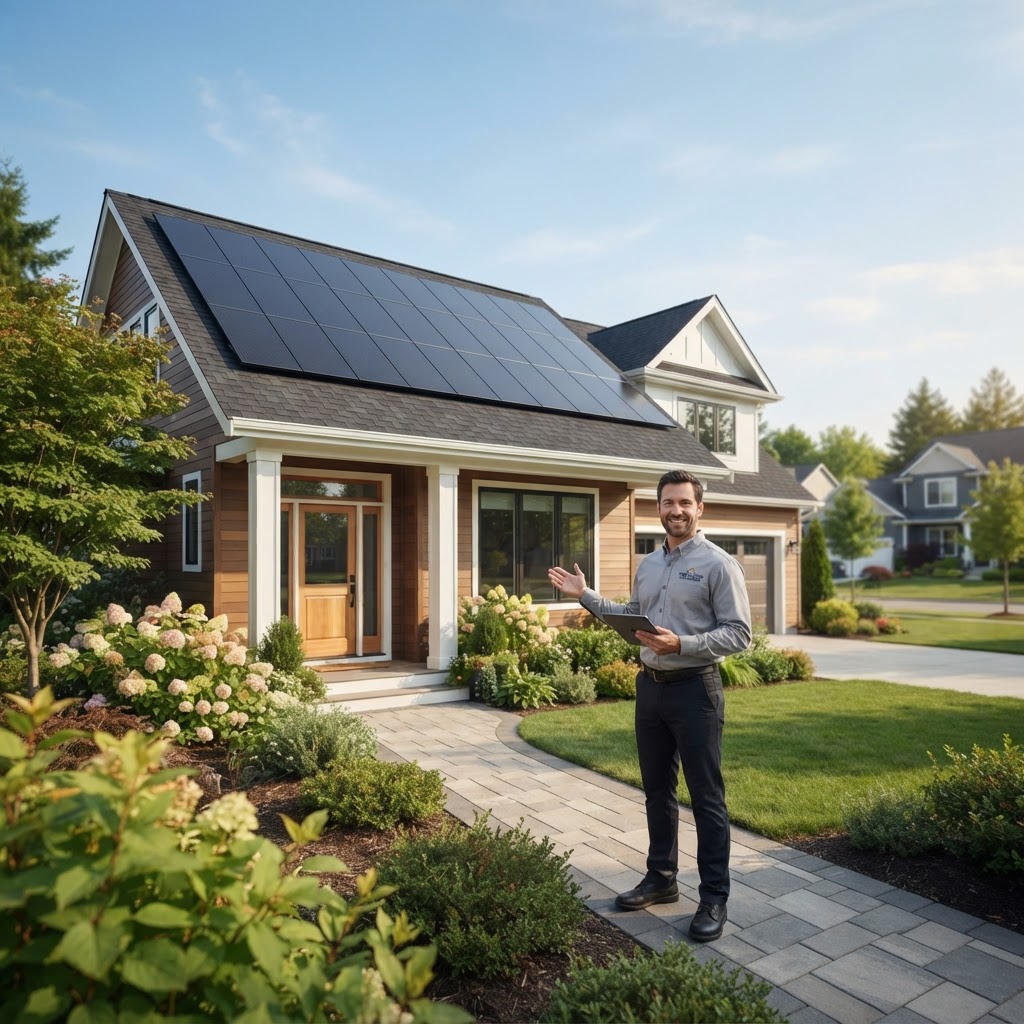
For many homeowners, the dream of energy independence starts at the top of the house. Solar roof integration is more than just bolting panels onto existing shingles; it is a strategic approach to home improvement that balances structural integrity with renewable energy production. Whether you are planning a new roof or looking to upgrade your current setup, understanding how these two systems interact is the key to a long-lasting, high-performing investment.
Why Solar Roof Integration Matters
Solar roof integration refers to the cohesive planning of your roofing material and your solar energy system. Rather than treating them as separate projects, integration ensures that your roof's lifespan matches the longevity of your solar panels. According to industry experts, if your roof is 10 to 15 years old, it is often more cost-effective to replace the roof before installing solar panels to avoid the significant expense of removing and reinstalling the system later.
By coordinating these projects, you ensure that the structural load, attachment points, and weatherproofing are handled by professionals who understand the synergy between the two systems. For more guidance on selecting the right experts, check out our guide on how to hire a service professional to ensure your project is in capable hands.
Assessing Your Roof for Solar Readiness
Before you commit to a solar installation, you must evaluate the health of your roof. A solar system is a 25-year commitment, and your roof needs to be able to support that timeline. Key factors to consider include:
- Roof Age and Condition: Have a professional inspect the rafters, trusses, and decking. Even if the shingles look fine, underlying structural issues can lead to costly repairs after the panels are mounted.
- Material Compatibility: Asphalt shingles are generally the easiest and most cost-effective for solar mounting. Metal roofs are also excellent candidates, though they require specific grounding techniques to ensure safety.
- Orientation and Slope: The angle of your roof significantly impacts energy production. A professional can help you determine if your roof's pitch is optimal for capturing sunlight throughout the day.
For detailed information on energy efficiency standards, you can visit the Energy Star website to learn more about home performance.
The Benefits of Integrated Planning
When you integrate your roofing and solar projects, you unlock several financial and operational advantages. First, you save on labor costs by having a single team manage the installation, which reduces the risk of miscommunication between contractors. Second, you avoid the 'double-handling' of materials. If you install solar on an old roof, you will eventually have to pay to have those panels removed, stored, and reinstalled when the roof finally fails.
FIND-A-PRO helps you connect with verified local professionals who specialize in these dual-system installations, ensuring that your project is handled with precision and care. By planning ahead, you protect your home's value and ensure that your energy savings start from day one.
Common Questions About Solar Roofing
Q: Can I install solar panels on any type of roof?
A: While most roofs can support solar, some materials like slate or clay tiles require specialized mounting hardware to prevent breakage. Always consult with a professional to assess your specific material.
Q: What is the difference between solar panels and solar shingles?
A: Traditional solar panels are mounted on top of your existing roof. Solar shingles, or building-integrated photovoltaics (BIPV), are designed to replace your roof tiles entirely, offering a more seamless aesthetic.
Q: How do I know if my roof needs replacing before going solar?
A: If your roof is nearing the end of its expected lifespan (typically 20-25 years for asphalt), it is highly recommended to replace it. A professional inspection can identify signs of wear, such as curling shingles, granule loss, or sagging, which indicate it is time for a new roof.
Key Takeaways
Solar roof integration is a smart, long-term investment that pays dividends in energy savings and property value. By aligning your roof replacement with your solar installation, you avoid future headaches and ensure your home is built to last. Remember, the success of your project depends on the quality of the installation. Use FIND-A-PRO to connect with experienced, verified local professionals who can guide you through every step of the process, from the initial roof inspection to the final flip of the switch.
