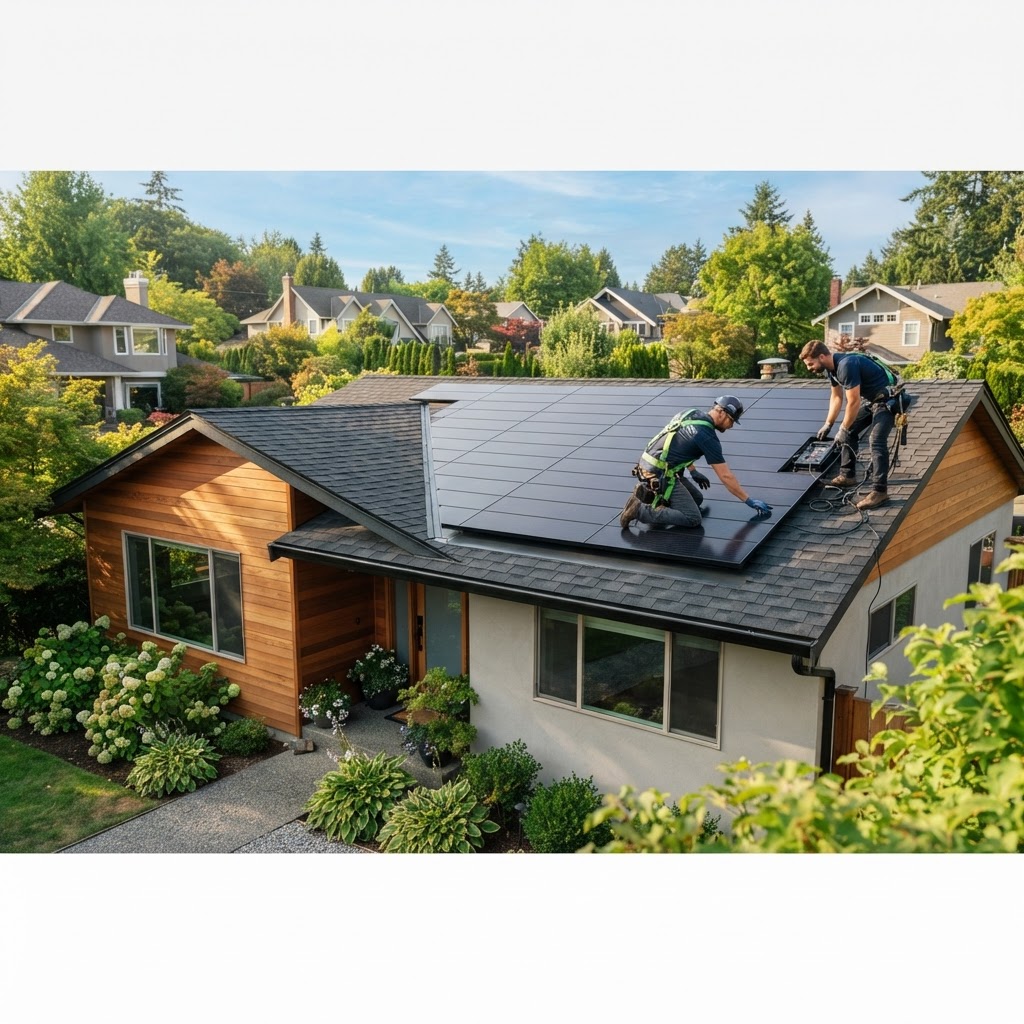
Transitioning to solar energy is one of the most impactful decisions a homeowner can make, both for the environment and your long-term utility bills. However, the success of your solar journey depends heavily on how well your solar panels integrate with your existing roof. Solar roof integration is more than just bolting panels to shingles; it is a complex process that requires careful planning, structural assessment, and professional execution to ensure your home remains protected while generating clean power.
Assessing Your Roof for Solar Readiness
Before you commit to a solar installation, you must evaluate the health of your roof. A solar system is a long-term investment, typically lasting 25 to 30 years. If your roof is nearing the end of its lifespan, installing solar panels now could lead to costly complications later. According to industry standards, your roof should ideally have at least 15 years of remaining life before you consider mounting a solar array [4].
Key factors to evaluate include:
- Structural Integrity: Your roof must be able to support the added weight of the racking system and the panels themselves. It is wise to have a professional inspect the rafters and trusses, not just the surface materials [10].
- Roof Material: Asphalt shingles are generally the easiest and most cost-effective for solar mounting. Metal roofs are also excellent candidates, often allowing for non-penetrating mounting options. Tile and slate roofs require specialized care, as installers must carefully remove and replace tiles to secure mounting hardware [4].
- Sunlight Exposure: The orientation and pitch of your roof play a massive role in energy production. South-facing roofs typically receive the most consistent sunlight in the Northern Hemisphere, though east and west-facing roofs can still be highly effective [4].
If you are unsure about your roof's condition, you can use FIND-A-PRO to connect with verified local roofing experts who can provide a professional assessment before you move forward with solar contractors.
The Benefits of Combining Roof Replacement and Solar
Many homeowners wonder if they should replace their roof and add solar at the same time. The answer is a resounding yes if your roof is aging. Combining these projects can save you significant money in the long run [9].
When you install solar on an old roof, you risk having to pay for the removal and reinstallation of your entire solar array when the roof eventually fails. This 'double-handling' of equipment adds thousands of dollars to your total project cost. By coordinating a roof replacement with your solar installation, you can streamline the permitting process, ensure the roof is reinforced for the new load, and potentially benefit from tax incentives that cover both aspects of the project [9].
For more tips on managing large-scale home improvements, check out our Essential Home Maintenance Guide to keep your property in top shape year-round.
Understanding Solar Mounting Systems
Solar roof integration relies on the mounting system to keep your panels secure against wind, snow, and thermal expansion. There are two primary ways to approach this:
- Permanent Rail-Based Systems: These are the industry standard. They involve bolting rails directly into the roof structure. While this requires professional installation and permits, it provides the most stability and longevity [1].
- Integrated Solar Roofing: Some modern systems, such as those offered by GAF Energy, integrate solar technology directly into the roofing material itself. This creates a sleek, low-profile look that functions as both a roof and a power generator [3].
Regardless of the system, it is critical to ensure that all penetrations are properly flashed and sealed to prevent leaks. For detailed guidance on safety and standards, you can refer to the Energy Star resources on home energy efficiency.
Frequently Asked Questions (FAQ)
Q: Will solar panels damage my roof?
A: When installed by a qualified professional, solar panels should not damage your roof. In fact, they can protect the portion of the roof they cover from UV rays and harsh weather. The key is proper mounting and ensuring that all roof penetrations are sealed correctly [7].
Q: Can I install solar on a flat roof?
A: Yes, but it requires a different approach. Flat roofs often use ballasted systems or specialized racking that allows for the necessary tilt to capture sunlight without requiring deep roof penetrations [1, 4].
Q: How do I know if my roof is strong enough for solar?
A: A structural inspection is necessary. A professional will look at the age of the roof, the condition of the decking, and the strength of the underlying rafters to ensure they can handle the additional load [10].
Key Takeaways
Solar roof integration is a smart way to increase your home's value and reduce your carbon footprint, provided you approach the project with a focus on roof health and professional installation. By ensuring your roof is in good condition before adding solar, you protect your investment and maximize your energy savings. When you are ready to take the next step, use FIND-A-PRO to find background-checked, licensed professionals who can guide you through the selection and installation process, ensuring your home is powered by the sun for decades to come.
