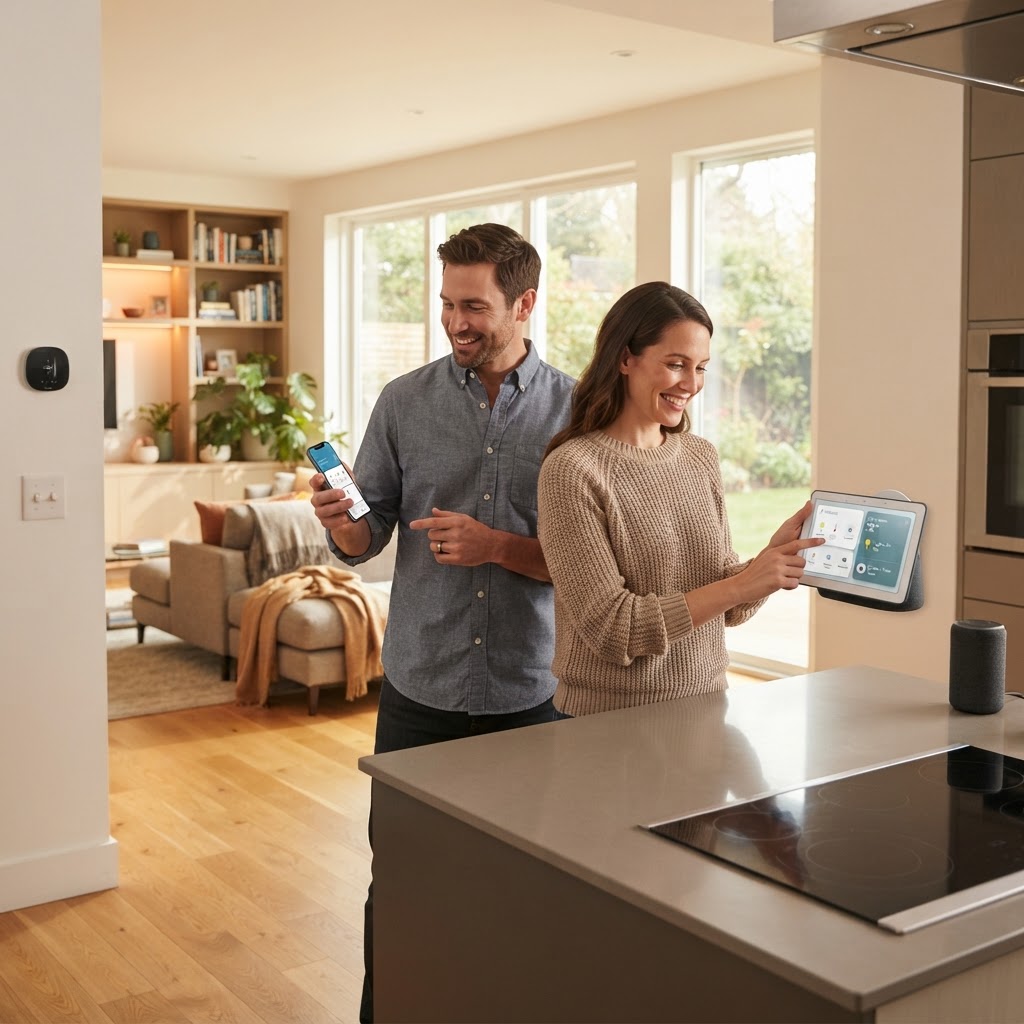
Smart home technology has evolved from a futuristic luxury into an essential component of modern living. Whether you are looking to enhance your home security, reduce your monthly energy bills, or simply add a layer of convenience to your daily routine, the world of connected devices offers something for every homeowner. As we move further into 2026, the integration of these systems is becoming more seamless, intuitive, and impactful. In this guide, we will explore the latest trends in home automation and provide actionable advice on how to build a smarter, more efficient living space.
The Core Benefits of a Smart Home
At its heart, a smart home is a residence equipped with devices that connect to a common network, allowing for remote monitoring and control. The primary benefits of adopting this technology include:
- Enhanced Security: Modern smart security systems, including video doorbells and AI-powered cameras, provide real-time monitoring and peace of mind.
- Energy Efficiency: Smart thermostats and lighting systems can significantly reduce waste by adjusting settings based on your habits or occupancy, which is a key factor in lowering utility costs.
- Unmatched Convenience: From voice-activated assistants to automated routines, smart technology simplifies daily tasks, allowing you to manage your home environment with a simple tap or command.
For those looking to optimize their home's performance, it is essential to understand that these systems work best when they are integrated rather than cobbled together. If you are planning a major upgrade, consider checking out our essential home maintenance guide to ensure your property is ready for new technology.
Top Smart Home Trends for 2026
The smart home landscape is shifting toward more open and connected ecosystems. According to recent industry reports, the focus is moving away from isolated gadgets toward unified, intelligent systems. Key trends include:
- Security Dominance: Security remains the top driver for technology integration. Homeowners are increasingly prioritizing systems that can distinguish between residents, visitors, and potential intruders.
- Energy Management: With the expansion of standards like Matter 1.5, devices are becoming better at communicating, allowing for sophisticated energy management that monitors usage across the entire home.
- Seamless Integration: The industry is moving toward "Smart Living" visions where different operating systems work together to provide a personalized experience, from lighting scenes to climate control.
As these technologies become more standard, a home without smart features may eventually see a decrease in market value compared to those that are fully connected.
DIY vs. Professional Installation: Making the Right Choice
While many smart devices are designed for easy, plug-and-play installation, complex systems often require a professional touch. A DIY approach can be cost-effective for simple setups like a single smart bulb or a basic voice assistant, but professional installation offers distinct advantages for whole-home systems.
Why hire a professional?
- Expert Placement: Professionals know exactly where to position sensors and cameras to maximize coverage and minimize blind spots.
- Reliability: A professional integrator ensures that all components are configured correctly, reducing the risk of connectivity issues or security vulnerabilities.
- Ongoing Support: Many installers offer service contracts, providing you with a point of contact for troubleshooting and system updates.
If you are ready to take the next step, you can use FIND-A-PRO to connect with verified local professionals who specialize in home automation. For more tips on vetting your contractor, read our guide on how to hire a service professional.
Frequently Asked Questions
Q: Is smart home technology really worth the investment?
A: Yes, for most homeowners, the combination of energy savings, increased security, and improved resale value makes it a worthwhile investment. According to the Energy Star guidelines, smart thermostats alone can lead to significant reductions in heating and cooling costs.
Q: How do I ensure my smart home remains secure from hackers?
A: Always change default passwords, enable two-factor authentication, and keep your device firmware updated. Hiring a professional installer can also help ensure your network is properly segmented and secured.
Q: Can I add smart features to an older home?
A: Absolutely. Many smart devices are wireless and designed to be retrofitted into existing homes without the need for major renovations or new wiring.
Key Takeaways
Smart home technology is no longer just a trend; it is a fundamental shift in how we interact with our living spaces. By focusing on security, energy efficiency, and professional integration, you can transform your house into a more comfortable and intelligent home. Whether you are starting with a single smart thermostat or planning a full-scale automation project, remember that the quality of your installation matters. When you are ready to get started, rely on FIND-A-PRO to connect with experienced, verified professionals who can bring your vision to life.
