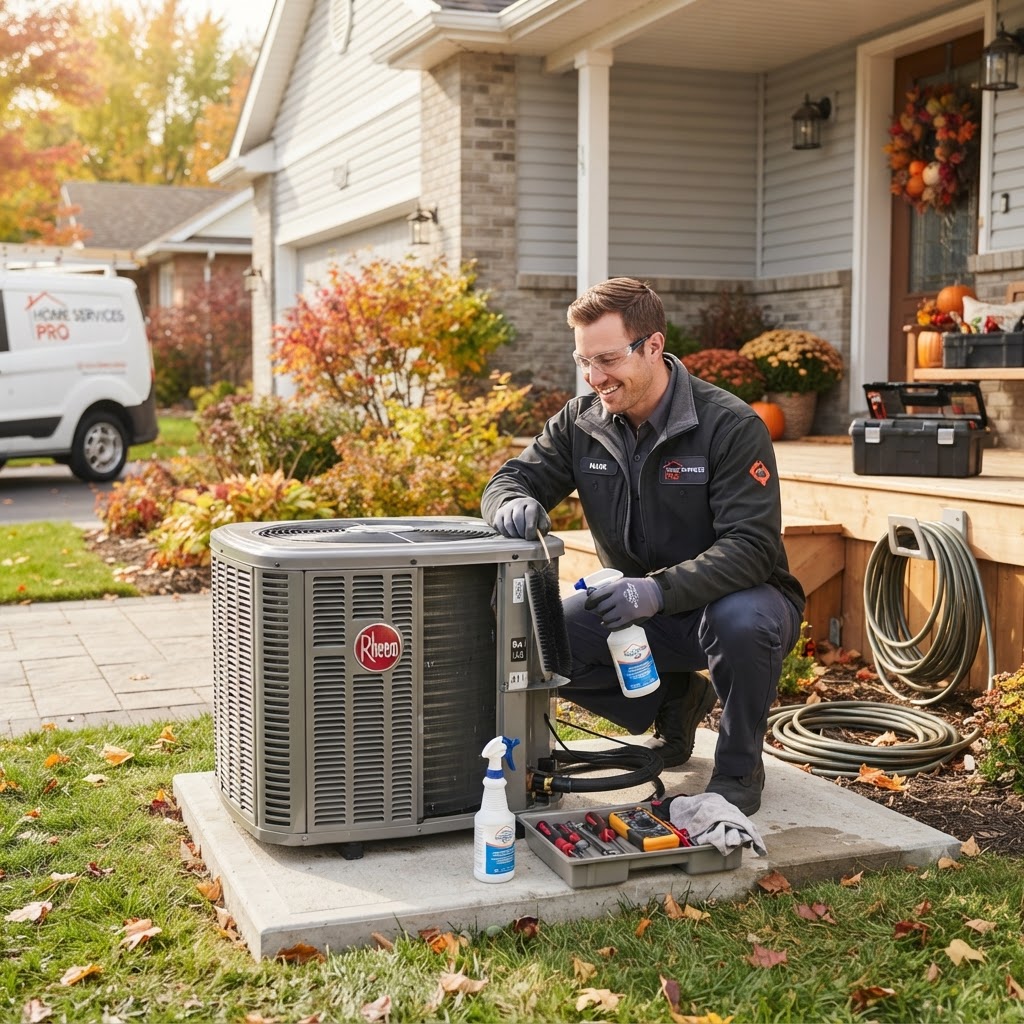
Imagine it is the hottest day of July or the most frigid night in January, and suddenly, the air from your vents stops flowing. It is more than just an inconvenience; it is a disruption to your family's safety and comfort. Most homeowners treat their HVAC system like a 'set it and forget it' appliance, but your heating and cooling system is a complex mechanical network that requires regular attention to thrive. Seasonal HVAC prep is the proactive strategy that separates the homeowners who face $4,000 emergency repairs from those who enjoy low utility bills and a system that lasts for decades. In this comprehensive guide, we will walk you through the essential steps to prepare your system for the demands of every season, helping you save money and breathe easier.
The Importance of Proactive Seasonal HVAC Maintenance
Your HVAC system is likely the most expensive and hardworking piece of equipment in your home. Much like a vehicle, it requires regular 'oil changes' and inspections to operate safely. When you engage in consistent seasonal HVAC prep, you aren't just cleaning filters; you are protecting a major investment. According to Energy Star, proper maintenance can significantly reduce energy use, which translates directly to lower monthly bills.
Beyond the financial savings, there is the matter of longevity. A neglected system works harder to achieve the same temperature, putting undue stress on the compressor and motor. This 'overwork' leads to premature failure. Furthermore, seasonal checks allow you to identify small issues—like a fraying belt or a leaking valve—before they escalate into catastrophic failures that leave you stranded in extreme weather. As you plan your year, consulting an essential home maintenance guide can help you integrate these HVAC tasks into your broader property care strategy.
Spring Prep: Getting Your Air Conditioning Ready for the Heat
When the flowers start blooming, it is time to think about the humidity and heat on the horizon. Your air conditioner has likely been dormant for months, and jumping straight into full-throttle cooling can shock the system. Start with the outdoor condenser unit. Throughout the winter, leaves, twigs, and debris may have accumulated around the base or inside the cage. Clear a two-foot 'no-fly zone' around the unit to ensure adequate airflow. If the fins are bent or clogged with cottonwood and dust, the heat exchange process will be stifled, forcing the unit to run longer cycles.
- Check the Condensate Line: This is a common source of summer water damage. Ensure the drain line isn't clogged with algae or debris. A simple cup of vinegar poured down the drain line can help keep it clear.
- Level the Pad: Over time, the ground beneath your condenser can shift. If the unit isn't level, the oil in the compressor may not lubricate properly, leading to mechanical failure.
- Test Before the Heatwave: Don't wait for a 90-degree day to turn on your AC for the first time. Run it for 15 minutes in early May to ensure it is actually blowing cold air.
Fall Prep: Ensuring Your Furnace is Safe and Efficient
As the leaves turn, your focus must shift from cooling to heating. This isn't just about comfort; it is about safety. Combustion-based heating systems (gas, oil, or propane) carry the risk of carbon monoxide leaks if they aren't properly maintained. The most critical part of fall prep is inspecting the heat exchanger. Over years of expanding and contracting, small cracks can develop, allowing dangerous gases to enter your home's airflow. If you aren't comfortable checking this yourself, it is wise to use a service like FIND-A-PRO to connect with a certified technician who can perform a camera inspection of the heat exchanger.
Other fall tasks include checking the pilot light or igniter for signs of wear and ensuring the flue pipe is clear of bird nests or obstructions. For those with heat pumps, fall is the time to check the defrost cycle, which prevents the outdoor coils from icing over during freezing temperatures. Ensuring your home's envelope is sealed by checking weatherstripping is also a vital part of seasonal prep that supports your HVAC system's efficiency.
The Air Filter Deep Dive: More Than Just a Mesh
If there is one 'DIY' task that has the biggest impact on your HVAC health, it is changing the air filter. A dirty filter is the number one cause of system breakdowns. When air can't pass through the filter, the blower motor works harder, the coils can freeze (in summer), or the heat exchanger can overheat (in winter). However, not all filters are created equal. You must understand the Minimum Efficiency Reporting Value (MERV) rating.
- MERV 1-4: Basic protection for the equipment, but does little for air quality.
- MERV 8-11: The 'sweet spot' for most residential homes, balancing air filtration with airflow.
- MERV 13+: High-efficiency filters that catch viruses and smoke, but may be too restrictive for older HVAC blowers.
During peak seasons, check your filter every 30 days. If you have pets or live in a dusty area, you may need to replace it more frequently than the standard 90-day recommendation. This simple habit can save you hundreds in unnecessary service calls.
Maximizing Efficiency with Smart Thermostat Settings
Modern seasonal HVAC prep involves more than just mechanical checks; it involves optimizing the software of your home. If you are still using a manual thermostat, you are likely wasting 10-15% on your energy bills. Switching to a programmable or 'smart' thermostat allows you to set seasonal schedules. In the summer, aim for 78 degrees when you are home and higher when you are away. In the winter, 68 degrees is the gold standard for efficiency. Smart thermostats can also alert you when it is time for a filter change or if the system is detecting unusual run times, acting as an early warning system for potential repairs.
When to DIY vs. When to Hire a Professional
While homeowners can handle cleaning debris and changing filters, some tasks are strictly for the professionals. Handling refrigerant, for example, requires EPA certification due to environmental regulations and the high pressure of the lines. Similarly, working with high-voltage electrical components or gas lines poses significant safety risks. A professional 'tune-up' typically includes checking refrigerant charge, tightening electrical connections, lubricating moving parts, and testing safety controls. If you are unsure about the credentials of a contractor, review our guide on how to hire a service professional to ensure you are getting a qualified technician. FIND-A-PRO simplifies this process by vetting local experts so you can book with confidence, knowing the job will be done right the first time.
Frequently Asked Questions About Seasonal HVAC Prep
Q: What is seasonal HVAC prep and why is it necessary?
A: Seasonal HVAC prep is a biannual maintenance routine performed in the spring and fall. It ensures that the system is clean, safe, and mechanically sound before the peak demand of summer and winter. It is necessary to prevent breakdowns, lower energy costs, and extend the lifespan of the equipment.
Q: How often should I have a professional inspect my HVAC system?
A: It is recommended to have a professional inspection twice a year: once for the cooling system in the spring and once for the heating system in the fall. This cadence ensures each component is ready for its specific workload.
Q: Can I skip maintenance if my system is relatively new?
A: No. In fact, many manufacturer warranties require proof of annual professional maintenance to remain valid. Skipping prep on a new system could cost you thousands if a major component fails and the manufacturer denies the claim due to neglect.
The Real Cost of Neglect: A Cautionary Tale
Consider the story of a homeowner who skipped their spring AC prep. Over the winter, a small colony of ants built a nest inside the electrical contactor of the outdoor unit. When the first hot day arrived and the thermostat called for cooling, the contactor tried to engage, but the debris caused it to arc and weld shut. This didn't just break the $100 contactor; it caused a power surge that fried the $2,000 compressor. A simple 10-minute visual inspection and cleaning during a seasonal prep routine would have caught the nest and saved the homeowner a massive repair bill. This is why seasonal HVAC prep isn't just a suggestion—it is a financial strategy.
Key Takeaways
Maintaining a comfortable home shouldn't be a matter of luck. By following a consistent seasonal HVAC prep routine, you take control of your home's climate and your financial well-being. From the simple task of swapping out an air filter to the more technical aspects of furnace safety, every action you take adds years to your system's life. Remember that you don't have to do it all alone. Whether you need a simple spring tune-up or a complex winter repair, FIND-A-PRO is your trusted resource for connecting with highly-rated, local HVAC professionals. Take the time today to prepare your system, and you'll enjoy peace of mind no matter what the thermometer says outside.
