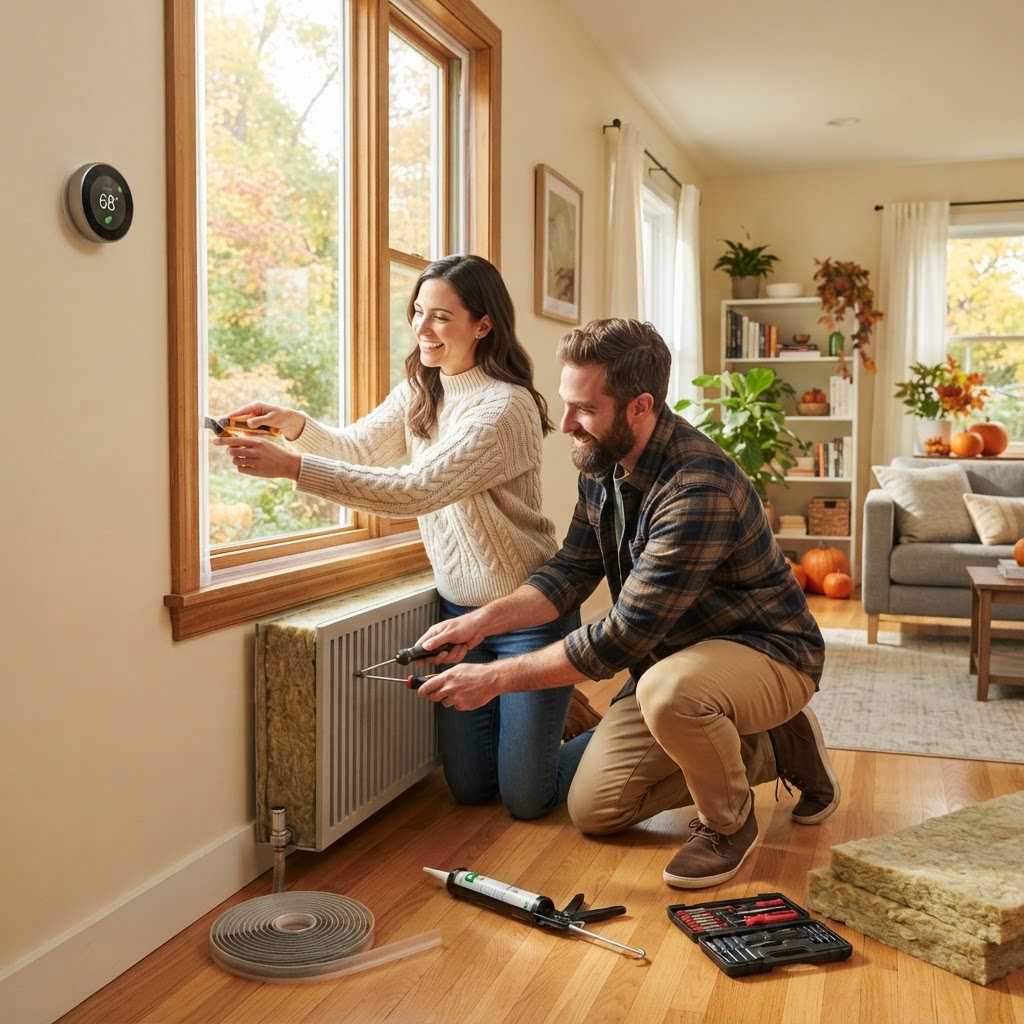
For many homeowners, the arrival of a new season brings more than just a change in weather; it brings the dreaded spike in utility bills. Whether it is the sweltering humidity of summer or the bone-chilling drafts of winter, your home's energy systems work overtime to keep you comfortable. However, achieving significant seasonal energy savings is not about making massive sacrifices or living in discomfort. Instead, it is about strategic, proactive maintenance and smart upgrades that ensure your home operates at peak efficiency year-round. In this comprehensive guide, we will break down exactly how you can audit your home, implement high-impact changes, and work with the right experts to keep your hard-earned money from literally flying out the window.
Spring: Setting the Foundation for Summer Efficiency
Spring is the ideal time to transition your home from the heating season to the cooling season. As the ground thaws and temperatures stabilize, your primary goal should be a thorough inspection of your cooling systems and the integrity of your home's envelope. The most critical task is scheduling an HVAC tune-up. Dust and debris can accumulate in your outdoor condenser unit over the winter, forcing the motor to work harder and consume more electricity. A professional technician can clean the coils, check refrigerant levels, and ensure that all electrical components are functioning safely.
Beyond the HVAC system, spring is the perfect time for air sealing. According to Energy Star, sealing air leaks and adding insulation can save homeowners an average of 15% on heating and cooling costs. Focus on the attic and basement first, as these are the areas where the most significant heat transfer occurs. Use caulk or weatherstripping to seal gaps around windows and doors that may have expanded or contracted during the winter. If you are unsure where to start, consulting our essential home maintenance guide can provide a structured checklist to ensure no corner of your home is overlooked.
- Change your air filters every 30 to 90 days.
- Clean out gutters to prevent moisture buildup near the foundation.
- Check the attic for signs of compressed insulation or moisture damage.
Summer: Defeating the Heat Without Breaking the Bank
When the summer sun is at its peak, your home becomes a heat magnet. The key to seasonal energy savings in the summer is heat mitigation—keeping the heat out so your air conditioner does not have to fight an uphill battle. One of the most effective methods is managing solar gain through your windows. High-quality blinds, cellular shades, or even blackout curtains can block up to 75% of solar heat gain when closed during the hottest parts of the day. This simple habit can drastically reduce the load on your AC unit.
Another expert tip is to utilize ceiling fans correctly. During the summer, ensure your fans are rotating counter-clockwise to create a downdraft that provides a cooling breeze. Keep in mind that fans cool people, not rooms, so be sure to turn them off when you leave the area. For those looking to take a more high-tech approach, installing a smart thermostat is a game-changer. These devices learn your schedule and adjust the temperature when you are away or asleep, ensuring you are not paying to cool an empty house. If the technical aspect of installation seems daunting, you can easily use FIND-A-PRO to connect with a verified electrician or HVAC specialist who can set it up for you in minutes.
Fall: Preparing for the Big Freeze
Fall is often the shortest season, but it is the most critical window for winter preparation. Before the first frost hits, you must address your heating system. Just as you tuned up your AC in the spring, your furnace or heat pump needs a professional inspection in the fall. A technician will check for cracked heat exchangers—a major safety hazard—and ensure the burners are clean for maximum fuel efficiency. If your system is more than 15 years old, fall is the best time to consider a replacement rather than waiting for a total breakdown in January.
While the technician is there, have them inspect your ductwork. Leaky ducts can lose up to 30% of the air passing through them, meaning you are paying for heat that never reaches your living space. Mastic sealant or specialized metal-backed tape is far superior to standard 'duct tape' for these repairs. Additionally, don't forget the 'chimney effect.' Warm air rises and escapes through the top of your house, pulling cold air in through the bottom. Sealing gaps around plumbing stacks and recessed lighting in the attic can stop this cycle and significantly improve comfort. If you are hiring a professional for these tasks, make sure you know how to hire a service professional to ensure they are licensed and insured.
- Reverse ceiling fan direction to clockwise to push warm air down.
- Install foam gaskets behind outlet and switch plates on exterior walls.
- Service your water heater by flushing out sediment to maintain efficiency.
Winter: Maximizing Heat Retention and Safety
In the depths of winter, energy efficiency becomes a matter of both cost and comfort. If you find yourself shivering even when the thermostat is set to 70 degrees, you likely have a draft problem. Heavy-duty plastic window film is an inexpensive DIY solution that creates an extra insulating air pocket. For a more permanent solution, consider installing storm windows or upgrading to double-pane low-E glass windows. While the upfront cost is higher, the long-term seasonal energy savings are substantial.
Lighting also plays a role in your winter energy consumption. With shorter days, you likely have your lights on for much longer periods. If you haven't already, switch all high-usage bulbs to LEDs. They use at least 75% less energy and last 25 times longer than incandescent lighting. Furthermore, be mindful of your water heater. It is typically the second-largest energy expense in the home. Turning the temperature down to 120 degrees Fahrenheit is usually sufficient for most households and prevents unnecessary energy loss from 'standby' heating. If you notice your furnace is struggling to keep up, FIND-A-PRO is a reliable resource for finding emergency HVAC repair services that are vetted for quality and reliability.
The Long-Term Impact of Attic Insulation and Ventilation
If there is one 'silver bullet' for seasonal energy savings, it is attic insulation. Many older homes were built with insulation levels that are far below modern standards. Adding blown-in cellulose or fiberglass batts to reach an R-value of R-49 or R-60 (depending on your climate) can transform your home's thermal performance. However, insulation must be paired with proper ventilation. Without adequate soffit and ridge vents, moisture can become trapped in the attic, leading to mold growth and wood rot. This is a delicate balance that often requires a professional's touch to ensure that your energy-saving efforts don't inadvertently cause structural issues down the line.
Frequently Asked Questions About Seasonal Energy Savings
A: While every home is different, air sealing and upgrading attic insulation typically offer the highest return on investment. By stopping the 'stack effect' where air escapes through the top of the home, you significantly reduce the workload on your HVAC system.
Q: Are energy audits worth the cost?A: Absolutely. A professional energy audit uses tools like blower door tests and thermal imaging to identify exactly where your home is losing energy. Many utility companies offer these audits for free or at a discounted rate, and they provide a roadmap for the most effective upgrades.
Q: How much can a smart thermostat actually save me?A: On average, homeowners save about 8% on their annual heating and cooling bills, which equates to roughly $50 to $100 per year. The device usually pays for itself within two seasons through automated energy management.
Q: Should I leave my HVAC fan on 'Auto' or 'On'?A: You should almost always leave it on 'Auto.' The 'On' setting keeps the fan running constantly, which uses significantly more electricity and can actually increase humidity levels in your home during the summer.
Key Takeaways
Achieving lasting seasonal energy savings is not a one-time event, but an ongoing commitment to home maintenance and smart choices. By addressing the specific challenges of each season—from spring HVAC tune-ups to winter draft sealing—you can create a home that is both comfortable and cost-effective. Remember that while many of these tasks are DIY-friendly, complex systems like furnaces, electrical panels, and insulation upgrades often require expert intervention. When you are ready to take the next step in optimizing your home, use FIND-A-PRO to connect with highly-rated, local professionals who can help you turn these energy-saving tips into a reality. Start small, stay consistent, and enjoy the benefits of a lower utility bill and a more sustainable lifestyle.
