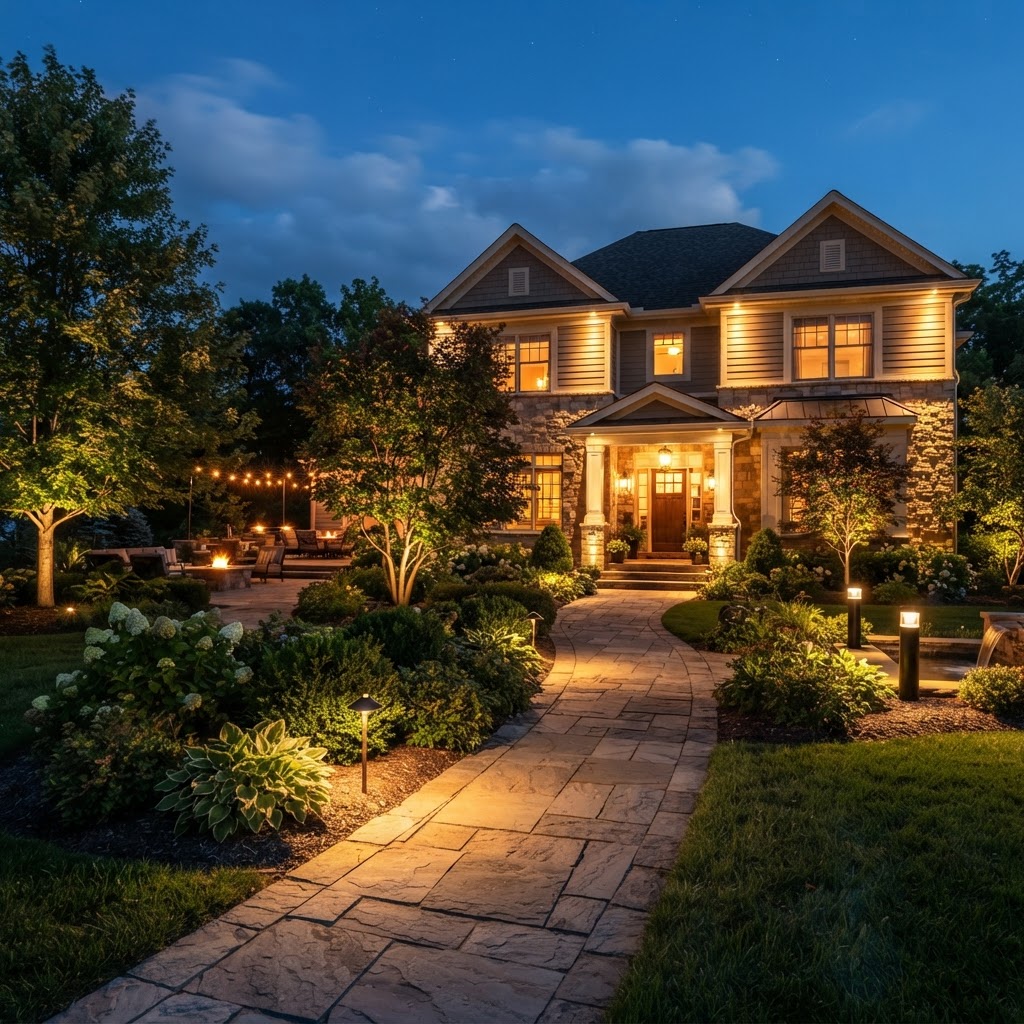
Your home doesn't have to disappear the moment the sun goes down. With the right landscape lighting design, you can transform your outdoor space into a breathtaking extension of your living area, enhancing both its beauty and its security. Whether you want to highlight the architectural details of your home, create a cozy atmosphere for evening gatherings, or simply ensure your pathways are safe to navigate, a well-planned lighting scheme is the secret ingredient. In this guide, we will walk you through the fundamentals of professional lighting design, helping you understand how to layer light, choose the right fixtures, and create a cohesive look that elevates your property’s curb appeal.
The Art of Layering: Understanding Lighting Techniques
Just like interior design, successful landscape lighting relies on a layered approach. You shouldn't just flood your yard with light; you should curate it. According to the Illuminating Engineering Society (ANSI/IES RP-47-32), a layered design approach—incorporating task, ambient, and accent lighting—is essential for creating balance and unity in an outdoor scene.
- Uplighting: This is the gold standard for highlighting trees, statues, or architectural features. By placing a fixture at the base and aiming it upward, you create drama and depth.
- Downlighting (Moonlighting): By mounting fixtures high in trees or on structures, you can mimic the soft, dappled effect of moonlight filtering through branches.
- Path Lighting: Essential for safety, these fixtures should be placed to define walkways without creating a 'runway' effect. Use fixtures with caps to direct light downward, preventing glare.
- Wall Washing and Grazing: These techniques use light to highlight the texture of stone walls or siding, adding a sophisticated, high-end feel to your home's exterior.
For more advice on managing your home projects, check out our essential home maintenance guide to ensure your property stays in top shape year-round.
Design Considerations: Matching Light to Your Home
One of the biggest mistakes homeowners make is copying a neighbor's lighting design. Your landscape is unique, and your lighting should be too. A modern home with clean lines benefits from subtle, minimalist fixtures, while a traditional home often looks best with warm-toned, classic lanterns. The goal is to complement the architecture, not compete with it.
When planning your layout, consider the following:
- Color Temperature: Stick to warm tones (typically 2700K to 3000K) for a welcoming, residential feel. Avoid harsh, blue-tinted 'daylight' bulbs, which can make a yard feel sterile.
- Fixture Placement: Think about the view from inside your home. You want to draw the eye to focal points like a beautiful oak tree or a water feature, rather than staring directly into a bright bulb.
- Future Growth: Remember that your plants will grow. A professional designer will account for the mature size of your shrubs and trees so that your lighting remains effective years down the road.
If you are unsure where to start, learning how to hire a service professional is a great first step to ensure you get the expertise needed for a complex installation.
Safety and Installation: DIY vs. Professional
While low-voltage systems are often marketed as DIY-friendly, the reality is that professional installation ensures longevity and safety. According to the Environmental Protection Agency and various safety standards, all outdoor equipment must be specifically rated for exterior use to prevent electrical hazards. High-voltage (120V) systems, in particular, should always be handled by a licensed electrician to comply with local building codes.
Professional installers bring more than just tools; they bring an eye for design and the technical knowledge to bury cables properly, protect irrigation lines, and balance the electrical load across your system. While a DIY project might save money upfront, a professional system is an investment in your home's value and safety.
Frequently Asked Questions
Q: Do I need an electrician for landscape lighting?
A: For low-voltage (12V) systems, you may not need a licensed electrician, but for high-voltage (120V) systems, it is mandatory to ensure compliance with safety codes.
Q: How much does professional landscape lighting cost?
A: Costs vary based on the size of the property and the complexity of the design, but a mid-sized professional installation typically ranges from $2,000 to $6,000.
Q: Can I mix different lighting techniques?
A: Absolutely. In fact, mixing techniques like uplighting, path lighting, and wall washing is exactly how professionals create a dynamic, layered look that adds depth to your yard.
Key Takeaways
Landscape lighting is more than just an aesthetic upgrade; it is a functional investment that enhances your home's security, usability, and curb appeal. By focusing on layering, choosing the right color temperatures, and respecting the unique architecture of your property, you can create an outdoor environment that shines long after the sun sets. If you are ready to bring your vision to life, FIND-A-PRO is your go-to resource for connecting with verified, experienced local professionals who can handle the design and installation with precision. Don't settle for a dark backyard—let the experts help you illuminate your home today.
