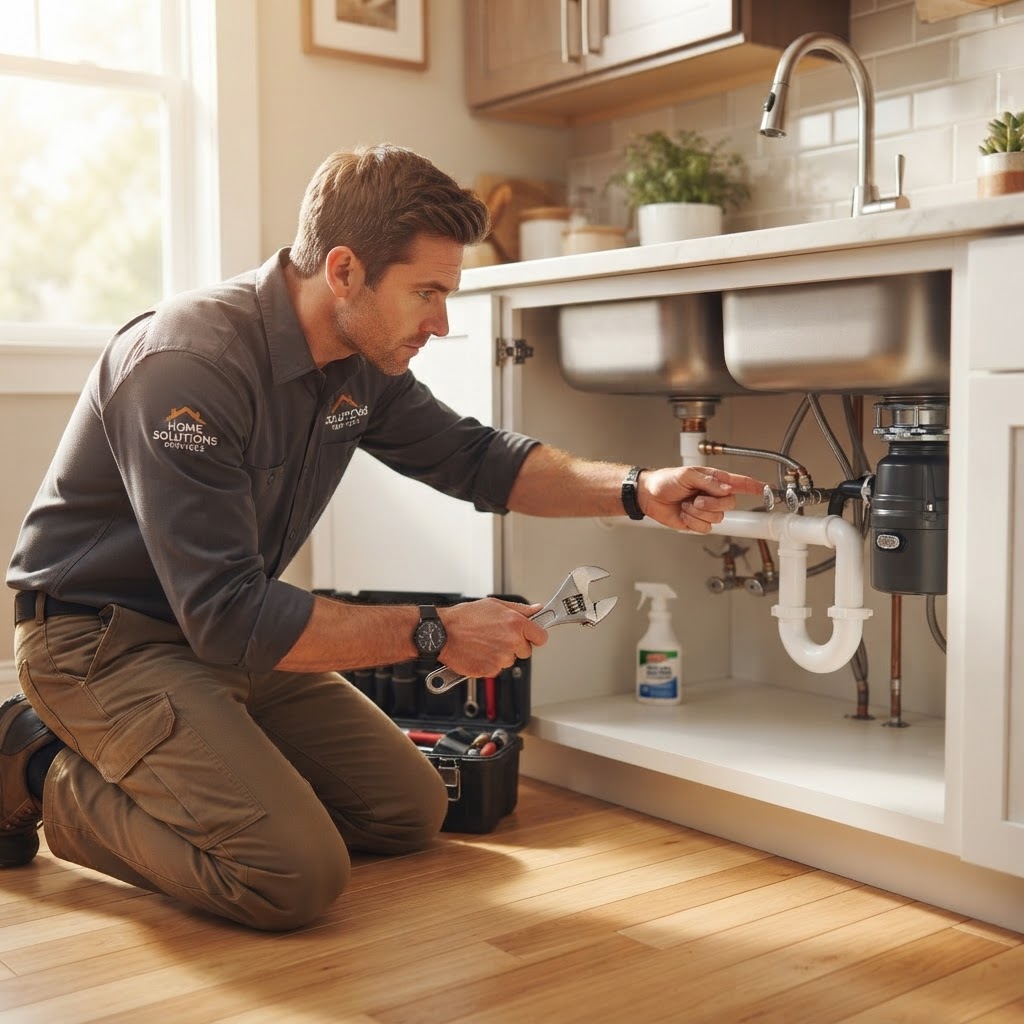
There is nothing quite as frustrating as stepping into the shower only to be met with a weak, pathetic trickle of water. Low water pressure is a common household headache that can turn simple daily tasks—like washing dishes or brushing your teeth—into a test of patience. While it is easy to assume the worst, understanding the root cause of your water pressure woes is the first step toward restoring a steady, powerful flow. In this guide, we will walk you through the most frequent culprits behind low water pressure and help you determine whether you can handle the fix yourself or if it is time to bring in a verified expert through FIND-A-PRO.
Is the Problem Isolated or Widespread?
Before you start tearing into your plumbing, you need to diagnose the scope of the issue. The most important question to ask is: Is the low pressure happening at only one fixture, or is it affecting the entire house?
- Isolated Issues: If only one sink or showerhead is affected, the problem is likely localized to that specific fixture. This is often caused by a clogged aerator or a faulty showerhead.
- Widespread Issues: If every tap in your home is experiencing low pressure, the problem lies deeper in your plumbing system, such as the main shutoff valve, the pressure regulator, or even a municipal supply issue.
If you suspect a municipal issue, check with your neighbors. If they are also experiencing low pressure, contact your local water utility provider immediately. For more tips on maintaining your home's systems, check out our essential home maintenance guide.
Common Culprits: Why Your Water Pressure Dropped
Once you have determined the scope, it is time to look at the usual suspects. According to industry experts, mineral buildup is one of the most common causes of low water pressure, particularly in homes with hard water. Over time, calcium and magnesium deposits can accumulate inside your pipes, effectively shrinking their diameter and restricting flow.
Another frequent issue is a faulty water pressure regulator. This device is designed to maintain a consistent, safe pressure for your home. If it fails, it can cause your pressure to drop significantly or fluctuate wildly. Additionally, hidden leaks can divert water away from your fixtures. If your water meter continues to spin even when all faucets are turned off, you likely have a leak that requires immediate professional attention.
For a deeper look at how to manage your home's efficiency, you can review the EPA WaterSense guidelines for tips on water conservation and system health.
DIY Troubleshooting vs. Professional Help
Some issues are simple enough for a DIY enthusiast to handle. For example, cleaning a clogged aerator involves unscrewing the tip of your faucet and soaking it in vinegar to dissolve mineral deposits. However, more complex issues—such as replacing a pressure regulator or addressing corroded, aging pipes—require specialized tools and expertise.
If you have attempted basic troubleshooting and the problem persists, do not risk causing further damage to your home's infrastructure. Amateur plumbing repairs often lead to leaks or improper pipe sizing, which can exacerbate pressure issues. When you need a reliable, licensed expert, you can use FIND-A-PRO to connect with verified local professionals who have the experience to diagnose and resolve your plumbing problems correctly the first time.
Frequently Asked Questions (FAQ)
Q: Why is the water pressure low in my whole house?
A: Common causes include a partially closed main shutoff valve, a clogged whole-home water filter, a failing pressure regulator, or an issue with the municipal water supply.
Q: Can a clogged filter cause low pressure?
A: Yes. If you have a whole-home water filtration system, the filter cartridge may be clogged with sediment, which significantly restricts water flow to every tap in the house.
Q: When should I stop DIY efforts and call a plumber?
A: You should call a professional if you notice signs of a major leak (like wet spots or a running meter), if the pressure drop was sudden and severe, or if you have already tried basic fixes like cleaning aerators without success.
Key Takeaways
Low water pressure is more than just an inconvenience; it can be a sign of underlying issues like pipe corrosion or hidden leaks that could lead to costly damage if left unaddressed. By performing simple checks—like inspecting your aerators and checking with neighbors—you can often narrow down the cause. However, when the problem is complex or persistent, it is best to rely on the expertise of a licensed plumber. Don't let a weak flow disrupt your home life; use FIND-A-PRO to quickly connect with a verified local professional who can restore your water pressure and give you peace of mind.
