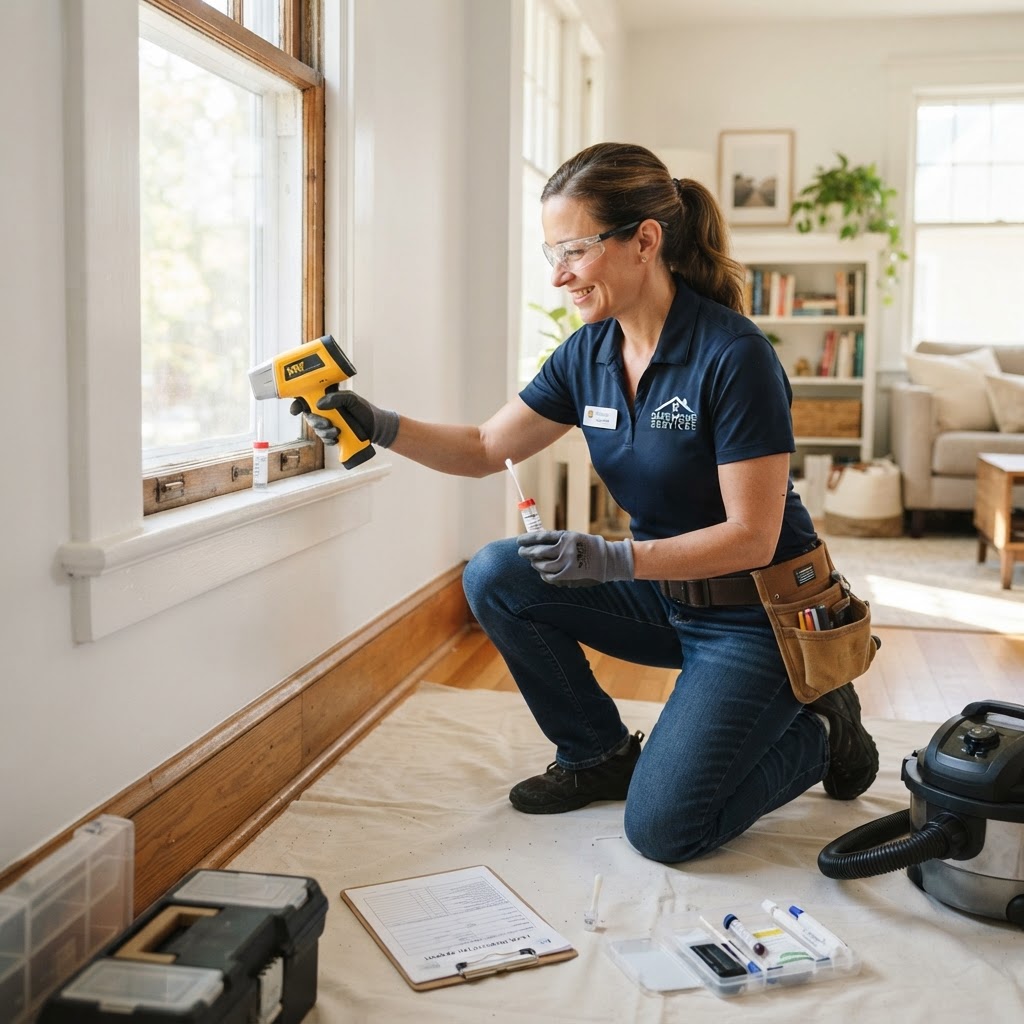
If you own or are planning to renovate a home built before 1978, you are likely dealing with a hidden hazard: lead-based paint. While it may seem like a simple cosmetic issue, disturbing old paint during repairs or renovations can release toxic lead dust, posing serious health risks to your family—especially young children and pregnant women. At FIND-A-PRO, we believe that safety is the foundation of every successful home project. This guide will walk you through everything you need to know about identifying, managing, and safely handling lead paint to ensure your home remains a healthy environment.
Why Lead Paint Safety Matters
Lead is a highly toxic metal that was commonly used in residential paint until it was banned for consumer use in 1978. While intact lead paint is generally not a hazard, the danger arises when that paint begins to peel, chip, or is disturbed during home improvement projects. When you sand, scrape, or demolish surfaces in older homes, you create microscopic lead dust that is easily inhaled or ingested.
According to the Environmental Protection Agency (EPA), lead exposure can cause significant health issues, including learning disabilities, behavioral problems, and speech delays in children. Because lead dust is invisible to the naked eye, it is easy to track throughout a home, making it a silent threat that requires proactive management.
Identifying Lead Paint: Testing Before You Start
Before you pick up a sander or a scraper, you must determine if lead is present. You cannot identify lead paint by sight alone. The most reliable way to assess your home is to hire a certified lead-based paint inspector or risk assessor. These professionals use specialized equipment, such as an X-Ray Fluorescence (XRF) analyzer, to test surfaces without damaging them.
- Professional Testing: A certified inspector provides a surface-by-surface report, giving you a clear roadmap for your project.
- Avoid DIY Kits: While over-the-counter test kits exist, the EPA recommends professional assessment for the most accurate results, especially before major renovations.
If you are unsure where to start, you can use FIND-A-PRO to connect with licensed, verified contractors who specialize in lead-safe practices and testing.
The RRP Rule: What Homeowners and Pros Need to Know
If you are hiring a contractor for a project that disturbs painted surfaces in a pre-1978 home, you must ensure they are RRP (Renovation, Repair, and Painting) certified. The EPA’s RRP Rule requires that contractors follow specific lead-safe work practices to prevent the spread of dust.
Key requirements for RRP-certified professionals include:
- Containing the work area to prevent dust from migrating to other rooms.
- Using HEPA-filtered vacuums to capture fine particles.
- Prohibiting dangerous practices like open-flame burning or dry sanding.
- Performing thorough post-project cleaning to ensure the area is safe for occupancy.
Always ask to see your contractor's certification before work begins. If they cannot provide it, they are not legally equipped to handle your project safely.
Practical Lead-Safe Work Practices
If you are performing minor maintenance, you must prioritize containment. The goal is to keep dust from becoming airborne. Work wet whenever possible; using a misting bottle or wet sanding sponges significantly reduces the amount of dust generated. Never use heat guns or high-speed sanders without proper containment and HEPA filtration.
Essential Safety Checklist:
- Personal Protective Equipment (PPE): Wear disposable gloves, shoe covers, and a respirator with an N100 filter if you are creating dust.
- Containment: Seal off the work area with heavy-duty plastic sheeting and tape.
- Hygiene: Never eat, drink, or smoke in the work area. Wash your hands and face thoroughly before leaving the site.
- Cleanup: Use a HEPA vacuum—not a standard household vacuum—to clean up debris. A regular vacuum will simply blow fine lead dust back into the air.
Frequently Asked Questions (FAQ)
Q: Can I just paint over lead paint?
A: Yes, if the paint is in good condition, you can encapsulate it with a new layer of paint. However, you must ensure the surface is stable. If the paint is peeling or cracking, you must address the underlying issue first, which often requires professional intervention.
Q: How do I know if my contractor is qualified?
A: Ask for their EPA RRP certification. You can also use FIND-A-PRO to find local professionals who have been vetted for their expertise in lead-safe renovation.
Q: Is it safe to live in a house with lead paint?
A: Yes, as long as the paint is intact and not peeling. The danger occurs when the paint is damaged or disturbed. Regular cleaning with a damp cloth and a HEPA vacuum can help keep dust levels low.
Key Takeaways
Managing lead paint safety is a critical responsibility for any homeowner or service professional working on older properties. By testing early, hiring RRP-certified contractors, and strictly following containment protocols, you can successfully renovate your home without compromising your family's health. Remember, when it comes to lead, there is no room for shortcuts. If you are ready to start your next project, use FIND-A-PRO to connect with verified, experienced professionals who prioritize safety and quality in every job they perform.
