As the temperature drops, the last thing any homeowner wants to deal with is the sound of a pipe bursting behind a wall. Frozen pipes are one of the most common and destructive winter hazards, often leading to thousands of dollars in water damage. The good news is that most of these disasters are entirely preventable with a bit of preparation and proactive maintenance. In this guide, we will walk you through the essential steps to protect your home’s plumbing system, ensuring you stay warm and dry all season long.
Why Do Pipes Freeze and Why Does It Matter?
When water freezes, it expands. This simple physical reaction is the primary cause of pipe bursts. As the ice forms, it creates immense pressure within the pipe, which can cause metal or plastic lines to crack or split. When the ice eventually melts, that pressurized water escapes, leading to flooding that can ruin floors, ceilings, and furniture.
Pipes most at risk are those located in unheated areas, such as basements, crawl spaces, attics, and garages. Additionally, pipes running along exterior walls are highly susceptible because they are exposed to the coldest temperatures. Understanding your home's layout is the first step in our essential home maintenance guide.
Proactive Steps to Prevent Frozen Pipes
You don't need to be a master plumber to protect your home. Here are the most effective, actionable steps you can take today:
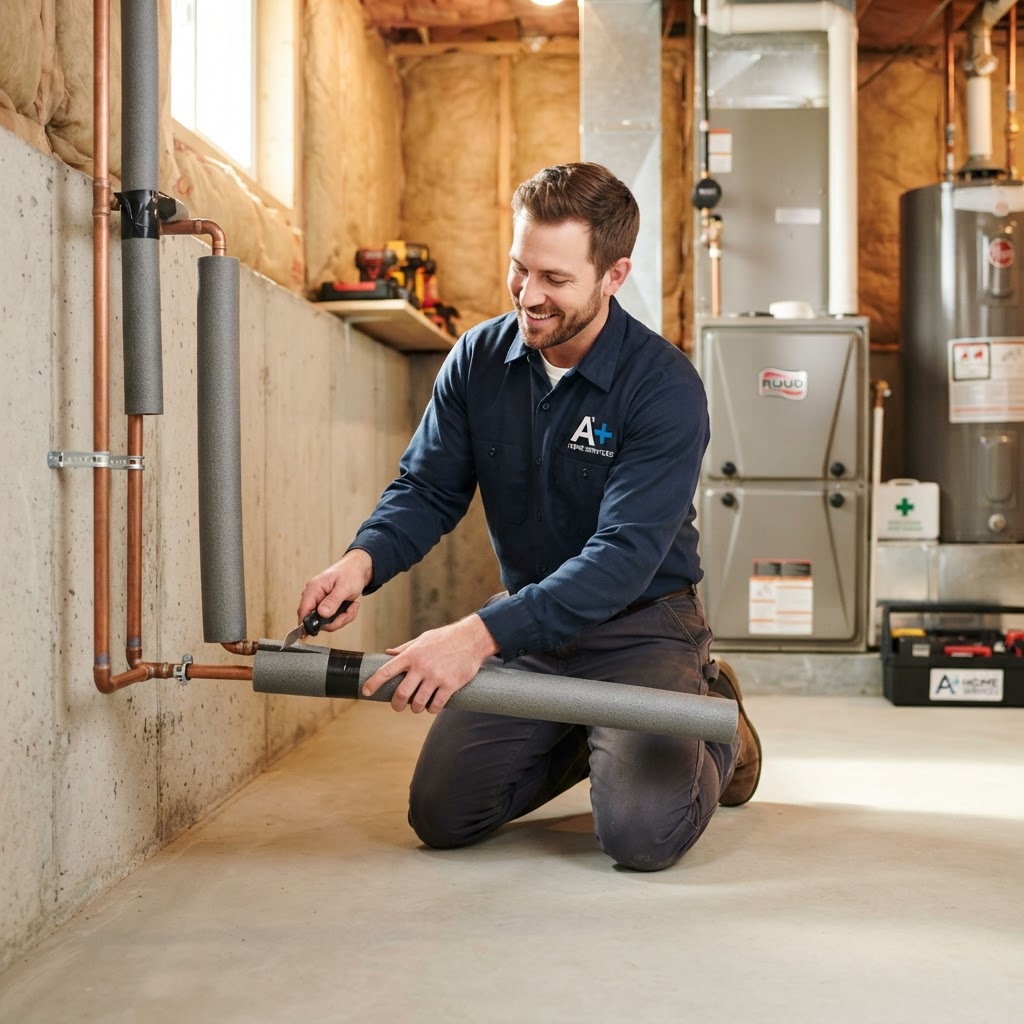
- Insulate Exposed Pipes: Use foam pipe insulation or heat tape on pipes in unheated areas. This is an inexpensive way to add a layer of protection against the cold.
- Let Faucets Drip: During extreme cold snaps, keep a faucet served by exposed pipes running at a very slow trickle. Moving water is much harder to freeze than stagnant water.
- Open Cabinet Doors: Open kitchen and bathroom cabinet doors to allow warmer household air to circulate around the plumbing, especially if those pipes are located on an exterior wall.
- Maintain Consistent Heat: Never turn your thermostat down too low when you are away. Keep your home at a minimum of 55°F to ensure the ambient temperature remains high enough to protect your pipes.
- Seal Air Leaks: Use caulk or spray foam to seal gaps around pipes where they enter the home from the outside. Cold drafts are a major contributor to localized freezing.
For more complex winterization needs, you can always find a verified local professional through FIND-A-PRO to inspect your system before the first freeze hits.
How to Safely Thaw a Frozen Pipe
If you turn on a faucet and only a trickle comes out, you may have a frozen pipe. According to the American Red Cross, you should act quickly but safely. Keep the faucet open as you work; as the ice melts, the water flow will help clear the remaining blockage.
Safe Thawing Methods:
- Electric Heating Pad: Wrap it around the pipe section.
- Hair Dryer: Use a standard hair dryer to gently warm the pipe.
- Warm Towels: Wrap the pipe in towels soaked in hot water.
Important Safety Warning: Never use an open flame, such as a blowtorch, kerosene heater, or charcoal stove, to thaw pipes. These create a significant fire hazard. If you cannot locate the frozen section or if the pipe is inaccessible, call a licensed plumber immediately.
Frequently Asked Questions (FAQ)
Q: Should I shut off my water if I'm going on vacation?
A: Yes, if you are leaving for an extended period during winter, it is a smart precaution to shut off your main water supply and drain the system to prevent major flooding if a pipe bursts.
Q: How do I know if a pipe is frozen?
A: Common signs include a lack of water flow, frost on the exterior of the pipe, or strange smells coming from your drains.
Q: Can I use boiling water to thaw a pipe?
A: No. Using boiling water can cause the pipe to crack due to sudden thermal shock. Stick to warm, damp towels or gentle heat sources like a hair dryer.
Key Takeaways
Preventing frozen pipes is all about preparation and vigilance. By insulating your pipes, keeping your home heated, and knowing how to react when temperatures plummet, you can save yourself from the stress and expense of water damage. If you ever feel overwhelmed or suspect a pipe has already sustained damage, don't hesitate to use FIND-A-PRO to connect with a trusted, verified local professional who can secure your home's plumbing system before a minor issue becomes a major emergency.
