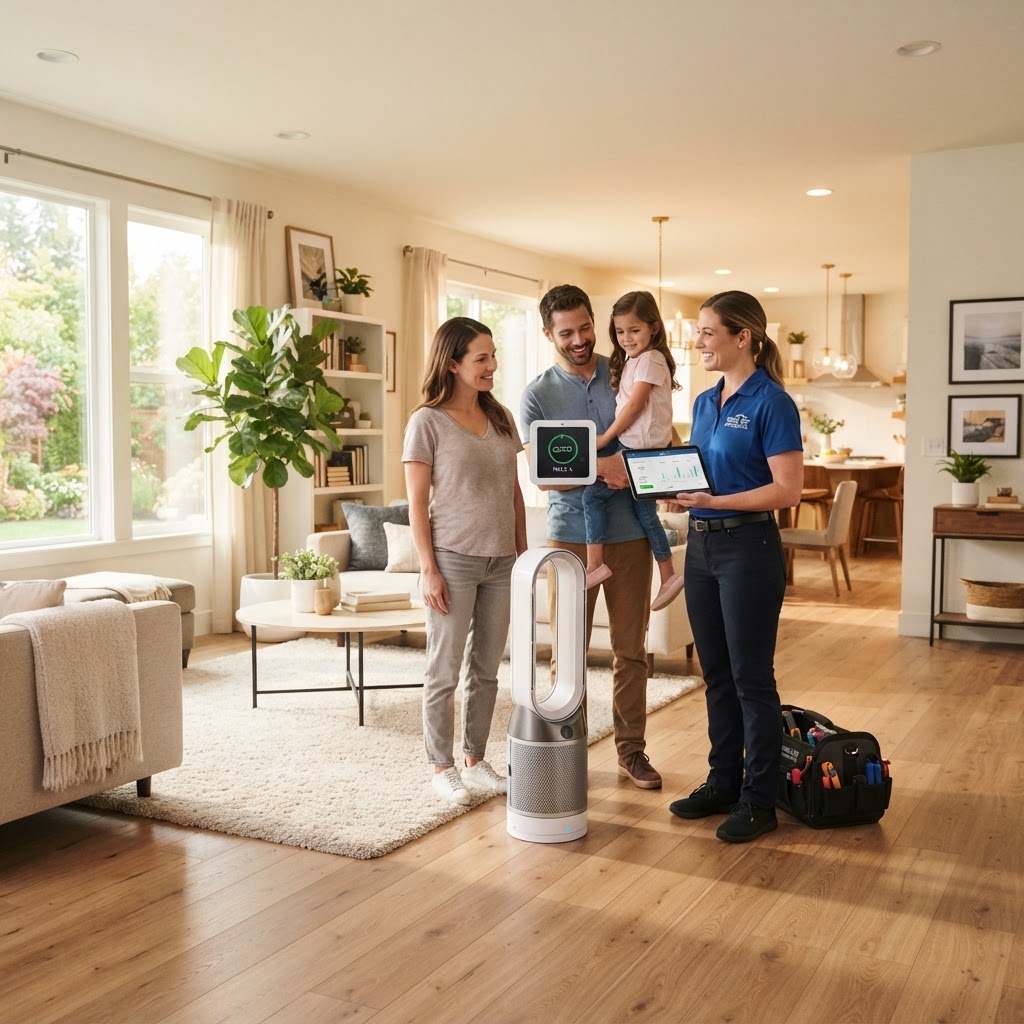
We spend nearly 90% of our time indoors, yet we rarely stop to consider the quality of the air we are breathing. From dust mites and pet dander to volatile organic compounds (VOCs) and wildfire smoke, the air inside your home can often be more polluted than the air outside. Improving your indoor air quality (IAQ) isn't just about comfort; it is a vital step in protecting your family’s long-term health. Whether you are dealing with seasonal allergies or simply want a fresher living environment, this guide provides actionable, professional-grade strategies to help you breathe easier.
Understanding the Sources of Indoor Air Pollution
Before you can fix the air, you need to know what is contaminating it. Indoor air pollution typically stems from three main categories: biological contaminants (mold, pollen, dander), chemical pollutants (cleaning products, paints, VOCs), and combustion byproducts (gas stoves, fireplaces, tobacco smoke). According to the Environmental Protection Agency (EPA), source control is the most effective way to improve IAQ. This means identifying and removing the culprits at their origin rather than just trying to filter them out later.
- Limit Chemical Exposure: Switch to low-VOC paints and natural cleaning supplies.
- Stop Indoor Smoking: Tobacco smoke introduces thousands of harmful chemicals that linger on surfaces and in the air.
- Manage Moisture: Mold thrives in damp environments. Fix leaks immediately and use exhaust fans in bathrooms and kitchens to prevent moisture buildup.
Optimizing Your HVAC System for Better Air
Your HVAC system is the lungs of your home. If it isn't maintained, it can actually circulate pollutants throughout your living space. The first step is simple: change your air filters regularly. Most homes should swap filters every 60–90 days, but if you have pets or suffer from allergies, you may need to do this monthly. Look for filters with a higher MERV rating (MERV 11–13) to capture smaller particles like bacteria and smoke.
Beyond filters, consider professional HVAC upgrades. Installing a whole-home air purification system or a high-efficiency heat pump can significantly reduce energy consumption while scrubbing the air of contaminants. If you are unsure about your system's capacity or need a professional assessment, you can use FIND-A-PRO to connect with verified local HVAC technicians who can inspect your ductwork and filtration setup.
The Power of Ventilation and Humidity Control
Stagnant air is a breeding ground for pollutants. Proper ventilation is essential, but it must be strategic. On days when outdoor air quality is high, opening windows for a few minutes can flush out stale indoor air. However, always use your kitchen range hood and bathroom exhaust fans to vent moisture and cooking fumes directly outside.
Humidity control is equally critical. Keeping your home’s relative humidity between 30% and 50% is the 'sweet spot' for preventing the growth of mold and dust mites. If your home feels damp, a dehumidifier can be a game-changer. For more tips on maintaining your home's systems, check out our Essential Home Maintenance Guide to ensure your equipment is running at peak efficiency.
Air Purification and Natural Solutions
When source control and ventilation aren't enough, air purifiers provide an extra layer of defense. For the best results, choose a unit with a True HEPA filter, which is capable of capturing 99.97% of airborne particles, including pollen, dust, and smoke. Place these units in high-traffic areas like bedrooms or living rooms where you spend the most time.
Additionally, while they shouldn't replace mechanical filtration, certain indoor plants like ferns and palms can help freshen the air and improve your home's aesthetic. Remember, the goal is a multi-layered approach: clean the air, control the source, and maintain your equipment.
Frequently Asked Questions (FAQ)
Q: What is the fastest way to improve indoor air quality?
A: Start by running your exhaust fans while cooking or showering, replace your HVAC filter with a high-efficiency MERV-13 version, and set up a HEPA air purifier in your main living area.
Q: How often should I have my HVAC system professionally inspected?
A: It is recommended to have a professional tune-up at least once a year. If you notice persistent odors, visible mold, or if your allergy symptoms worsen, you should book an indoor air quality inspection immediately.
Q: Can I improve air quality without buying expensive equipment?
A: Yes. Focus on source control: reduce the use of synthetic fragrances, keep your home clean to minimize dust, and manage humidity levels to prevent mold growth.
Key Takeaways
Improving your indoor air quality is a journey, not a one-time task. By controlling pollution sources, maintaining your HVAC system, and utilizing the right filtration technology, you can create a healthier, more comfortable sanctuary for your family. If you find that your home still feels 'stuffy' or you suspect hidden issues like mold or poor ventilation, don't hesitate to reach out for expert help. You can use FIND-A-PRO to connect with verified local professionals who specialize in indoor air quality assessments and HVAC optimization, ensuring your home remains a safe and breathable space for years to come.
