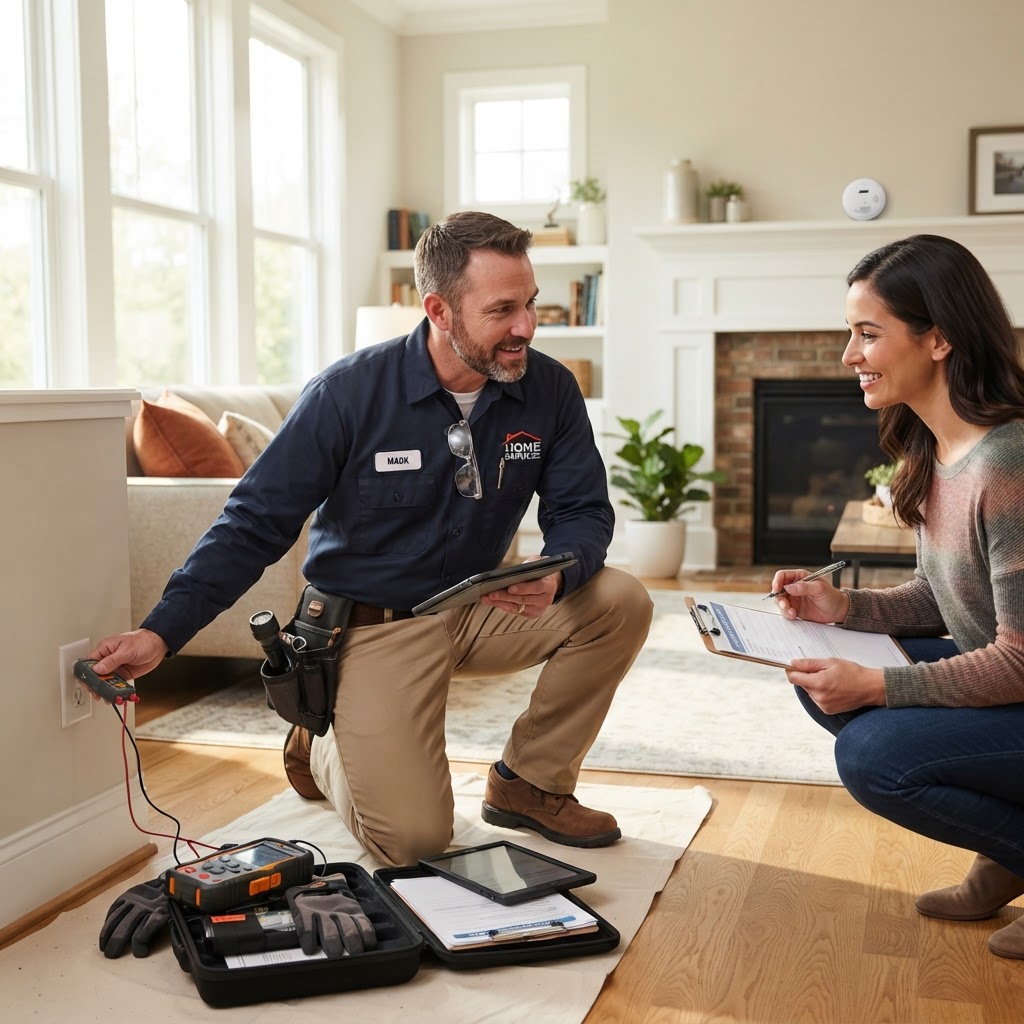
Your home is more than just a building; it is a sanctuary where your family grows, plays, and rests. However, even the most well-maintained houses can harbor hidden dangers that compromise the health and security of those living within. A comprehensive home safety inspection is not just a formality for selling a property; it is a vital proactive measure for every homeowner. By systematically evaluating your living environment for fire hazards, electrical flaws, structural weaknesses, and environmental toxins, you can mitigate risks before they escalate into emergencies. In this guide, we will walk through the essential components of a high-quality safety audit, providing you with actionable insights to keep your household secure. Whether you are a seasoned DIY enthusiast or a professional looking to sharpen your checklist, this deep dive into residential safety will empower you to create a safer haven.
Understanding the Scope of a Home Safety Inspection
A home safety inspection is a thorough evaluation of a residential property to identify potential hazards that could lead to injury, illness, or property damage. Unlike a standard home inspection performed during a real estate transaction—which focuses heavily on the structural integrity and systems of a house—a safety-specific audit looks at the immediate and long-term risks to the occupants. This includes everything from the placement of smoke detectors to the presence of lead paint or radon gas. For homeowners, conducting a self-audit annually is a great habit, but bringing in a certified professional can uncover issues that the untrained eye might miss. Professionals often use specialized equipment like thermal imagers to detect electrical hotspots or moisture meters to find hidden mold growth.
When you begin your inspection, it is helpful to categorize your approach by 'hazard zones.' These typically include fire and life safety, electrical systems, water and gas infrastructure, and structural or trip hazards. By breaking the process down, the task becomes less overwhelming. If you find that the scope of work is beyond your comfort level, you can always use FIND-A-PRO to connect with local, verified home inspectors who specialize in comprehensive safety audits. Keeping a record of your inspections, along with our essential home maintenance guide, ensures that you stay on top of necessary repairs and upgrades over time.
Fire Safety: Beyond the Smoke Detector
Fire remains one of the most significant threats to residential safety. While most people know they need smoke detectors, a truly safe home requires a more nuanced approach. According to the National Fire Protection Association (NFPA), three out of five fire deaths occur in homes with no smoke alarms or non-working alarms. To optimize your fire safety, ensure you have interconnected smoke alarms. This means if one alarm sounds in the basement, every alarm in the house goes off, giving everyone more time to escape. Smoke detectors should be installed inside every bedroom, outside every sleeping area, and on every level of the home, including the basement.
- Testing and Maintenance: Test your alarms monthly and replace batteries at least once a year. If your alarms are more than 10 years old, they must be replaced entirely.
- Fire Extinguishers: Keep at least one 'ABC' rated fire extinguisher on every floor, particularly in the kitchen and garage. Ensure all adults in the house know how to use the 'PASS' method (Pull, Aim, Squeeze, Sweep).
- Escape Routes: Every room should have two possible exits. If you have a multi-story home, consider purchasing collapsible escape ladders for upper-floor bedrooms.
- Kitchen Safety: Cooking is the leading cause of home fires. Keep flammable items like towels and oven mitts away from the stovetop and never leave frying or boiling food unattended.
Professional inspectors will also check your dryer vents. Lint buildup is a major fire hazard that often goes unnoticed. A pro will verify that your vent is made of rigid metal rather than flexible plastic, which can trap lint more easily and catch fire if the dryer overheats.
Electrical Systems: Preventing Hidden Hazards
Electrical fires are particularly dangerous because they often start behind walls where they cannot be seen. An aging or overloaded electrical system is a ticking time bomb. During a home safety inspection, pay close attention to your electrical panel and outlets. If you live in an older home, you may still have 'knob and tube' wiring or aluminum wiring, both of which require professional evaluation and potential replacement. One of the most important modern safety features is the Ground Fault Circuit Interrupter (GFCI). These outlets are designed to shut off power instantly if they detect a surge or contact with water. GFCIs should be installed in kitchens, bathrooms, garages, and outdoor areas.
Another critical component is the Arc Fault Circuit Interrupter (AFCI). While GFCIs protect against shocks, AFCIs protect against fire by detecting dangerous electrical arcs caused by damaged wires or loose connections. If you find that your breakers frequently trip or your lights flicker without explanation, it is time to consult an expert. Knowing how to hire a service professional is key here, as electrical work is not a DIY project for the inexperienced. A professional electrician can perform a load calculation to ensure your home isn't drawing more power than its system can handle, which is increasingly common with the rise of electric vehicle chargers and high-powered home theater systems.
Indoor Air Quality and Environmental Hazards
Not all home hazards are visible. Some of the most dangerous threats are invisible gases and microscopic spores. Carbon Monoxide (CO) is known as the 'silent killer' because it is colorless, odorless, and tasteless. CO is produced by the incomplete combustion of fuels such as gas, oil, or wood. Every home with fuel-burning appliances or an attached garage must have CO detectors installed near sleeping areas. Beyond CO, radon gas is a major concern. Radon is a naturally occurring radioactive gas that can seep into homes through cracks in the foundation. It is the second leading cause of lung cancer in the United States. The EPA recommends that every home be tested for radon, regardless of its age or location.
Mold is another environmental hazard that can cause respiratory issues, especially for those with allergies or asthma. During your inspection, look for signs of water intrusion in basements, crawlspaces, and under sinks. If you smell a musty odor or see discoloration on drywall, you likely have a moisture problem that needs to be addressed. Managing indoor air quality also involves checking your HVAC filters and ensuring that gas appliances are properly vented to the outside. High-efficiency filters can trap allergens and pollutants, but they must be changed regularly to remain effective.
Preventing Falls and Structural Injuries
Slips, trips, and falls are the leading cause of non-fatal injuries in the home, particularly for children and seniors. A safety inspection must include a walkthrough of all walkways and stairs. Ensure that all stairs have sturdy handrails on both sides and that the lighting is sufficient to see each step clearly. Loose rugs should be secured with non-slip pads or removed entirely. In the bathroom, consider installing grab bars in the shower and near the toilet, as these areas are frequently wet and slippery.
Check the exterior of your home as well. Uneven pavement, loose porch railings, and poorly lit entryways are all hazards for guests and family members alike. If you have a deck, inspect the ledger board—where the deck attaches to the house—to ensure it is securely bolted and not rotting. Structural safety also includes checking for loose floorboards or protruding nails. For those with young children, childproofing measures like anchoring heavy furniture (bookshelves, TVs) to the wall are essential to prevent tip-over accidents. These small steps significantly reduce the risk of a trip to the emergency room.
Water and Gas Safety Protocols
Water damage can compromise the structural integrity of your home and lead to expensive repairs. During your safety inspection, locate your main water shut-off valve. Every adult in the household should know where this is and how to turn it off in the event of a burst pipe. Inspect the hoses on your washing machine and dishwasher; if they are cracked or bulging, replace them immediately with braided stainless steel hoses, which are far more durable. Check your water heater’s temperature setting as well. Setting it to 120 degrees Fahrenheit (49 degrees Celsius) prevents accidental scalding while still providing enough hot water for household needs.
Gas safety is equally vital. If you smell gas (often described as a 'rotten egg' odor), leave the house immediately and call the gas company from outside. Never flip a light switch or use a phone inside the house if you suspect a leak, as the small spark could trigger an explosion. An inspector will check gas lines for leaks using a combustible gas detector and ensure that the shut-off valves for your furnace, stove, and fireplace are easily accessible and functioning correctly.
Frequently Asked Questions About Home Safety Inspections
Q: How often should I conduct a home safety inspection?
A: You should perform a basic DIY safety walkthrough every six months, ideally when you change your clocks for daylight savings. A professional, comprehensive safety inspection is recommended every 3 to 5 years, or whenever you move into a new home.
Q: Can I do a safety inspection myself, or do I need a pro?
A: While homeowners can handle basic tasks like testing smoke detectors and checking for trip hazards, certain areas require professional expertise. Electrical systems, radon testing, and structural integrity assessments are best left to experts who have the right tools and training. You can find these experts through FIND-A-PRO to ensure the job is done right.
Q: What is the most common safety hazard found in homes?
A: Improperly maintained fire safety equipment (dead batteries or expired extinguishers) and electrical issues (overloaded circuits and lack of GFCIs) are the most frequent hazards identified during inspections.
Q: Does a home safety inspection lower my insurance premiums?
A: In many cases, yes. Some insurance companies offer discounts if you can prove your home has modern safety features like monitored fire alarms, updated electrical panels, or a high-quality security system. Check with your provider for specific requirements.
Key Takeaways
Conducting a home safety inspection is one of the most responsible actions you can take as a homeowner. By taking a systematic approach to fire, electrical, environmental, and structural risks, you create a foundation of security for your family. Remember, safety is an ongoing process, not a one-time event. Regularly updating your equipment, staying vigilant about maintenance, and addressing minor issues before they become major hazards will save you money and, more importantly, potentially save lives. If you are unsure where to start or find a problem that requires specialized skills, don't hesitate to reach out for help. Use FIND-A-PRO to connect with verified local professionals who can provide the peace of mind you deserve by ensuring your home meets the highest safety standards.
