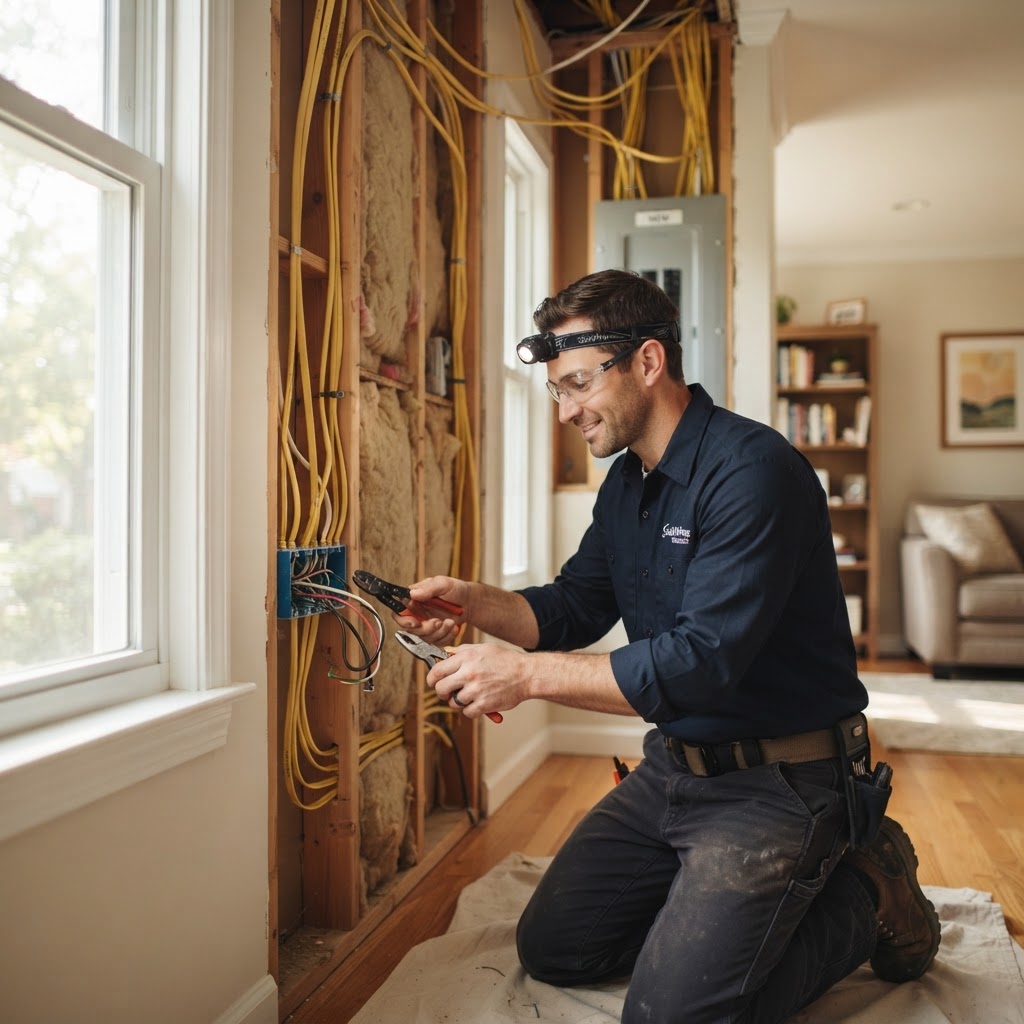
Your home’s electrical system is the invisible backbone of your daily life, powering everything from your morning coffee maker to your late-night streaming sessions. Because it stays hidden behind your walls, it is easy to take for granted—until something goes wrong. Electrical issues don't usually happen overnight; they often provide subtle, persistent warnings that many homeowners overlook. Recognizing these signs early is not just about convenience; it is a critical step in preventing electrical fires and ensuring your family's safety. In this guide, we will walk you through the most common indicators that your home may be due for a professional electrical inspection or a full rewire.
The Hidden Dangers of Outdated Wiring
According to the Electrical Safety Foundation International (ESFI), thousands of electrical fires occur annually, often stemming from outdated or faulty wiring systems. As homes age, the insulation on wires can degrade, and connections can loosen, creating significant fire hazards. Furthermore, modern homes demand much more power than those built even 30 years ago. If your home is still relying on original wiring from the mid-20th century, it likely wasn't designed to handle the load of today’s high-tech appliances, electric vehicle chargers, and smart home devices.
If you are unsure about the age or condition of your system, it is always best to consult a professional. You can use FIND-A-PRO to connect with verified, licensed local electricians who can perform a comprehensive safety assessment of your home's electrical infrastructure.
7 Clear Signs Your Home Needs Rewiring
If you notice any of the following, it is time to stop ignoring the symptoms and take action:
- Frequent Circuit Breaker Trips: While a breaker might trip occasionally due to a temporary overload, if it happens regularly, your system is struggling to keep up with your home's electrical demand.
- Flickering or Dimming Lights: This is often a sign that your wiring cannot handle the current load, or that there is a loose connection somewhere in the circuit.
- Burning Smells or Fishy Odors: A burning smell near an outlet or switch is a major red flag. It often indicates that wires are overheating and melting their plastic insulation.
- Discolored or Scorched Outlets: If your wall plates look brown or charred, it is a sign of intense heat caused by loose connections or arcing.
- Buzzing or Crackling Sounds: Any audible noise coming from your switches or outlets suggests loose wiring or faulty components that require immediate attention.
- Presence of Aluminum Wiring: Common in homes built in the 1960s and 70s, aluminum wiring is prone to corrosion and loosening at connection points, significantly increasing fire risks.
- Lack of Grounded Outlets: If your home still features two-prong outlets, it lacks the grounding necessary to protect modern electronics and appliances from power surges.
Why Professional Intervention is Non-Negotiable
Electrical work is not a DIY project. Attempting to fix wiring issues without proper training, tools, and permits can lead to catastrophic results, including electrocution or house fires. A licensed electrician will not only identify the root cause of your electrical problems but will also ensure that all work meets current local building codes.
When you are ready to move forward, check out our guide on how to hire a service professional to ensure you are choosing someone qualified for the job. Whether you need a simple outlet replacement or a complete home rewire, having a professional on your side provides peace of mind that your home is safe and up to standard.
Frequently Asked Questions (FAQ)
Q: How long does home wiring typically last?
A: Most electrical wiring is designed to last between 30 to 50 years. However, this depends heavily on the quality of the installation and the electrical load the home has been subjected to over time.
Q: Is a partial rewire ever enough?
A: Sometimes, if the issue is isolated to a specific circuit or room, a partial rewire may suffice. However, if your home has outdated wiring throughout, a full rewire is usually the safest and most cost-effective long-term solution.
Q: Does a home rewire increase property value?
A: Absolutely. A home with a modern, safe, and code-compliant electrical system is much more attractive to potential buyers and can prevent significant issues during the home inspection process when you decide to sell.
Key Takeaways
Your home's electrical system is not something to gamble with. By paying attention to these warning signs—from flickering lights to the smell of burning plastic—you can catch potential hazards before they escalate into emergencies. If you suspect your home is due for an upgrade, don't wait for a failure to occur. Use FIND-A-PRO to connect with trusted, verified local electricians who can provide a professional assessment and keep your home safe for years to come. Taking proactive steps today is the best way to protect your family and your investment.
