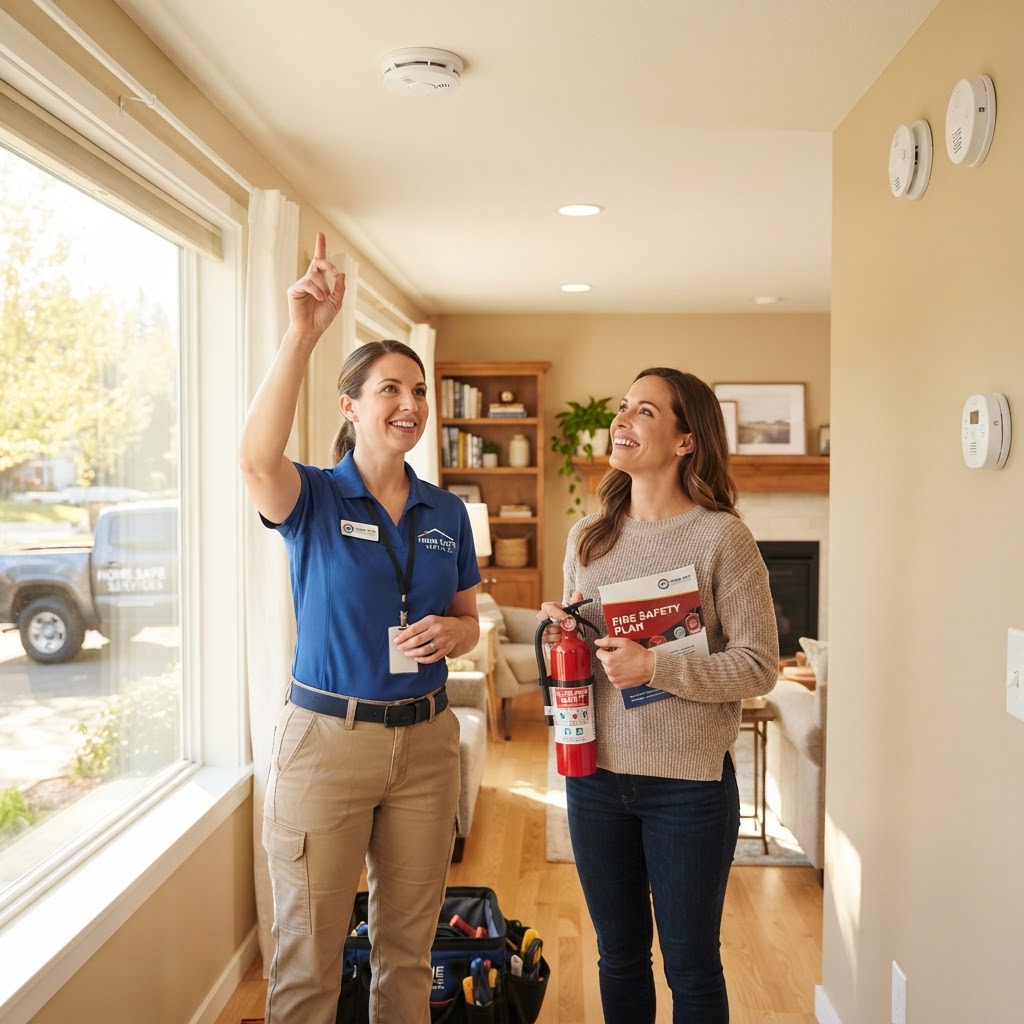
Your home is more than just a building; it is a sanctuary, a collection of memories, and your most significant investment. However, statistics from the National Fire Protection Association (NFPA) remind us that a fire can threaten that peace in an instant. Home fire prevention is not just about mounting a single smoke detector and hoping for the best; it is a comprehensive approach to household management that involves identifying hazards before they ignite. Whether you are a first-time homeowner or a seasoned service professional looking to educate your clients, understanding the nuances of fire safety is critical. In this guide, we will dive deep into the most common causes of residential fires and provide actionable, professional-grade advice to help you fortify your home against the threat of fire. By implementing these strategies, you can significantly reduce your risk and ensure that your family remains safe and prepared for the unexpected.
Kitchen Fire Prevention: The Front Line of Home Safety
The kitchen is statistically the most dangerous room in the house when it comes to fire hazards. According to data from the National Fire Protection Association, cooking is the leading cause of home fires and home fire injuries. Preventing these incidents requires a combination of vigilant behavior and proper equipment maintenance. The most important rule is simple: never leave your cooking unattended. Whether you are frying, grilling, or broiling, stay in the kitchen. If you must leave the room for even a short period, turn off the stove.
Grease fires are particularly treacherous because they can escalate in seconds. If a pan catches fire, never throw water on it. Water will cause the grease to splash and spread the flames instantly. Instead, keep a lid nearby while cooking. Slide the lid over the pan to smother the flames and turn off the burner. For oven fires, keep the door closed and turn off the heat; opening the door allows oxygen to rush in, which can feed the fire. Beyond active cooking, ensure your range hood and filters are clean. Accumulated grease is highly flammable and can ignite if the stovetop becomes too hot. If you notice your kitchen appliances are acting up or if you need a professional to inspect your gas lines, you can use FIND-A-PRO to connect with local appliance repair specialists and plumbers who understand the intricacies of kitchen safety.
Electrical Systems: Identifying the Invisible Hazards
Electrical fires are particularly scary because they often start behind walls or inside appliances where they cannot be seen until it is too late. Overloaded circuits, frayed wires, and outdated electrical panels are common culprits. One of the best ways to prevent electrical fires is to conduct a regular audit of your home's outlets and cords. If you see a cord that is cracked or frayed, replace it immediately. Avoid running extension cords under rugs or across doorways where they can be stepped on and damaged.
Modern technology offers advanced protection through Arc-Fault Circuit Interrupters (AFCIs). These devices detect dangerous electrical arcs—small sparks that occur when a wire is damaged—and shut down the power before a fire can start. If your home was built before these were standard, consider upgrading your panel. Additionally, be mindful of 'octopus' outlets. Plugging too many high-wattage appliances into a single power strip can lead to overheating. If you frequently experience tripped breakers or flickering lights, it is a sign that your system is struggling. For comprehensive inspections and upgrades, it is vital to hire a licensed electrician. You can read more about selecting the right expert in our guide on how to hire a service professional to ensure your electrical work is up to code and safe for your family.
Heating and Laundry: Often Overlooked Fire Risks
As temperatures drop, the risk of heating-related fires rises. Space heaters are a major concern; they should always be placed on a flat, level surface at least three feet away from anything that can burn, including curtains, furniture, and bedding. Never plug a space heater into a power strip; the high current can cause the strip to melt and ignite. Furthermore, if you have a wood-burning fireplace, your chimney should be inspected and cleaned annually by a professional to remove creosote buildup, a highly flammable byproduct of wood combustion.
In the laundry room, the clothes dryer is a significant but often ignored hazard. Dryer fires usually start when lint builds up in the vent pipe or the lint trap. To prevent this, clean the lint filter after every single load. At least once a year, disconnect the vent hose from the back of the dryer and use a vacuum or a specialized brush to clean out the entire length of the duct. If you notice that your clothes are taking longer than usual to dry, it is a primary indicator that your vent is clogged. Incorporating these checks into your essential home maintenance guide routine will not only keep you safe but also improve your appliance's efficiency. For complex vent cleaning or furnace maintenance, FIND-A-PRO can help you find verified technicians in your area.
Smoke Alarms and Carbon Monoxide Detectors: Your Early Warning System
A functioning smoke alarm cuts the risk of dying in a home fire by half. However, simply having them installed is not enough; they must be maintained. You should have smoke alarms on every level of your home, inside every bedroom, and outside every sleeping area. For the best protection, use interconnected alarms; when one sounds, they all sound, ensuring that everyone in the house is alerted regardless of where the fire starts.
There are two main types of smoke detection technology: ionization (fast at detecting flaming fires) and photoelectric (fast at detecting smoldering fires). Experts recommend using 'dual sensor' alarms that combine both technologies. Test your alarms once a month by pressing the test button. If your alarms use standard 9-volt batteries, replace the batteries at least once a year. Regardless of the battery type, the entire smoke alarm unit should be replaced every 10 years, as the sensors lose sensitivity over time. Do not forget carbon monoxide (CO) detectors as well, especially if you have gas appliances or an attached garage. CO is a colorless, odorless gas that can be just as deadly as fire.
Fire Extinguishers: Choosing and Using the Right Equipment
Every home should have at least one fire extinguisher, but ideally, you should have one on every floor, specifically in the kitchen and the garage. Not all extinguishers are created equal; for residential use, an 'ABC' rated extinguisher is the most versatile, as it can handle fires involving ordinary combustibles, flammable liquids, and electrical equipment. Place them in visible, easy-to-reach locations along an exit path.
Owning an extinguisher is useless if you do not know how to use it. Professionals recommend the PASS method:
- Pull the pin to unlock the operating lever.
- Aim low, pointing the nozzle at the base of the fire.
- Squeeze the lever to discharge the agent.
- Sweep the nozzle from side to side at the base of the fire until it is out.
Creating and Practicing an Emergency Escape Plan
In a fire, you may have less than two minutes to escape safely once the smoke alarm sounds. This is why having a practiced escape plan is non-negotiable. Sit down with everyone in your household and map out two ways to exit every room. If the primary exit is blocked by fire or smoke, you need a secondary route, such as a window. For second-story bedrooms, consider purchasing escape ladders and practicing how to deploy them.
Designate a meeting place a safe distance from the house, such as a specific tree, light pole, or neighbor's driveway, where everyone can be accounted for. Practice your drill at least twice a year, including once at night. Teach children how to 'get low and go' to avoid breathing in toxic smoke, which rises toward the ceiling. Once you are out, stay out. Never go back inside a burning building for pets or possessions; notify the fire department immediately once you are safe. Professional safety consultants often emphasize that muscle memory developed during drills is what saves lives during the panic of a real emergency.
Frequently Asked Questions About Home Fire Prevention
What is the number one cause of home fires?
Cooking remains the leading cause of home fires and injuries. Most kitchen fires start due to unattended cooking, particularly when frying or using high heat. Always stay in the kitchen while the stove is on.
How often should I have my home's electrical system inspected?
For older homes, an electrical inspection is recommended every 3 to 5 years. If you notice signs of trouble like frequent breaker trips, warm outlet covers, or a burning smell, contact a pro immediately via FIND-A-PRO to prevent a potential fire.
Can I use water to put out any type of fire?
No. You should never use water on grease fires or electrical fires. Water will cause grease fires to explode and spread, and it can cause electrocution if used on an active electrical fire. Use a Class ABC fire extinguisher or smother a small grease fire with a metal lid.
Key Takeaways
Home fire prevention is a continuous process of vigilance, maintenance, and education. By securing your kitchen, maintaining your electrical and heating systems, and ensuring your early warning devices are functional, you create a powerful defense for your family. Remember that you don't have to handle all of this alone. Whether you need a chimney sweep, an electrician to install AFCI breakers, or a contractor to help fire-proof your renovation, FIND-A-PRO is your go-to resource for connecting with verified, high-quality local professionals. Take the time today to audit your home safety; those few minutes of preparation could make all the difference in an emergency.
