As environmental awareness grows and energy costs continue to climb, homeowners are looking upward for solutions. The roof, often the most overlooked part of a home's efficiency strategy, is actually one of the most powerful tools for sustainability. Transitioning to green roofing options isn't just a trend; it's a long-term investment that can significantly lower your carbon footprint, reduce your utility bills, and even extend the lifespan of your home's structure. Whether you are interested in a 'living' garden atop your house or high-tech solar shingles that power your appliances, the world of eco-friendly roofing has evolved dramatically. In this comprehensive guide, we will explore the most effective green roofing options available today, helping you decide which path to sustainability is right for your unique home and budget.
Understanding the 'Green' in Green Roofing
When we talk about green roofing options, we aren't just talking about the color. A truly green roof is defined by its environmental impact throughout its entire lifecycle—from the extraction of raw materials to its energy-saving performance and, eventually, its recyclability. The primary goals are to minimize heat absorption, reduce runoff, and use materials that don't clog landfills.
For many homeowners, the journey begins with understanding the 'cool roof' concept. A cool roof is designed to reflect more sunlight and absorb less heat than a standard roof. According to Energy Star, reflective roofing can reduce the peak cooling demand of a home by 10 to 15 percent. Beyond cool roofs, we have living roofs, solar-integrated systems, and sustainable materials like recycled rubber or FSC-certified wood. Before diving into a specific material, it is vital to assess your local climate and your home's structural integrity. If you are unsure where to start, you might want to check out our essential home maintenance guide to see how your current roof is performing.
Living Roofs: The Ultimate Eco-Statement
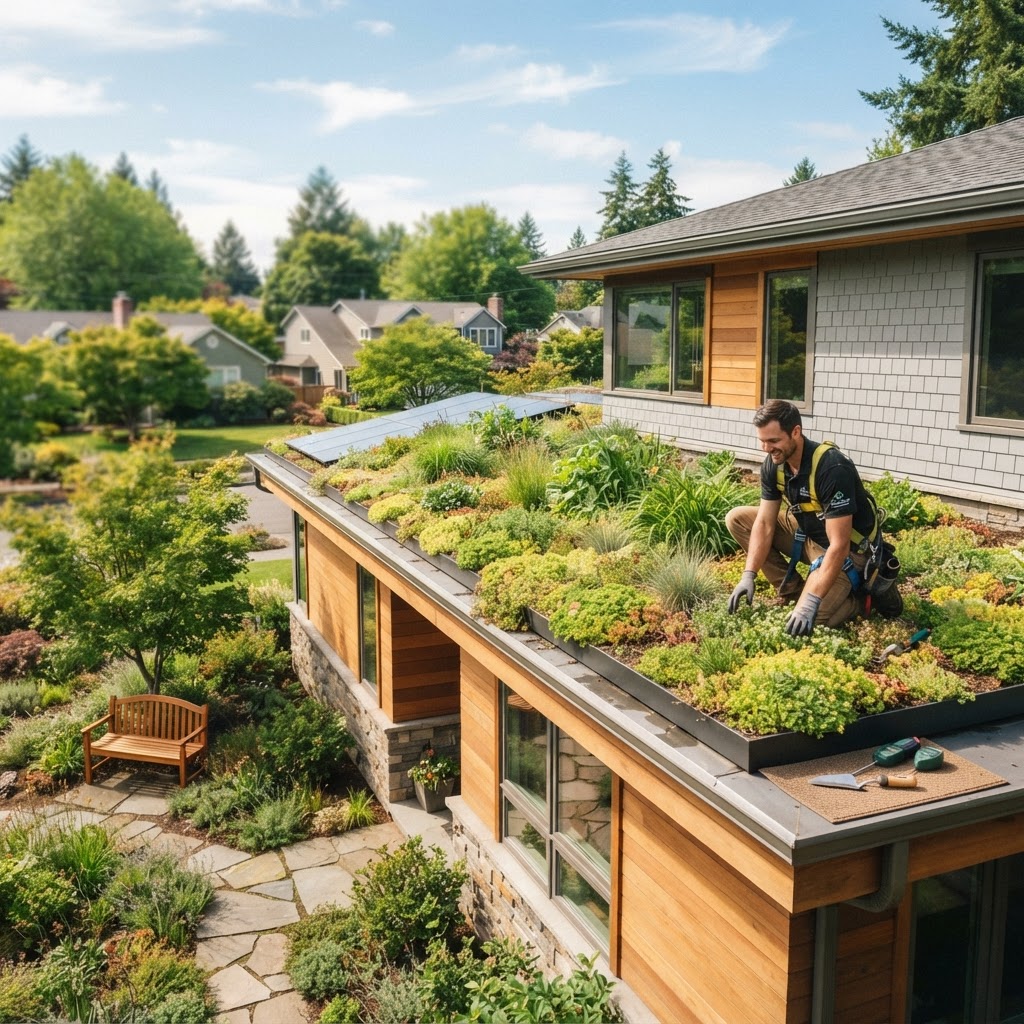
A living roof, or vegetated roof, is exactly what it sounds like: a layer of vegetation grown over a waterproofing system. These are categorized into two main types: Extensive and Intensive. Extensive green roofs are shallow (usually 2 to 6 inches deep), lightweight, and require minimal maintenance, typically utilizing hardy plants like sedum. Intensive green roofs are much deeper, allowing for bushes, trees, and full gardens, but they require significant structural support and regular irrigation.
- Environmental Benefit: They act as natural filters for rainwater, reducing the 'heat island' effect in urban areas.
- Insulation: Soil and plants provide incredible natural insulation, keeping homes cooler in summer and warmer in winter.
- Lifespan: By protecting the underlying membrane from UV radiation and extreme temperature fluctuations, a living roof can last two to three times longer than a standard asphalt roof.
However, living roofs are heavy. Before you plant a garden on your rafters, you must consult a structural engineer to ensure your home can handle the load of saturated soil and snow. Using a service like FIND-A-PRO can help you connect with qualified structural engineers and roofing specialists who have specific experience in vegetated systems.
Solar Roofing: Generating Power from Above
Solar power has come a long way from the bulky, blue-tinted panels of the past. Today, solar shingles (also known as Building-Integrated Photovoltaics or BIPV) offer a sleek, modern look that mimics the appearance of traditional roofing materials like slate or asphalt. This is one of the most proactive green roofing options because it transforms your home from an energy consumer into an energy producer.
While the initial cost is higher than traditional materials, the long-term ROI is unmatched. Many states offer tax credits and net metering programs that allow you to sell excess power back to the grid. When considering solar, look for shingles with high efficiency ratings and strong warranties. It is also a great idea to review our guide on how to hire a service professional to ensure your solar installer is properly certified and insured, as solar integration involves both roofing and complex electrical work.
Cool Roofs and Reflective Coatings
If you live in a hot, sunny climate, a cool roof is perhaps the most cost-effective green roofing option. The goal is to maximize solar reflectance (the ability to reflect sunlight) and thermal emittance (the ability to radiate absorbed heat). While traditional dark asphalt shingles absorb up to 90% of solar energy, cool roofs can stay up to 50 degrees cooler during a summer afternoon.
Cool roofing options include specialized tiles, white membranes for flat roofs, and reflective shingles. If your current roof is in good structural shape but lacks efficiency, you can even apply a reflective roof coating. These coatings are thick, paint-like substances that can be applied to almost any roof type to instantly boost its albedo. This is a practical DIY-friendly or pro-assisted way to extend the life of your existing roof while lowering AC costs.
Sustainable Materials: Recycled and Natural Choices
For many, 'going green' means choosing materials that don't harm the earth. Here are the top contenders:
- Metal Roofing: Often made from 25-95% recycled content and 100% recyclable at the end of its life. Metal roofs reflect solar heat and can last 50 years or more.
- Recycled Shingles: These are made from waste products like plastic, rubber, or wood fiber. They are incredibly durable, often carrying Class 4 impact resistance ratings against hail.
- Slate and Clay: While heavy and expensive, these are natural materials that can last over a century. Their longevity makes them 'green' because they rarely need to be replaced.
- Wood Shakes: If you choose wood, look for the Forest Stewardship Council (FSC) certification to ensure the timber was harvested sustainably.
When selecting these materials, always check the manufacturer's recycling program. The greenest material is one that never sees the inside of a landfill.
How to Choose the Right Green Roof for Your Home
Choosing between these green roofing options requires a balance of three factors: Geography, Structure, and Budget. If you live in the Pacific Northwest, a living roof might thrive with the natural rainfall, whereas in the Arizona desert, a reflective cool roof or solar shingles would provide the best ROI. Don't forget to check local building codes and Homeowners Association (HOA) rules, as some may have restrictions on colors or solar panel placement.
Budgeting for a green roof also requires looking at the total cost of ownership. A metal roof may cost twice as much as asphalt initially, but if it lasts three times longer and saves you 20% on energy, it is the cheaper option in the long run. Always get at least three quotes and ask for references specifically related to the eco-friendly material you've chosen.
Frequently Asked Questions About Green Roofing
Q: Are green roofs much more expensive than traditional roofs?
A: Initially, yes. Sustainable materials and living roofs often have a higher upfront cost due to material quality and specialized installation. However, when you factor in energy savings, tax credits, and the increased lifespan of the roof, they often pay for themselves over 10 to 15 years.
Q: Can any house support a living roof?
A: Most homes require structural reinforcement to handle the weight of a living roof, especially when the soil is wet. You must have a structural engineer evaluate your home's load-bearing capacity before installation.
Q: Does a metal roof make the house hotter?
A: Actually, the opposite is true. High-quality metal roofs are designed with reflective coatings that bounce sunlight away, often making the attic cooler than traditional asphalt shingles would.
Q: How do I find a contractor who knows these systems?
A: It is essential to work with specialists. You can use FIND-A-PRO to filter for roofing professionals in your area who have verified experience with sustainable materials and green certifications.
Key Takeaways
Investing in green roofing options is a powerful way to improve your home's value, comfort, and environmental footprint. Whether you opt for the high-tech efficiency of solar shingles, the natural beauty of a living roof, or the durable simplicity of recycled metal, the benefits far outweigh the initial hurdles. Remember that the success of any roofing project depends on the quality of the installation. For peace of mind and professional results, let FIND-A-PRO connect you with verified local roofing experts who can turn your vision of a sustainable home into a reality. Take the time to research, consult with professionals, and choose the solution that will protect both your family and the planet for decades to come.
