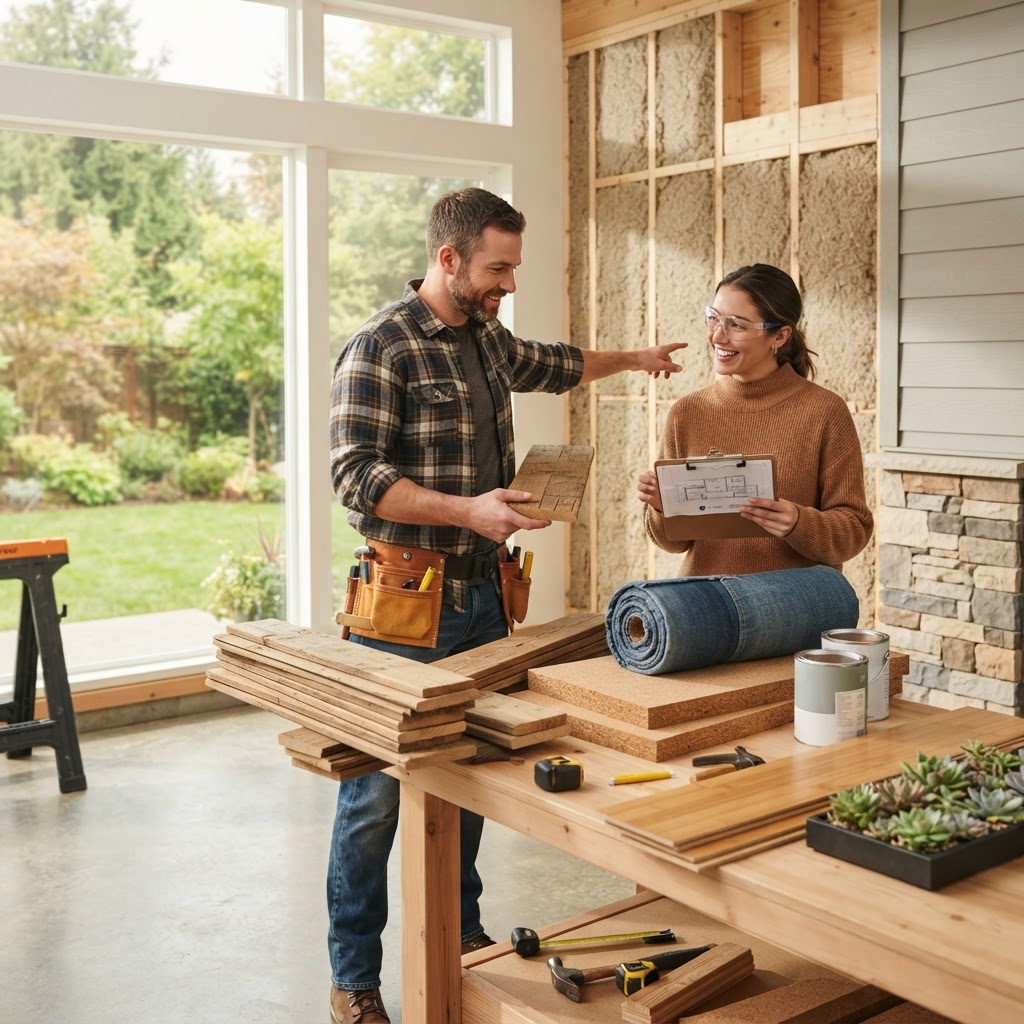
Building or renovating a home is one of the most significant investments you will ever make. Today, more homeowners are looking beyond aesthetics and functionality to consider the environmental footprint of their projects. Choosing green building materials is no longer just a niche trend; it is a smart, long-term strategy that enhances indoor air quality, boosts energy efficiency, and can even increase your property’s resale value. Whether you are planning a full-scale remodel or a simple room refresh, understanding which materials are truly sustainable is the first step toward a healthier, more efficient home.
Why Choose Sustainable Building Materials?
The construction industry is a major contributor to global greenhouse gas emissions, but homeowners have the power to shift this narrative. By selecting materials that are renewable, recycled, or energy-efficient, you reduce the demand for virgin resources and minimize construction waste.
Beyond the environmental impact, green materials often offer superior performance. For instance, high-quality insulation keeps your home comfortable year-round, while low-VOC finishes ensure your indoor air remains free of harmful chemicals. If you are unsure where to start, check out our essential home maintenance guide to see how material choices impact your long-term upkeep costs.
Top Eco-Friendly Materials for Your Home
Not all products labeled as 'green' are created equal. To help you navigate the market, here are some of the most reliable and effective sustainable materials available today:
- Bamboo: A rapidly renewable resource that grows much faster than traditional timber. It is incredibly durable and perfect for flooring, cabinetry, and even structural elements.
- Cork: Harvested from the bark of cork oak trees without harming the tree, this material is naturally fire-resistant, antimicrobial, and an excellent sound insulator.
- Low-VOC Paints and Finishes: Traditional paints release Volatile Organic Compounds (VOCs) into your home for years. Low-VOC or zero-VOC options significantly improve indoor air quality.
- Green Roofing: Also known as living roofs, these systems provide natural insulation, manage stormwater runoff, and can reduce cooling costs by 10–30% according to EPA guidelines on green infrastructure.
- Mass Timber: Engineered wood products that offer the strength of steel with a much lower carbon footprint, making them ideal for modern, sustainable framing.
Practical Tips for a Greener Renovation
Transitioning to a sustainable home doesn't mean you have to sacrifice style or budget. The key is to prioritize high-impact areas. Start by focusing on the 'envelope' of your home—the windows, doors, and insulation. Upgrading to Low-E windows or high-performance insulation provides the highest return on investment regarding energy savings.
When sourcing materials, look for certifications like FSC-certified wood or Energy Star ratings. If you are feeling overwhelmed by the options, remember that you don't have to do it alone. Using FIND-A-PRO allows you to connect with verified local professionals who specialize in sustainable building practices and can help you source the right materials for your specific climate zone.
Frequently Asked Questions
Q: Are green building materials more expensive than traditional options?
A: While some sustainable materials have a higher upfront cost, they often pay for themselves through lower utility bills, reduced maintenance, and increased property value. Many green buildings command 3-7% higher market rates.
Q: How can I verify if a material is truly eco-friendly?
A: Look for third-party certifications such as FSC (Forest Stewardship Council) for wood, or check the product's Environmental Product Declaration (EPD). Always ask your contractor for documentation.
Q: Can I use green materials in an older home renovation?
A: Absolutely. Many sustainable materials, such as cork flooring or low-VOC paints, are perfect for retrofitting older homes. For structural changes, it is best to consult with a professional to ensure compatibility. If you need help finding an expert, our guide on how to hire a service professional can help you vet the right candidate for your project.
Key Takeaways
Investing in green building materials is a commitment to both the planet and your own quality of life. By choosing renewable resources, prioritizing energy efficiency, and working with experienced contractors, you can create a home that is as beautiful as it is responsible. Remember, the best projects start with the right team; use FIND-A-PRO to connect with verified local professionals who can turn your sustainable vision into a reality.