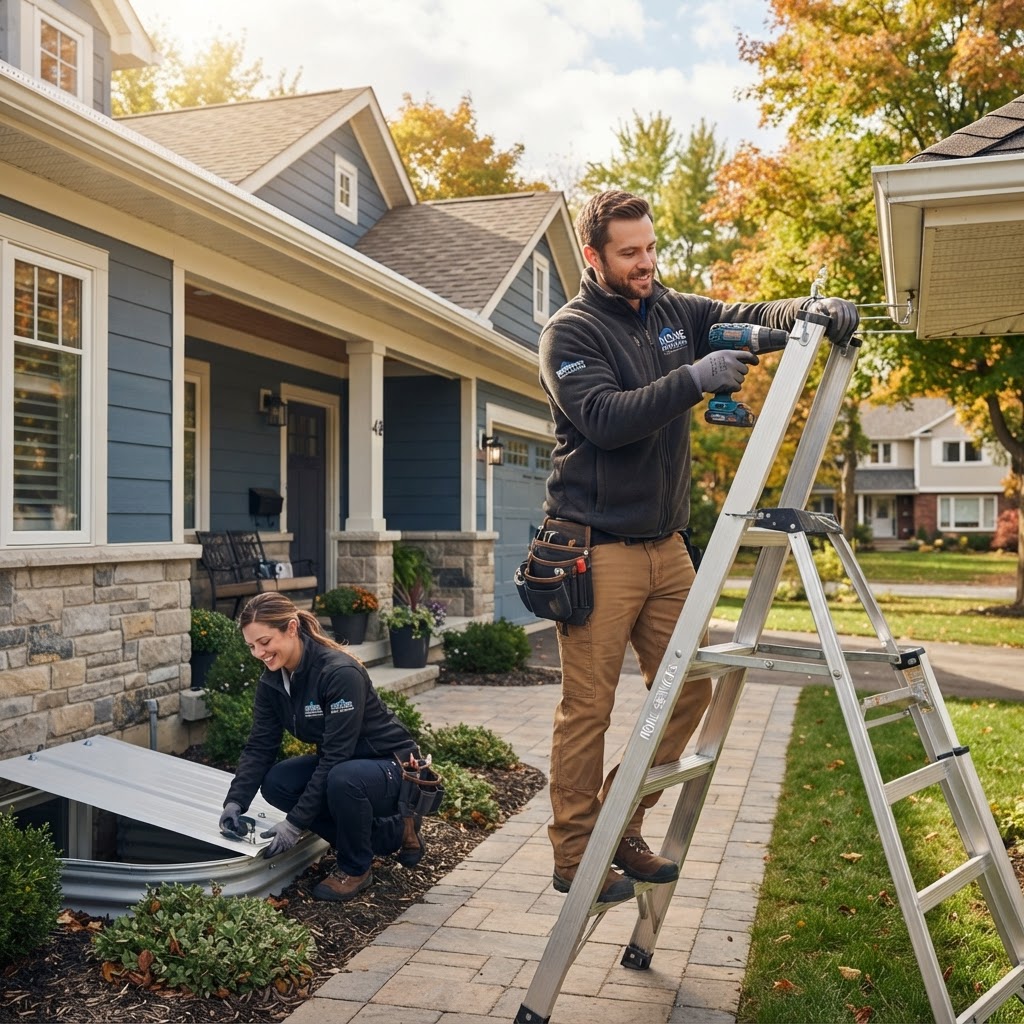
We have all been there—staring at the weather radar as a dark purple cell approaches or watching the thermometer plunge toward record-breaking lows. In recent years, extreme weather has shifted from a rare occurrence to a seasonal reality for homeowners across the country. Whether it is a deep freeze that threatens to burst your pipes, high winds that turn patio furniture into projectiles, or torrential rains that test the limits of your foundation, the cost of being unprepared is always higher than the cost of prevention. This comprehensive guide to extreme weather home prep is designed to help you move from reactive panic to proactive protection. By following these professional-grade strategies, you can safeguard your biggest investment and ensure your family stays safe and comfortable, no matter what the forecast says.
The First Line of Defense: Roof and Gutter Resilience
Your roof is the most critical component of your home's envelope. During extreme weather, it bears the brunt of wind, hail, and heavy snow. To start your extreme weather home prep, you must conduct a thorough inspection of your shingles. Look for curling, cracking, or missing pieces that could allow water to infiltrate during a storm. If you live in a high-wind area, consider upgrading to Class 4 impact-resistant shingles or installing hurricane straps—metal connectors that anchor the roof to the wall studs for superior stability.
Gutters play an equally vital role. When gutters are clogged with leaves and debris, water backs up under the shingles or overflows next to your foundation. During winter, this trapped water freezes, leading to ice dams that can tear gutters off the house and cause interior leaks. Ensure your downspouts extend at least five to ten feet away from the foundation to prevent basement flooding. For a deeper dive into year-round care, check out our essential home maintenance guide. If climbing a ladder feels unsafe, remember that FIND-A-PRO can connect you with local gutter specialists who can handle the job safely and efficiently.
Winterizing Your Plumbing: Preventing the Deep Freeze
Extreme cold can be devastating to a home's plumbing system. When water freezes in a pipe, it expands, exerting thousands of pounds of pressure per square inch—enough to burst even the strongest copper or PEX lines. To prevent this, start by insulating any exposed pipes in unheated areas like crawlspaces, attics, or garages. Use foam pipe sleeves or UL-listed heat tape for maximum protection.
When temperatures are forecast to drop below freezing, keep your thermostat set to at least 55 degrees Fahrenheit, even if you are away. For extreme cold events, open cabinet doors under sinks to allow warm air to circulate around the plumbing. A small, steady drip of water from faucets served by exposed pipes can also prevent pressure buildup. Don't forget the exterior: disconnect all garden hoses and install insulated covers on outdoor spigots. Knowing the location of your main water shutoff valve is non-negotiable; if a pipe does burst, turning off the water immediately can save you tens of thousands of dollars in water damage repairs.
Sealing the Envelope: Windows, Doors, and Insulation
Energy efficiency and weather protection go hand in hand. Drafty windows and doors are not just uncomfortable; they allow moisture and freezing air to enter your home's structure. Inspect the weatherstripping around all entry points and replace any that is brittle or compressed. Use high-quality exterior caulk to seal gaps where different materials meet, such as where siding touches window trim.
According to Energy Star, sealing air leaks and adding insulation can significantly reduce the strain on your HVAC system during extreme temperature swings. In the summer, this keeps the heat out; in the winter, it prevents the 'stack effect' where warm air escapes through the attic, pulling cold air in through the basement. If you are unsure where your home is losing energy, a professional energy audit is a great first step in your extreme weather home prep journey.
High Winds and Storm Safety: Managing Your Landscape
In a windstorm, your landscaping can either protect your home or destroy it. Dead or dying trees are a major liability. Hire a certified arborist to identify and remove 'hazard trees' or branches that hang over your roof or power lines. Ideally, no large branches should be within ten feet of your home. During the prep phase, also consider your 'missile' risk—items like patio furniture, potted plants, and bird feeders should be moved into a garage or shed when a storm warning is issued.
For those in hurricane-prone or high-wind regions, window protection is essential. While many homeowners rely on plywood, permanent storm shutters are a more effective and convenient long-term solution. If you are planning a renovation, look into impact-rated windows that can withstand the force of flying debris without shattering, maintaining the structural integrity of your home during a major event.
Flood Prevention: Sump Pumps and Foundation Care
Water is a homeowner's most persistent enemy. To keep your basement dry during heavy rains, your sump pump must be in peak condition. Test it by pouring a bucket of water into the pit to ensure the float switch triggers the pump. Because extreme weather often causes power outages, a battery-powered backup sump pump is a critical investment. Without it, your primary pump is useless the moment the lights go out.
Check the grading around your home as well. The ground should slope away from the foundation at a rate of at least six inches over the first ten feet. If you notice water pooling near your walls, you may need to install a French drain or regrade the soil. Sealing cracks in your foundation with epoxy injection can also prevent minor seepage from turning into a major flood. For complex foundation or drainage issues, it is wise to consult a specialist; you can learn more about vetting these experts in our guide on how to hire a service professional.
Emergency Power and Safety Systems
When extreme weather knocks out the grid, having a plan for backup power can be a lifesaver. Portable generators are popular, but they must be used with extreme caution. According to Ready.gov, generators should always be operated outdoors, at least 20 feet away from windows, doors, and attached garages to prevent carbon monoxide poisoning. Never 'backfeed' a generator into a wall outlet; instead, use heavy-duty, outdoor-rated extension cords or have a professional install a transfer switch.
Ensure your home is equipped with working smoke and carbon monoxide detectors on every level and near every sleeping area. Test the batteries monthly. Additionally, keep a well-stocked emergency kit that includes three days of water (one gallon per person per day), non-perishable food, a hand-crank radio, flashlights, and a first-aid kit. If you rely on electric medical equipment, register with your utility company so they can prioritize your power restoration.
Extreme Weather Home Prep FAQ
How do I prevent my pipes from freezing during a polar vortex?
The best prevention is a combination of insulation and circulation. Wrap exposed pipes in foam sleeves, keep your home's heat at 55°F or higher, and allow faucets to drip slightly to relieve pressure. Opening cabinet doors to let room heat reach the pipes is also highly effective.
When should I call a professional for storm prep?
You should call a pro for any task that involves heights (roof and gutter work), specialized equipment (tree removal), or complex systems (installing a generator transfer switch or a backup sump pump). It is better to hire a pro for maintenance now than an emergency contractor during a disaster.
What is the most important item in a home emergency kit?
While food and light are important, clean water is the most critical. You should have at least one gallon of water per person per day. Additionally, a portable power bank for your cell phone is essential for staying informed and contacting emergency services.
Key Takeaways
Extreme weather home prep is not a one-time task, but a seasonal commitment to the safety and longevity of your property. By taking the time to inspect your roof, insulate your plumbing, and manage your landscape, you are building a resilient home that can weather any storm. While many of these tasks are DIY-friendly, some require the specialized tools and experience of a seasoned expert. When the job calls for a professional touch, <strong>FIND-A-PRO</strong> is your go-to resource for finding verified, high-quality local service providers. Don't wait for the next storm warning to take action—start your preparations today and enjoy the peace of mind that comes with a truly protected home.
