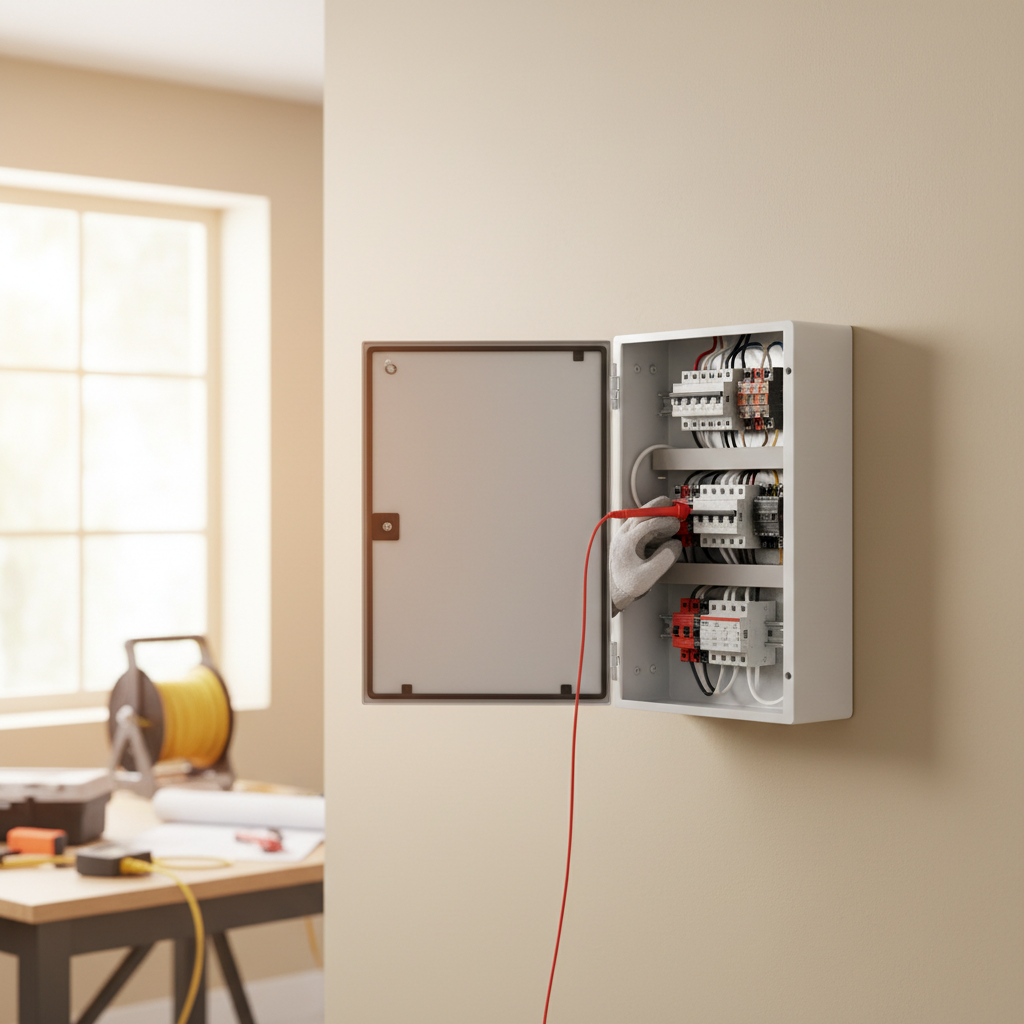
Your home’s electrical panel is essentially the central nervous system of your house. It takes the high-voltage power provided by your utility company and distributes it safely into the various circuits that feed your lights, appliances, and electronics. However, as our lives become increasingly digitized and electrified—with electric vehicles (EVs), high-efficiency heat pumps, and a growing array of smart home devices—the modest panels installed just twenty or thirty years ago are often struggling to keep up. If you are noticing flickering lights, smelling a faint 'metallic' odor near your utility room, or simply tired of resetting a tripped breaker every time you run the toaster and microwave simultaneously, you are likely due for an upgrade. Upgrading your electrical panel isn't just about convenience; it's a critical safety measure that protects your family from the risks of electrical fires and ensures your home is ready for the future of energy.
Recognizing the Signs: When Your Panel is Telling You 'Enough'
Many homeowners ignore the subtle warnings of an overloaded electrical system until a major failure occurs. The most obvious sign is a circuit breaker that trips frequently. While breakers are designed to trip to prevent wires from overheating, repeated tripping means the circuit is consistently being pushed beyond its safe capacity. Another red flag is flickering or dimming lights, particularly when a heavy appliance like an air conditioner or refrigerator kicks on. This indicates a 'voltage drop,' where the sudden demand for power exceeds what the panel can smoothly deliver.
Physical signs are even more urgent. If you touch the door of your breaker box and it feels warm, or if you see any signs of discoloration, soot, or 'scorch marks' around the breakers, you must call a professional immediately. These are indications of arcing or excessive heat, which are precursor events to electrical fires. Additionally, if your home still utilizes a fuse box rather than a modern circuit breaker panel, it is likely more than 50 years old and significantly undersized for modern loads. For more tips on keeping your home systems running smoothly, check out our essential home maintenance guide.
- Crackling or Hissing Sounds: Usually indicates a loose connection or arcing.
- Reliance on Power Strips: If every outlet in your living room has a multi-plug adapter, your system is likely under-provisioned.
- Burnt Plastic Odors: This is a sign of melting wire insulation.
Understanding Amperage: Why 200 Amps is the New Standard
Electrical capacity is measured in Amps. Older homes typically had 60-amp or 100-amp service. In the 1970s, 100 amps was plenty for a few lights, a refrigerator, and a television. Fast forward to today, and the landscape has changed. A single Level 2 EV charger can pull 40 to 50 amps alone. Add an electric range (50 amps), an electric clothes dryer (30 amps), and a central AC unit (30-40 amps), and you can see how a 100-amp panel quickly becomes a bottleneck.
For most modern homes, a 200-amp panel is the industry standard. This provides enough 'headroom' to run major appliances simultaneously while allowing for future additions like solar panels or a backup battery system. According to the U.S. Department of Energy, upgrading to more efficient electric systems often requires a robust electrical backbone. Upgrading to 200 amps not only increases safety but also boosts your home's resale value, as savvy buyers look for modernized infrastructure.
Safety Alerts: Panels You Should Replace Immediately
Not all panels are created equal, and some have documented histories of catastrophic failure. If your home has a panel made by Federal Pacific Electric (FPE), specifically the 'Stab-Lok' model, or a Zinsco panel, you should prioritize a replacement regardless of whether you are experiencing issues. Research has shown that FPE Stab-Lok breakers have a high failure rate, meaning they fail to trip even when a dangerous short circuit occurs. This led the Consumer Product Safety Commission (CPSC) to issue warnings about their potential fire hazards.
Zinsco panels have a design flaw where the breakers can melt to the bus bar, making it impossible to shut off the power in an emergency. If you are unsure what brand of panel you have, you can usually find the manufacturer's name on the inside of the panel door. If you find one of these legacy brands, use FIND-A-PRO to connect with a verified electrician who can perform a safety inspection and provide an estimate for a modern, code-compliant replacement.
The Step-by-Step Process of an Electrical Panel Upgrade
Upgrading a panel is not a DIY project. It involves high-voltage electricity that can be fatal if mishandled and requires strict adherence to the National Electrical Code (NEC). Here is what the typical process looks like when you hire a professional:
1. Site Assessment: An electrician will evaluate your current load and determine if the service entrance wires (the wires coming from the street) also need to be upgraded to handle the new amperage. 2. Permitting: Your contractor will pull the necessary permits from the local building department. This is a crucial step for insurance purposes. 3. Coordination with the Utility: The power company must be scheduled to disconnect the power at the 'mast' or meter during the swap. 4. The Swap: The electrician removes the old panel, installs the new cabinet, wires the new breakers, and ensures proper grounding and bonding. 5. Inspection: Once the work is done, a city inspector must sign off on the job before the utility company restores power permanently. For guidance on vetting your contractor for this process, read our article on how to hire a service professional.
Cost Factors: What to Expect in Your Estimate
A standard electrical panel upgrade typically costs between $2,000 and $4,500, though several factors can push this higher. The primary cost drivers include the cost of the panel and breakers themselves, labor rates in your region, and the complexity of the wiring. If your existing wiring is outdated (such as old knob-and-tube or ungrounded cloth-jacketed wire), the electrician may need to pull new circuits to meet modern safety codes.
Additionally, if you are upgrading from 100 to 200 amps, the utility company may charge a fee to upgrade the service line to your house. Other costs include the permit fees (usually $50-$200) and the cost of any 'sub-panels' if you are adding a detached garage or an ADU. While the price tag may seem high, it is a long-term investment in the safety and functionality of your home.
The Future of Power: Smart Panels and Load Management
If you are upgrading today, it is worth considering a 'smart' electrical panel. Companies like Span and Lumin offer panels that allow you to monitor energy usage in real-time via a smartphone app. These panels can automatically shed 'non-essential' loads during a power outage if you are running on a backup battery, extending the life of your backup power. Smart panels also provide granular data on which appliances are using the most energy, helping you reduce your monthly utility bills. Even if you don't go fully 'smart,' ensure your electrician installs a panel with plenty of extra 'spaces' so you won't have to upgrade again in five years.
Frequently Asked Questions About Panel Upgrades
Q: How long does the power stay off during an upgrade?
A: Generally, the power will be disconnected for 4 to 8 hours. Most electricians start early in the morning so power can be restored by late afternoon. It's a good idea to keep your refrigerator closed and have your electronics charged beforehand.
Q: Can I just add more breakers to my current panel instead of upgrading?
A: Only if the panel's total amperage capacity has not been reached. If your 100-amp panel is already full, adding 'tandem' breakers might provide more slots, but it doesn't change the fact that you only have 100 amps coming into the house. Overloading the main bus bar can cause the main breaker to trip or the panel to overheat.
Q: Will a panel upgrade stop my lights from flickering?
A: In most cases, yes. Flickering is often caused by heavy loads on the same circuit or a main service that can't handle the draw. A new panel with properly balanced circuits and increased amperage usually solves these stability issues.
Q: Does homeowner's insurance cover a panel upgrade?
A: Standard policies usually do not cover preventative upgrades. However, if your panel is a known fire hazard like FPE or Zinsco, some insurance companies may actually require you to replace it to maintain your coverage or offer a discount once the work is certified.
Key Takeaways
Upgrading your electrical panel is one of the most significant 'invisible' improvements you can make to your home. While it doesn't have the aesthetic impact of a kitchen remodel, the peace of mind that comes with a safe, efficient, and high-capacity electrical system is invaluable. By recognizing the warning signs early and moving from an aging 100-amp service to a robust 200-amp system, you are protecting your property and preparing for the next generation of home technology. When you're ready to take the next step, let FIND-A-PRO help you connect with top-rated, licensed electricians in your area who can ensure the job is done right, on time, and up to code.
