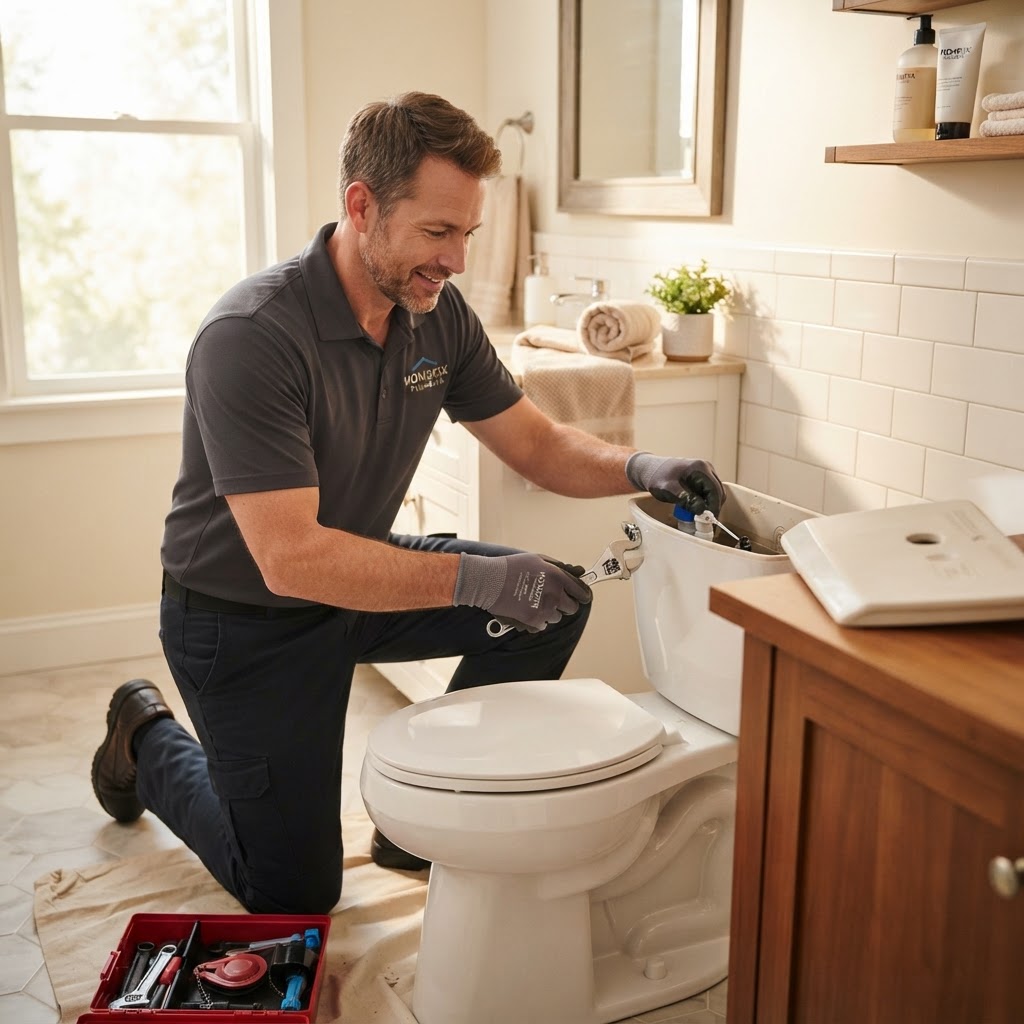
There are few sounds more irritating in a home than the constant, ghostly hiss of a running toilet. Beyond the annoyance, a leaking toilet is a silent thief, potentially wasting thousands of gallons of water every month and driving up your utility bills significantly. While many homeowners feel intimidated by the inner workings of a toilet tank, the truth is that most common issues can be resolved with a few basic tools and a little bit of patience. In this comprehensive guide, we will walk you through the mechanics of your toilet, help you diagnose the most frequent problems, and provide actionable steps to get your bathroom back in working order. If you find yourself in over your head, remember that FIND-A-PRO is your go-to resource for connecting with verified local professionals who can handle even the most stubborn plumbing challenges.
Understanding Your Toilet's Anatomy
Before you start turning wrenches, it is essential to understand how your toilet actually works. Most residential toilets operate on a gravity-fed system. When you push the handle, a chain lifts a flapper at the bottom of the tank, allowing water to rush into the bowl. Once the tank empties, the flapper closes, and the fill valve—which is connected to your home's water supply—refills the tank to a specific level determined by the float.
If any of these components fail, the cycle breaks. A worn-out flapper won't seal properly, causing water to leak into the bowl. A float set too high will cause water to spill into the overflow tube, keeping the fill valve running indefinitely. By identifying which part is failing, you can save yourself a trip to the hardware store and hours of frustration.
Step-by-Step: How to Fix a Running Toilet
A running toilet is the most common plumbing complaint. Before you begin any repair, always shut off the water supply by turning the valve behind the toilet clockwise. Once the water is off, follow these steps:
- The Food Coloring Test: Not sure if your toilet is leaking? Add a few drops of food coloring to the tank water. Wait 15 minutes without flushing. If you see color in the bowl, your flapper is leaking.
- Check the Flapper: Often, the chain connecting the handle to the flapper is too tight or too loose. Adjust the chain so there is about half an inch of slack. If the flapper itself is warped or brittle, simply replace it with a new one from your local hardware store.
- Adjust the Float: If the water level is reaching the top of the overflow tube, your float is set too high. Most modern fill valves have a screw or a clip that allows you to lower the float level, ensuring the water stops before it hits the overflow point.
- Clean the Fill Valve: Sometimes, mineral buildup or debris can clog the fill valve. You can often clear this by turning off the water, removing the valve cap, and flushing the line to clear out any sediment, as recommended by Fluidmaster's repair guides.
Dealing with Clogs and Slow Flushes
If your toilet is flushing slowly or not at all, you are likely dealing with a partial clog. Before reaching for harsh chemical drain cleaners—which can damage your pipes and the environment—try a high-quality flange plunger. Ensure you have a good seal around the drain hole and use firm, rhythmic pressure.
If plunging doesn't work, you may need a toilet auger (or closet auger). This tool is designed to reach deep into the trapway to break up obstructions. For more complex maintenance tasks, it is always a good idea to consult an official EPA WaterSense guide to ensure your repairs are water-efficient and up to code. If you are unsure about your plumbing system's health, check out our essential home maintenance guide to keep your entire house running smoothly.
Frequently Asked Questions (FAQ)
Q: Why does my toilet run intermittently?
A: This is often caused by a 'phantom flush,' where a slow leak in the flapper causes the water level in the tank to drop, triggering the fill valve to top it off periodically.
Q: How do I know if I need a new fill valve?
A: If you have adjusted the float and the water still won't stop running, or if the valve makes a loud screeching noise, it is likely time to replace the entire fill valve assembly.
Q: Can I fix a leaking toilet base myself?
A: A leak at the base usually indicates a failed wax ring. This is a more involved repair that requires removing the entire toilet. If you aren't comfortable lifting the toilet and reseating it, we highly recommend using FIND-A-PRO to hire a licensed plumber to ensure a watertight seal.
Key Takeaways
Mastering basic toilet repair is a rite of passage for every homeowner. By learning to diagnose issues like faulty flappers, misaligned floats, and stubborn clogs, you can save significant money on service calls and prevent water waste. Remember, the key to a successful DIY repair is patience and having the right parts on hand before you start. However, some plumbing issues are best left to the experts, especially if you suspect deeper pipe damage or are dealing with a leaking base. When you need reliable, expert help, FIND-A-PRO is here to connect you with verified local professionals who can get the job done right the first time. Don't let a small leak turn into a major home disaster—take action today!
