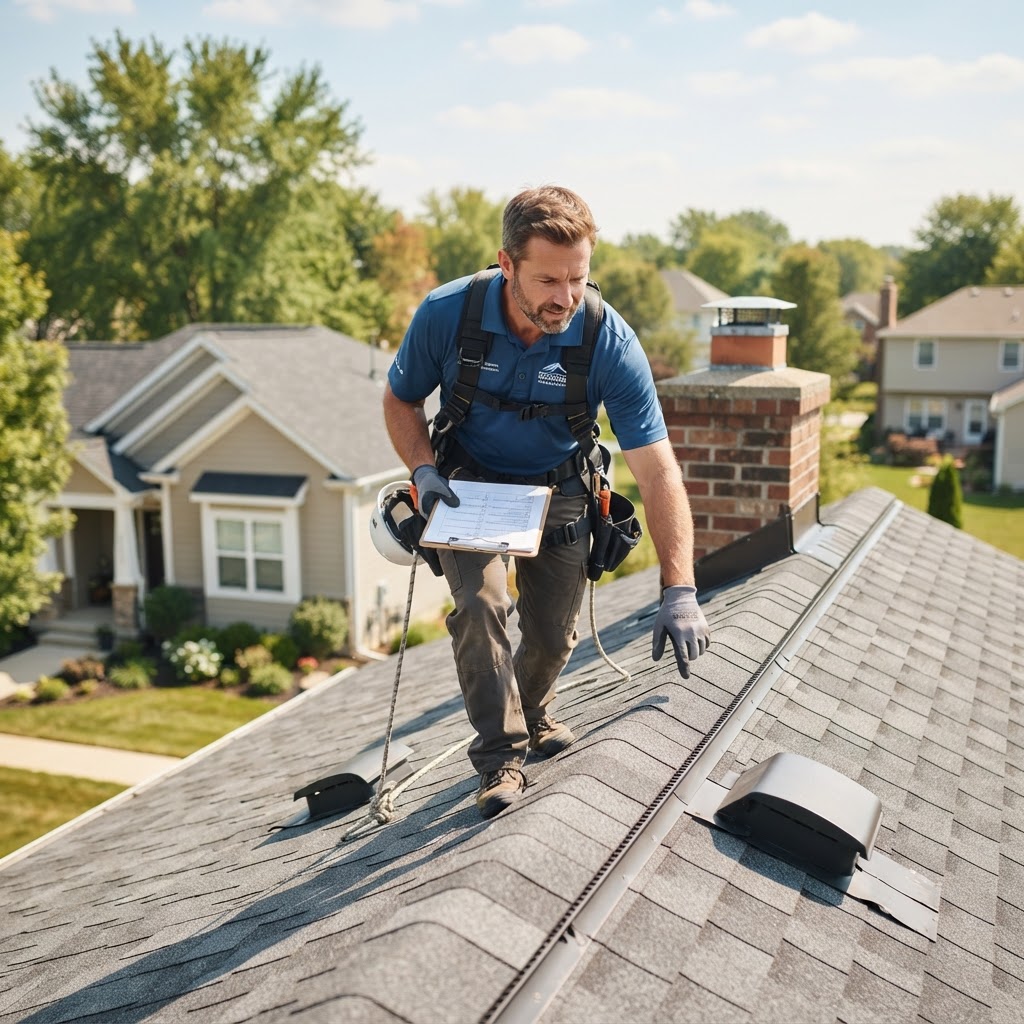
Your home is likely your most significant investment, and the roof is the primary shield protecting that investment from the elements. Yet, for many homeowners, the roof is a case of 'out of sight, out of mind'—until a leak appears in the living room ceiling. Regular roof inspections are not just a chore; they are a vital component of proactive home ownership that can save you tens of thousands of dollars in premature replacement costs. By identifying small issues like a cracked shingle or a rusted piece of flashing early, you prevent the slow, silent water damage that leads to mold, structural rot, and decreased energy efficiency. In this comprehensive guide, we will walk you through professional-grade roof inspection tips, from what you can spot from the safety of the ground to the hidden signs in your attic that something is amiss.
Why Annual Roof Inspections are Non-Negotiable
A high-quality asphalt shingle roof is designed to last between 20 and 30 years, but that lifespan is entirely dependent on regular maintenance. Think of a roof inspection like a medical check-up for your house. Without it, minor ailments become chronic conditions. The cost of a professional inspection is minimal compared to the average cost of a full roof replacement, which can range from $8,000 to $20,000 depending on materials and square footage.
Beyond the financial aspect, inspections are critical for insurance purposes. After a major storm, insurance adjusters look for evidence that the homeowner has maintained the property. If you have a documented history of annual inspections and minor repairs, you are in a much stronger position to have a claim approved for storm damage. Additionally, ensuring your roof is in top shape contributes to your home's thermal envelope. According to Energy Star, a well-sealed and insulated attic—which starts with a sound roof—can save homeowners an average of 15% on heating and cooling costs. For more ways to keep your property in peak condition, check out our essential home maintenance guide.
Safety First: The DIY Binocular Inspection
Before we dive into the technical details, let's talk safety. Every year, thousands of homeowners are injured in ladder-related falls. The best roof inspection tip we can give is this: You do not need to walk on your roof to perform a thorough initial inspection. Walking on shingles, especially on hot days or on steep pitches, can actually damage the granules and loosen the sealants. Instead, invest in a high-quality pair of binoculars.
- The Ground-Level Survey: Walk around the entire perimeter of your home. Use your binoculars to zoom in on the peaks, valleys, and edges of the roof.
- Check the Yard: Often, the first sign of roof trouble isn't on the roof itself, but on the ground. Look for pieces of broken shingles, large amounts of mineral granules in the grass, or bits of metal flashing that may have blown off during a storm.
- Ladder Safety: If you must use a ladder to check gutters, ensure it is on level ground, extends three feet above the roof line, and that you have a spotter. Never step off the ladder onto the roof unless you have professional fall-protection gear and experience.
The Exterior Checklist: What to Look For
When you are performing your visual scan, there are specific 'red flags' that indicate your roof is reaching the end of its functional life or has suffered acute damage. Pay close attention to these areas:
- Shingle Condition: Look for shingles that are curling at the edges (cupping) or bowing in the middle (clawing). This is a sign of extreme age and heat exhaustion. Also, look for 'bald spots' where the protective granules have washed away.
- Flashing Integrity: Flashing is the thin metal material (usually aluminum or galvanized steel) installed around chimneys, vents, and where roof planes meet. If the flashing is rusted, pitted, or pulling away from the structure, water will inevitably find its way in.
- Gutter Deposits: Check your downspouts. If you see what looks like coarse black sand, those are shingle granules. A small amount is normal for new roofs, but a large volume in an older roof indicates the shingles are no longer protected from UV rays and will soon become brittle and crack.
- Organic Growth: Moss and algae might look charming on a cottage, but they are roof killers. Moss holds moisture against the shingles, leading to rot and shingle lifting during freeze-thaw cycles.
The Attic: The 'Inside-Out' Inspection Method
Some of the most critical roof problems are invisible from the outside. The attic is the 'diagnostic center' of your roof's health. During a sunny day, head into the attic with a powerful flashlight. Turn off the attic lights and look up at the roof deck.
If you see 'stars'—tiny pinpricks of daylight coming through the boards—you have holes that need immediate attention. Next, turn on your flashlight and scan the rafters and the underside of the roof sheathing. Look for dark streaks, water staining, or white, powdery deposits (efflorescence), which are signs of slow leaks. Don't forget to check the insulation. If it is matted, damp, or smells of mildew, moisture is getting in, likely through a failed vent or ridge cap. If you find significant issues during this phase, it is time to consult a professional. At FIND-A-PRO, we connect you with vetted roofing experts who can provide a detailed assessment of these interior warning signs.
When Should You Call a Professional?
While a DIY visual check is great for monthly maintenance, a professional inspection is required in several specific scenarios. First, if your roof is over 15 years old, a pro should look at it annually. They have the equipment to check 'soft spots' in the decking and the expertise to spot failing sealants that binoculars might miss. Second, after any significant weather event involving hail larger than a marble or wind gusts over 50 mph, a professional can document damage for insurance claims.
When hiring a contractor for these tasks, it is vital to perform your due diligence. You should always ask for proof of licensing, workers' compensation insurance, and recent local references. For a deeper dive into vetting your home service providers, read our guide on how to hire a service professional to avoid common scams and ensure quality workmanship. Utilizing a platform like FIND-A-PRO ensures your contractor is licensed and has a track record of reliability in your community.
Common Roof Inspection FAQs
How often should I inspect my roof?
You should perform a visual DIY inspection at least twice a year—once in the spring and once in the fall. Additionally, you should do a quick check after any major storm. A professional inspection should be scheduled every 1–2 years for roofs older than a decade.
How much does a professional roof inspection cost?
On average, a professional roof inspection costs between $150 and $400. Some companies may offer 'free' inspections as part of a sales pitch, but a paid, independent inspection often provides a more unbiased report on the actual remaining life of the roof.
What are the first signs of a roof leak?
Look for water stains on ceilings or walls, a musty smell in the attic, bulging patches on interior walls, or missing shingles outside. If you notice your energy bills spiking unexpectedly, it could also be a sign that your roof's insulation or ventilation has been compromised by moisture.
Can I repair a roof leak myself?
While minor issues like replacing a single shingle or re-caulking a vent pipe can be DIY projects for the handy homeowner, most roof repairs require professional knowledge. Improper DIY repairs can void your roof's warranty and lead to more expensive damage down the road.
Key Takeaways
Maintaining a healthy roof is about vigilance and consistency. By following these roof inspection tips—utilizing the binocular method, checking your attic for light and moisture, and keeping your gutters clear—you can significantly extend the life of your home's most important protective layer. Remember that while DIY checks are a fantastic first line of defense, they do not replace the trained eye of a specialist. When you encounter signs of wear or damage that feel beyond your expertise, don't wait for the next rainstorm to take action. Visit FIND-A-PRO to quickly connect with highly-rated, verified roofing professionals in your area who can ensure your home stays dry and secure for years to come.
