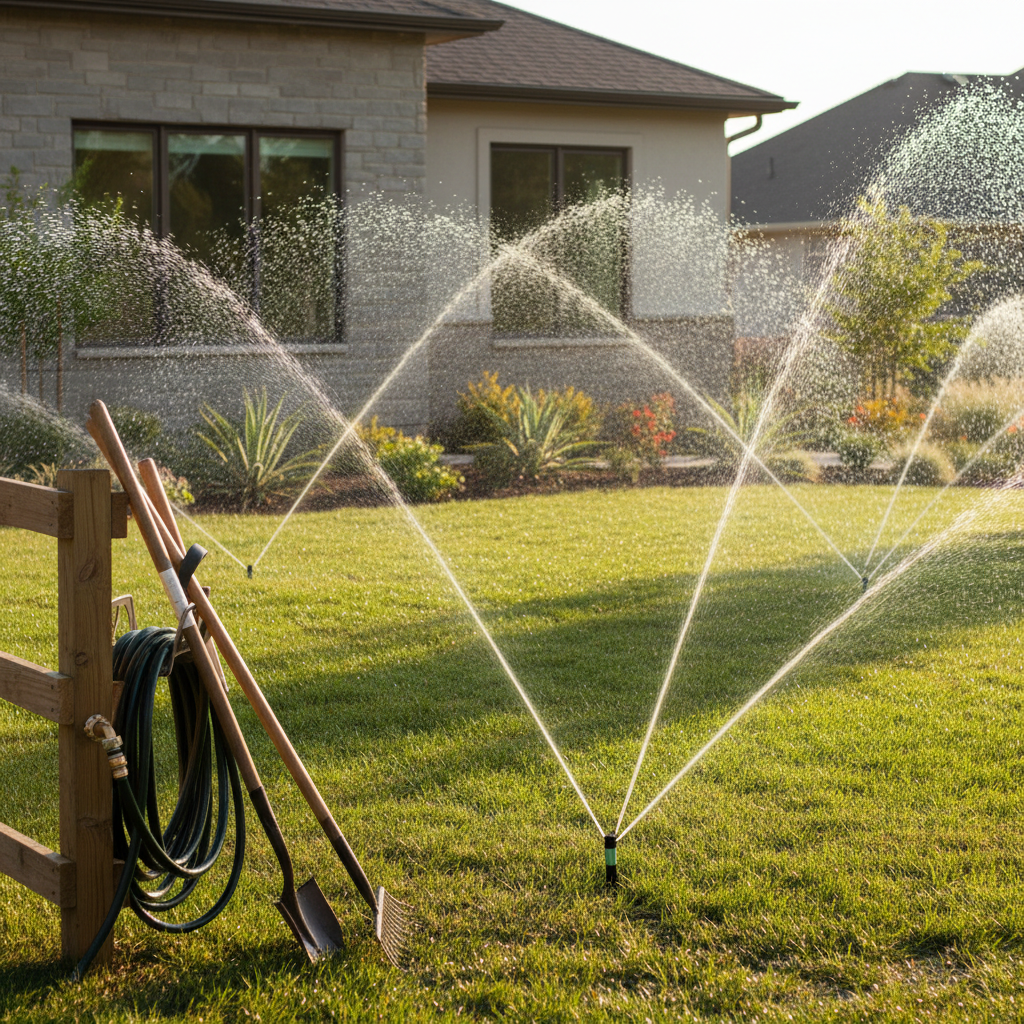
Every homeowner dreams of a vibrant, emerald-green lawn and thriving flower beds that make the neighbors stop and stare. But the reality of achieving that landscape often involves hours of dragging heavy hoses, forgetting to move the sprinkler, and dealing with patchy brown spots or overwatered marshes. An automated irrigation system is more than just a convenience; it is a precision tool designed to deliver the exact amount of water your plants need, exactly when they need it. In this comprehensive irrigation system guide, we will walk you through everything from choosing the right technology to maintenance secrets that will save you thousands of gallons of water and significant money on your monthly utility bills. Whether you are starting from scratch with a new build or looking to upgrade an aging system, understanding the nuances of modern irrigation is the first step toward a healthier, more sustainable outdoor space.
Understanding Irrigation Types: Sprinklers vs. Drip Systems
When diving into irrigation, the first decision you will face is which method of water delivery fits your landscape best. There is no one-size-fits-all solution; most successful yards actually use a hybrid approach. Traditional Sprinkler Systems are the workhorses of the lawn. These include pop-up spray heads, which are ideal for smaller turf areas, and rotors, which rotate a single stream of water over large distances. While effective for grass, they can be inefficient in windy conditions or in gardens where water hitting the foliage can lead to fungal diseases.
On the other hand, Drip Irrigation is the gold standard for flower beds, vegetable gardens, and shrubbery. By delivering water directly to the root zone through a network of low-pressure tubes and emitters, drip systems minimize evaporation and runoff. According to the EPA WaterSense program, drip irrigation can be upwards of 90% efficient compared to the 50-70% efficiency of traditional sprinklers. If you are looking to maximize every drop, incorporating drip zones into your plan is essential. To ensure you choose the right system for your specific soil type, check out our essential home maintenance guide for tips on assessing your property's needs.
The Anatomy of a High-Performance Irrigation System
An irrigation system is only as good as its weakest component. Understanding the hardware is crucial for troubleshooting and making informed upgrades. The Controller (or Timer) is the brain of the operation. Modern 'smart' controllers use local weather data to adjust watering schedules automatically. Next are the Valves, which act as the gatekeepers for each 'zone' of your yard. These are usually housed in a plastic box underground.
- Backflow Preventer: This is perhaps the most important safety component. It prevents stagnant irrigation water from flowing backward into your home's clean drinking water supply. Most municipalities require an annual inspection of this device.
- Piping: Typically made of PVC or high-density polyethylene (HDPE), these pipes are the arteries of your system, buried deep enough to avoid lawnmower blades but shallow enough for service access.
- Sensors: Rain sensors and soil moisture sensors are inexpensive add-ons that pay for themselves by shutting the system off when it is raining or when the ground is already saturated.
Planning Your Layout: The Art of Hydrozoning
One of the biggest mistakes homeowners make is watering their entire yard the same way. This leads to overwatered shrubs and crispy grass. The solution is Hydrozoning—grouping plants with similar water requirements into the same irrigation zone. For example, your thirsty Kentucky Bluegrass should be on a different valve than your drought-tolerant succulents. When designing your zones, consider the sun exposure: a south-facing slope will need significantly more water than a shaded area under a large oak tree.
You also need to account for 'head-to-head coverage.' This means the spray from one sprinkler head should reach the base of the next one. This prevents 'donut' patterns of dry grass. Designing a balanced system requires calculating your home's water pressure (PSI) and flow rate (GPM). If you have too many heads on one zone, the pressure will drop, and the heads won't pop up or spray correctly. If this sounds technical, it is because it is! Many homeowners use FIND-A-PRO to connect with certified irrigation designers who can map out a system that ensures 100% coverage without waste.
The Smart Revolution: Weather-Based Controllers
Gone are the days of 'set it and forget it' timers that run the sprinklers during a thunderstorm. Smart irrigation controllers have revolutionized home landscaping. These devices connect to your home Wi-Fi and pull real-time meteorological data. If the forecast calls for rain, the system skips a cycle. If a heatwave is coming, it adds a few extra minutes of soak time. Some advanced models can even detect leaks by monitoring the flow rate; if a pipe bursts, the controller shuts off the main valve and sends an alert to your smartphone. This technology not only keeps your plants healthier by preventing overwatering but can also reduce your outdoor water use by 15-30% annually.
Installation: DIY vs. Hiring a Professional
Can you install an irrigation system yourself? Technically, yes. You can rent a pipe vibratory plow and spend a weekend digging. However, irrigation is a trade that combines plumbing, electrical work, and horticulture. A professional installer knows how to navigate local building codes, secure the necessary permits, and properly tap into your main water line without causing pressure drops inside the house. When looking for a contractor, it is vital to vet them thoroughly. We recommend reading our guide on how to hire a service professional to ensure you are getting a licensed, insured, and experienced technician. Using a platform like FIND-A-PRO allows you to see verified reviews and compare quotes from local irrigation specialists who understand your region's specific soil and climate challenges.
Seasonal Maintenance and Winterization
An irrigation system is not a 'install and ignore' feature. It requires seasonal attention to perform at its peak. In the Spring, you should perform a 'startup' by slowly opening the main valve to avoid water hammer (a pressure surge that can burst pipes). Check every head for clogs or damage from snowplows. In the Summer, adjust your timer to account for the heat, but remember that watering deeply and less frequently encourages deeper root growth than short, daily bursts.
Winterization is the most critical maintenance task for homeowners in cold climates. If water remains in the pipes when the ground freezes, it will expand and crack the plastic. A professional 'blow-out' involves using a high-volume air compressor to purge all water from the lines. This is a task best left to pros, as using an improper compressor can melt the internal components of your valves or leave water pockets that lead to costly repairs come April.
Frequently Asked Questions About Home Irrigation
Q: How much does a professional irrigation system cost?
A: For an average quarter-acre residential lot, a professionally installed system typically ranges from $3,000 to $6,000. Factors influencing price include the number of zones, the complexity of the landscaping, and the type of controller chosen.
Q: What is the best time of day to water my lawn?
A: The ideal window is between 4:00 AM and 10:00 AM. During these hours, the air is cool and winds are calm, reducing evaporation. Watering at night is discouraged as it leaves foliage wet for too long, which can lead to mold and disease.
Q: How do I know if my system has a leak?
A: Keep an eye out for unusually soggy patches of grass, a sudden spike in your water bill, or low pressure at the sprinkler heads. You can also perform a 'meter test': turn off all water inside the house and check your water meter; if the dial is still moving, you likely have a leak in your main line.
Key Takeaways
Investing in a high-quality irrigation system is one of the smartest upgrades you can make for your home. Not only does it protect your investment in landscaping and increase your property value, but it also allows you to be a better steward of our planet's most precious resource. By choosing the right components, embracing smart technology, and committing to regular maintenance, you can enjoy a beautiful yard with minimal effort. Remember, while DIY projects can be rewarding, the complexity of irrigation often justifies a professional touch. When you're ready to take the next step, use FIND-A-PRO to connect with top-rated local irrigation professionals who can turn your vision of a perfect landscape into a lush, green reality.
