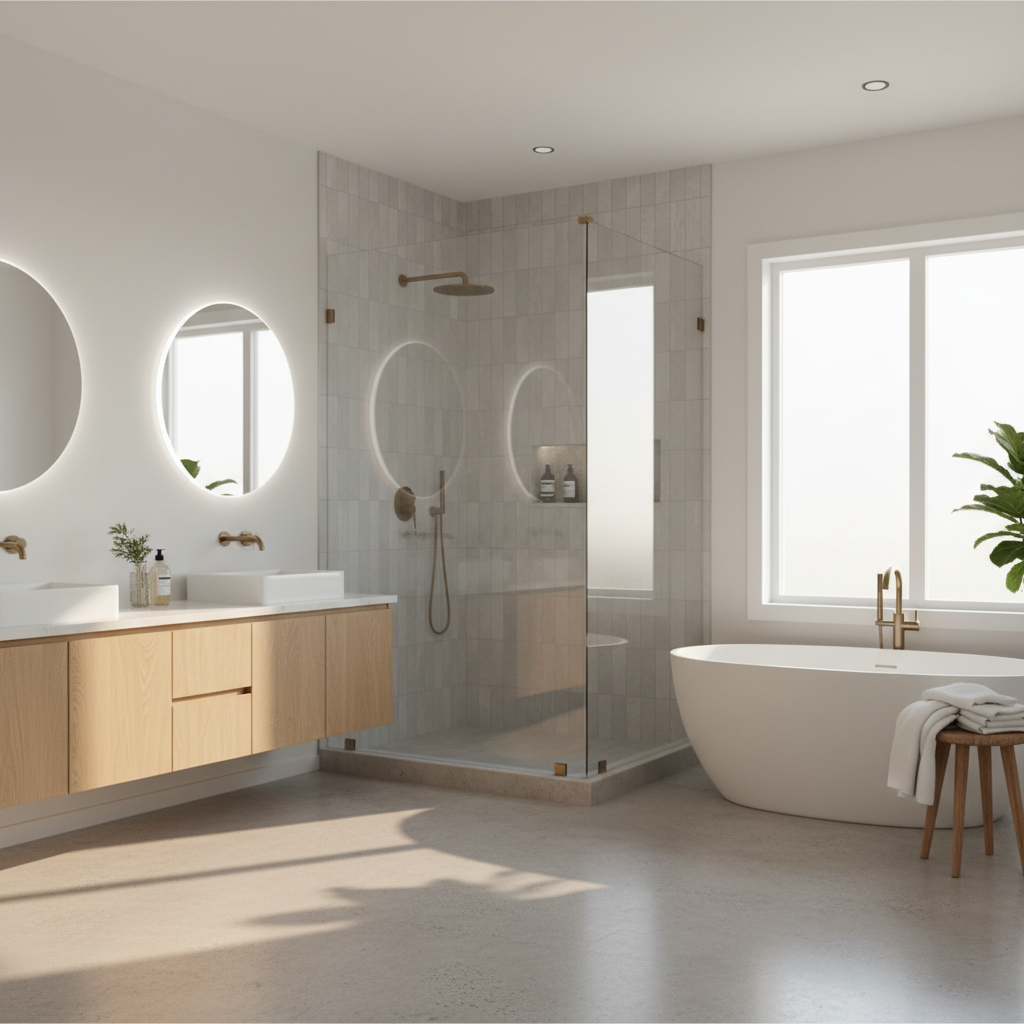
Your bathroom is more than just a functional necessity; it is a sanctuary where you start your day with purpose and end it with relaxation. Whether you are looking to update a dated guest bath or transform your master suite into a spa-like retreat, a bathroom remodel is one of the most rewarding home improvement projects you can undertake. Not only does it significantly enhance your daily quality of life, but it also offers one of the highest returns on investment (ROI) for homeowners. However, without a clear roadmap, the process can quickly become a maze of plumbing codes, permit requirements, and budget overruns. This guide is designed to walk you through every critical decision, from the initial budget blueprint to the final tile grout, ensuring your renovation is as seamless as it is beautiful.
Phase 1: Realistic Budgeting and Planning
Before you pick out a single piece of Carrara marble, you must establish a realistic budget. A mid-range bathroom remodel typically costs between $15,000 and $30,000, while high-end luxury transformations can easily exceed $60,000. To avoid financial stress, the 'Golden Rule' of remodeling is to set aside a 20% contingency fund. Bathrooms are notorious for hiding 'invisible' problems like water damage, mold, or outdated galvanized piping that only becomes apparent once the walls are opened.
When planning your spend, prioritize the elements that are difficult to change later. Invest in high-quality waterproofing systems and plumbing fixtures, as these are the bones of the room. If you are operating on a tighter budget, focus on high-impact cosmetic changes like new lighting, a modern vanity, and updated hardware. To get a better sense of how this fits into your overall property strategy, you might want to consult our essential home maintenance guide to see how bathroom health impacts your entire home. Remember, a remodel isn't just an expense; it is an investment in your home's equity.
Designing for Functionality and Flow
The layout is the most crucial aspect of your bathroom remodel. While it is tempting to move the toilet or shower to create a better flow, moving 'wet walls' (walls containing plumbing stacks) can add thousands to your bill. If your current layout is functional, try to keep the fixtures in their original locations. Instead, focus on maximizing the space you have. For small bathrooms, consider a floating vanity to expose more floor space, which creates the illusion of a larger room.
Think about the 'Work Triangle' of the bathroom—the path between the sink, the toilet, and the shower. There should be enough clearance for doors to swing fully without hitting fixtures. Storage is another critical design element often overlooked. Don't rely solely on the vanity; consider recessed medicine cabinets or built-in shower niches to keep surfaces clutter-free. Use strong, moisture-resistant materials for any custom cabinetry to ensure longevity in a high-humidity environment.
Choosing Materials: Aesthetics vs. Durability
In a bathroom, your choice of materials must be driven by water resistance. For flooring, porcelain tile is the industry standard because it is denser and less porous than ceramic. If you are looking for a high-end feel, natural stone like marble or slate is stunning but requires regular sealing to prevent staining and water penetration. Always check the COF (Coefficient of Friction) rating on floor tiles; you want a rating of 0.42 or higher to ensure the surface isn't dangerously slippery when wet.
For countertops, quartz is often preferred over granite because it is non-porous and doesn't require sealing. When it comes to fixtures, look for finishes like PVD (Physical Vapor Deposition) which are highly resistant to scratches and corrosion. If you're feeling overwhelmed by the technical specifications of different materials, finding an expert can help. You can easily use FIND-A-PRO to connect with local design consultants who specialize in material selection for humid environments.
Lighting and Ventilation: The Invisible Essentials
Poor lighting can ruin even the most expensive remodel. A well-designed bathroom uses three layers of light: Ambient (general overhead lighting), Task (focused lighting at the vanity), and Accent (lighting that highlights architectural features or tile work). Avoid placing lights directly above the head at the vanity, as this creates harsh shadows on the face; instead, place sconces at eye level on either side of the mirror.
Ventilation is the most important mechanical aspect of your bathroom. Without a high-quality exhaust fan, moisture will accumulate, leading to peeling paint and mold growth. Look for a fan with a low 'sone' rating (meaning it is quiet) and ensure it is vented to the outside, not just into your attic. For energy-conscious homeowners, check the Energy Star website for certified ventilation fans that offer high performance with lower energy consumption.
Hiring the Right Professionals
While DIY videos make bathroom remodeling look easy, the reality involves complex plumbing, electrical, and waterproofing skills. One mistake in a shower pan installation can lead to a leak that rots your floor joists over several years. Hiring a licensed, insured contractor is the best way to protect your investment. When vetting pros, ask for recent references and proof of insurance.
Before signing a contract, read our guide on how to hire a service professional to understand the red flags to look for. FIND-A-PRO simplifies this process by providing a platform where you can find verified local professionals who have the experience needed for complex bathroom renovations. A professional contractor will handle the permits, manage subcontractors, and ensure that everything is built to current building codes.
Sustainable Upgrades and Water Efficiency
Modernizing your bathroom is the perfect time to go green. High-efficiency toilets, low-flow showerheads, and aerated faucets can drastically reduce your water bill without sacrificing performance. Look for products with the EPA WaterSense label. These products are independently certified to use at least 20% less water than standard models.
Consider installing a 'smart' leak detection system. These devices can alert your phone if a pipe starts dripping behind a wall, potentially saving you thousands in future repairs. Additionally, heated flooring (radiant heat) is an energy-efficient way to keep the room comfortable, as it warms the objects in the room rather than just the air, allowing you to keep the thermostat a few degrees lower.
Common Questions About Bathroom Remodeling (FAQ)
Q: How long does a typical bathroom remodel take?
A: A full gut renovation usually takes between 3 to 5 weeks of active construction. However, planning, permitting, and ordering materials can add another 4 to 8 weeks to the total timeline.
Q: Do I need a permit for a bathroom remodel?
A: Yes, in most jurisdictions, any project that involves moving plumbing lines, changing electrical circuits, or altering structural walls requires a permit. Skipping permits can lead to issues when you try to sell your home.
Q: What is the best way to save money on a remodel?
A: Keep the existing layout to save on plumbing costs, choose a standard-sized tub or shower to avoid custom fabrication, and consider 'refacing' your vanity cabinet instead of replacing it if the box is in good condition.
Key Takeaways
Transforming your bathroom is a journey that requires careful navigation, but the results—a beautiful, functional space that adds value to your life and your home—are well worth the effort. By focusing on a solid budget, moisture-resistant materials, and professional craftsmanship, you can avoid the common pitfalls of home renovation. When you are ready to turn your vision into reality, remember that you don't have to go it alone. Use FIND-A-PRO to connect with highly-rated, local contractors who can bring expert skill and peace of mind to your project. Happy remodeling!
