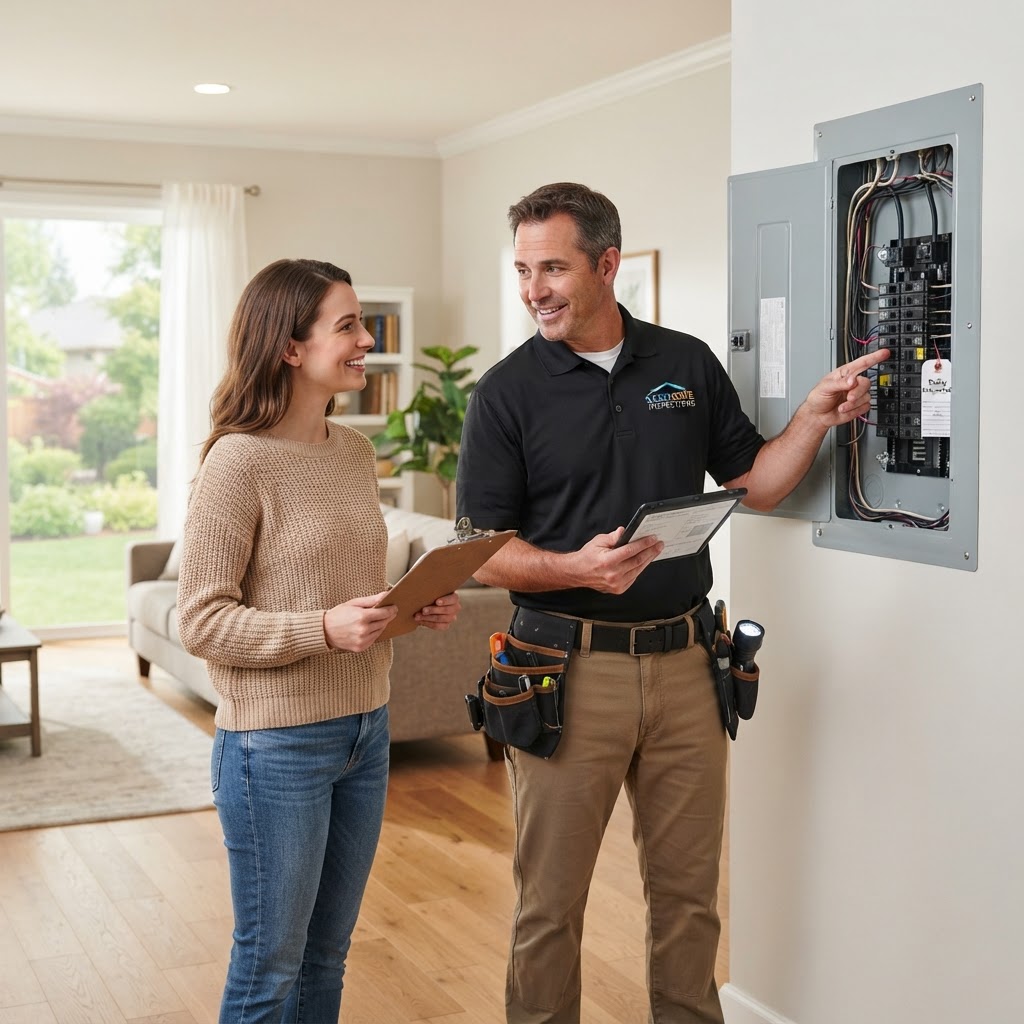
Your home is more than just a building; it is a sanctuary where your family grows and your most precious memories are made. However, even the most well-maintained houses can harbor hidden hazards that compromise your family's well-being and the integrity of your property. A comprehensive home safety inspection is not just a one-time event for homebuyers—it should be a regular ritual for every responsible homeowner. In this guide, we will walk through the critical areas of your home that require attention, from the electrical panel in the basement to the smoke detectors in the hallway. By the end of this article, you will have a clear roadmap for identifying risks and the knowledge of when to tackle a project yourself or when it is time to call in a verified expert from FIND-A-PRO.
The Core Pillars of a Home Safety Inspection
A truly effective home safety inspection focuses on three primary areas: prevention, detection, and mitigation. Prevention involves looking for hazards that could cause accidents, such as frayed wires or loose floorboards. Detection focuses on systems that alert you when something goes wrong, like smoke and carbon monoxide detectors. Mitigation involves having the right tools and plans in place to handle an emergency, such as fire extinguishers and clear exit routes.
Regular inspections should be performed at least twice a year, often coinciding with the change of seasons or daylight savings time. While many homeowners are capable of performing basic visual checks, certain systems require a level of expertise that only a licensed professional can provide. If you find yourself overwhelmed by the technical aspects of your home's infrastructure, remember that hiring a service professional is the best way to ensure no stone is left unturned.
Electrical Safety: Beyond the Light Switch
Electrical issues are a leading cause of residential fires. During your home safety inspection, start at the electrical panel. Look for signs of overheating, such as discoloration on the breakers or a burning smell. Pro tip: If your panel is made by Federal Pacific or Zinsco, these are known for failure and should be replaced immediately by a professional.
- Check your Outlets: Ensure all outlets are tight. Loose connections can cause arcing and fires. If a plug falls out of an outlet easily, the internal contacts are worn and the outlet needs replacement.
- GFCI and AFCI Protection: Ground Fault Circuit Interrupters (GFCIs) are essential in 'wet' areas like kitchens, bathrooms, and garages. Test them monthly by pressing the 'test' and 'reset' buttons. Arc Fault Circuit Interrupters (AFCIs) protect against sparks and should be installed in bedrooms and living areas.
- Extension Cord Usage: Extension cords are meant for temporary use. If you have cords running under rugs or stapled to baseboards, you need more permanent outlets installed.
Electrical work is notoriously dangerous for DIYers. If you notice flickering lights, buzzing sounds, or frequently tripped breakers, it is time to browse FIND-A-PRO to connect with a licensed electrician who can perform a deep-dive safety audit.
Fire Prevention and Life Safety Systems
When it comes to fire safety, seconds count. Your detection system is your first line of defense. Most homeowners have smoke detectors, but many are outdated or improperly placed.
- The 10-Year Rule: Smoke detectors have an expiration date. Check the manufacture date on the back of the unit; if it is more than 10 years old, replace it immediately.
- Dual-Sensor Technology: For maximum safety, use 'dual-sensor' alarms that include both ionization and photoelectric sensors. This allows the device to detect both fast-flaming fires and slow-smoldering fires.
- Placement Strategy: Install alarms inside every bedroom, outside each sleeping area, and on every level of the home, including the basement.
- Fire Extinguishers: You should have at least one 'ABC' rated fire extinguisher on every floor, particularly in the kitchen and garage. Check the pressure gauge regularly to ensure it is in the green zone.
Don't forget to check your dryer vent. Lint buildup is a massive fire hazard. Ensure the vent is made of rigid metal rather than flexible plastic, and clean it from the back of the dryer to the exterior exit at least once a year.
Indoor Air Quality: Detecting the Invisible Killers
Not all home hazards are visible. Carbon monoxide (CO) and radon are two of the most dangerous threats because they are odorless and colorless. According to the EPA's Radon Guide, radon is the second leading cause of lung cancer in the United States, and it can seep into any home regardless of its age or location.
Your inspection should include:
- Carbon Monoxide Detectors: Place these near sleeping areas and on every floor. Since CO is slightly lighter than air, these should be placed at knee height or on the ceiling, depending on the manufacturer's instructions. Replace them every 5-7 years.
- Radon Testing: Purchase a DIY radon test kit or hire a professional to perform a long-term test. If levels are above 4 pCi/L, you will need a mitigation system.
- Fuel-Burning Appliances: Inspect your furnace, water heater, and gas stove. A pilot light should always burn blue; a yellow or orange flame indicates incomplete combustion and potential CO leakage.
Structural Integrity and Fall Prevention
Slips, trips, and falls are the leading cause of non-fatal injuries in the home. Your inspection should cover both the interior and exterior structural elements.
- Stairs and Railings: Check that all handrails are secure and can support significant weight. Stair treads should be even and free of loose carpeting or debris.
- Exterior Walkways: Inspect sidewalks and driveways for cracks or 'heaving' caused by tree roots. These create trip hazards that can lead to serious injury.
- Lighting: Ensure all entryways, hallways, and stairwells are brightly lit. Consider installing motion-sensor lighting for exterior paths.
- Deck Safety: Check the 'ledger board'—where the deck meets the house. This is a common point of failure. Look for rusted bolts or rotting wood.
For a detailed breakdown of seasonal structural checks, consult our Essential Home Maintenance Guide to keep your property's value and safety intact.
Water Safety and Plumbing Hazards
While we often think of plumbing issues as 'leaks,' they are also safety hazards. Water damage can lead to mold growth, which causes respiratory issues, and high water temperatures can lead to scalding.
- Water Heater Temperature: Check your water heater's thermostat. It should be set to no higher than 120 degrees Fahrenheit (49 degrees Celsius) to prevent burns, especially in homes with children or seniors.
- Visible Leaks: Look under sinks and around the base of the toilet. Small leaks lead to soft subflooring, which can eventually collapse.
- Sump Pump: If you have a basement, test your sump pump by pouring a bucket of water into the pit to ensure it triggers. A failed sump pump during a storm can lead to catastrophic flooding and electrical hazards.
Frequently Asked Questions About Home Safety Inspections
Q: How often should I perform a full home safety inspection?
A: You should do a basic walk-through every month (testing smoke alarms and GFCIs) and a comprehensive inspection twice a year. Professional inspections are recommended every 3-5 years or when moving into a new home.
Q: What is the most common safety hazard found in homes?
A: Outdated electrical systems and expired smoke detectors are the two most common hazards. Many homeowners forget that smoke detectors only last 10 years and carbon monoxide detectors last about 7 years.
Q: Can I do a home safety inspection myself, or do I need a pro?
A: You can certainly perform the visual checklist yourself. However, for specialized systems like the main electrical panel, gas lines, or structural foundations, hiring a verified expert from FIND-A-PRO ensures that hidden issues are identified before they become emergencies.
Key Takeaways
Conducting a thorough home safety inspection is one of the most proactive steps you can take to protect your family and your financial investment. By methodically checking your electrical, fire, air quality, and structural systems, you transform your home from a place of potential risk to a fortress of security. While DIY checks are an excellent starting point, nothing replaces the peace of mind that comes from a professional evaluation. If your inspection reveals issues that are beyond your comfort zone—or if you simply want an expert set of eyes on your property—use FIND-A-PRO to connect with highly-rated, local professionals who specialize in home safety. Stay vigilant, stay prepared, and keep your sanctuary safe.
