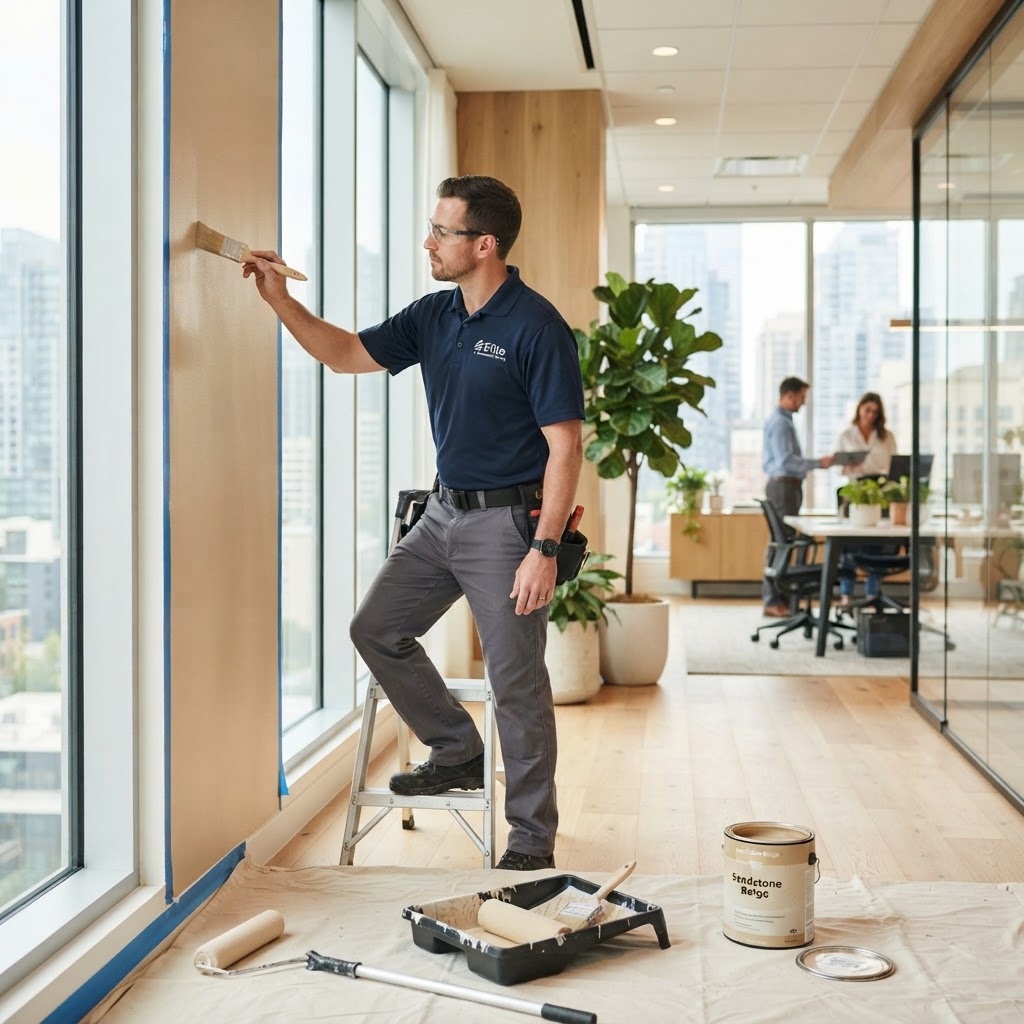
Whether you are a homeowner managing a multi-family rental, a small business owner looking to refresh your storefront, or a dedicated property manager, understanding the nuances of commercial painting is essential for protecting your investment. Commercial painting is far more than just a change of color; it is a critical component of facility maintenance that impacts your property's structural integrity, aesthetic appeal, and overall market value. Unlike standard residential projects, commercial jobs involve high-performance materials, complex safety protocols, and tight timelines designed to minimize business disruption. In this comprehensive guide, we will walk you through everything from identifying the right coatings to navigating the hiring process, ensuring your next project is handled with the precision and professionalism it deserves.
Commercial vs. Residential Painting: Understanding the Difference
To the untrained eye, painting might seem like a universal task. However, commercial painting operates on an entirely different scale compared to residential work. The primary differences lie in the durability of materials, the methods of application, and the project logistics. Residential painting usually focuses on aesthetics and comfort, using latex-based paints that are easy to apply and clean. In contrast, commercial painting requires heavy-duty coatings designed to withstand high traffic, harsh weather, and industrial wear and tear.
Commercial projects often involve larger surface areas, such as expansive warehouses, retail centers, or apartment complexes. This requires specialized equipment like boom lifts, scaffolding, and high-volume airless sprayers. Furthermore, the scheduling for commercial work is often dictated by the need to keep businesses operational. A professional team might work overnight or during weekends to ensure that customers and tenants are not inconvenienced. When you are looking for the right team to handle these complexities, platforms like FIND-A-PRO can help you connect with verified experts who specialize in these large-scale requirements.
Essential Preparation and Surface Analysis
The secret to a long-lasting paint job is not the paint itself, but the preparation that happens before the first drop is applied. For commercial properties, this phase is incredibly rigorous. It begins with a thorough cleaning, often involving pressure washing to remove years of accumulated grime, grease, and environmental pollutants. If the surface is masonry or concrete, professionals will check for moisture levels and pH balance to ensure the paint will bond correctly.
Surface repair is the next critical step. This includes patching cracks in stucco, replacing rotted wood, and sanding down metal surfaces to remove rust. In older buildings, you must also be aware of lead-based paint. According to the U.S. Environmental Protection Agency (EPA), any renovation or painting project in a building built before 1978 must follow Lead-Safe Work Practices to prevent lead contamination. Neglecting this step is not just a safety hazard; it can result in significant legal liabilities for property owners.
Choosing High-Performance Commercial Coatings
When selecting paint for a commercial project, 'residential grade' simply won't cut it. You need materials that can endure constant cleaning and physical contact. Epoxy coatings are a popular choice for floors and high-moisture areas because of their incredible hardness and resistance to chemicals. Urethane and Polyurethane finishes are often used for exterior metal surfaces because they provide excellent UV protection and gloss retention, preventing the building from looking faded after just a few years.
- Low-VOC and No-VOC Paints: Essential for indoor environments like offices or healthcare facilities where air quality is a priority.
- Intumescent Coatings: Specialized fire-retardant paints that can provide additional safety for structural steel.
- Elastomeric Coatings: Ideal for exterior masonry, these paints can stretch and contract, bridging small cracks and providing a waterproof seal.
By investing in higher-quality materials now, you significantly extend the lifecycle of your paint job, reducing the total cost of ownership over the next decade.
Budgeting and Navigating Project Costs
Budgeting for a commercial painting project requires looking beyond the price per gallon. Several factors influence the final quote, including the total square footage, the complexity of the architecture, and the current condition of the substrate. Accessibility is another major cost driver; if your building requires specialized lifting equipment or if the painters must work around power lines, the labor costs will reflect that complexity.
It is also important to account for 'off-hours' labor. Many commercial contractors charge a premium for night or weekend work, but this cost is often offset by the fact that your business remains open during regular hours. To get a better handle on how to manage these expenses and ensure you are getting a fair deal, we recommend reviewing our essential home maintenance guide which includes tips on budgeting for large-scale property improvements. A detailed bid should break down costs for materials, labor, equipment rentals, and any necessary permits.
How to Hire a Reliable Commercial Painting Professional
Hiring a commercial painter is a business decision that carries significant weight. You are not just hiring someone to use a brush; you are hiring a partner who will manage safety, logistics, and quality control on your property. First, ensure the contractor is fully licensed and carries both general liability and workers' compensation insurance. This protects you from liability should an accident occur on-site.
Ask for a portfolio of similar projects. A contractor who primarily paints residential bedrooms may not be equipped to handle a 50,000-square-foot warehouse. Request references and actually call them to ask about the contractor's punctuality, communication, and ability to stay on budget. For a step-by-step breakdown of the vetting process, check out our guide on how to hire a service professional. Using a trusted resource like FIND-A-PRO allows you to quickly filter for pros who have already been vetted for quality and reliability, saving you hours of research.
Safety Standards and OSHA Compliance
Safety is the most critical aspect of any commercial painting job. Because these projects often involve working at heights and using volatile chemicals, contractors must strictly adhere to safety regulations. The Occupational Safety and Health Administration (OSHA) mandates specific protocols for ladder safety, fall protection, and the use of personal protective equipment (PPE). A reputable contractor will have a written safety plan and will conduct 'toolbox talks' with their crew to ensure everyone is aware of site-specific hazards.
As a property owner, you should confirm that the team uses appropriate containment strategies to prevent paint overspray from damaging vehicles or neighboring buildings. Proper ventilation is also a must for interior projects to ensure that fumes do not linger and create a health hazard for occupants. Always ask your contractor how they plan to handle hazardous waste disposal, such as leftover paint or solvents, to stay compliant with local environmental laws.
The Commercial Painting Process: What to Expect
A typical commercial painting project follows a structured workflow to ensure efficiency. It begins with a pre-construction meeting where the timeline, staging areas, and communication protocols are established. Following this, the crew will move into the masking and protection phase, covering windows, landscaping, and office equipment with plastic and drop cloths. Once the environment is secure, the actual surface preparation (washing, scraping, priming) begins.
The application phase is often the fastest part of the process, thanks to high-efficiency sprayers. However, it requires multiple coats with proper drying times between them to ensure a durable finish. Finally, the project concludes with a walk-through and punch list. This is your opportunity to inspect the work with the foreman and identify any spots that need touch-ups before final payment is issued. A professional finish should look uniform, with clean lines and no signs of bubbling, peeling, or uneven sheen.
Frequently Asked Questions About Commercial Painting
Q: How long does a commercial painting project typically take?
A: The duration depends on the size and scope, but most medium-sized commercial projects take between one and three weeks. Factors like weather (for exterior work) and the level of prep work required can shift this timeline.
Q: How often should a commercial building be repainted?
A: Generally, every 5 to 7 years. However, high-traffic interiors or buildings in harsh coastal environments may need attention every 3 to 4 years to maintain their protective barrier and appearance.
Q: Can I stay open for business while the painting is being done?
A: Yes! Most professional commercial painters specialize in 'non-disruptive' workflows, meaning they can work in sections or during off-hours to ensure your business operations continue smoothly.
Q: Is there a difference between industrial and commercial painting?
A: Yes. Industrial painting focuses almost entirely on functionality and protection in harsh environments (like power plants), whereas commercial painting balances durability with aesthetics for public-facing spaces.
Key Takeaways
Investing in a professional commercial paint job is one of the most effective ways to enhance your property's curb appeal and protect its long-term value. By understanding the importance of high-performance materials, rigorous surface preparation, and strict safety standards, you can ensure your project is a success. Remember that the quality of your finish is only as good as the team you hire. When you are ready to start your next project, let FIND-A-PRO connect you with top-rated, verified commercial painters in your area who can bring your vision to life with expertise and care.
