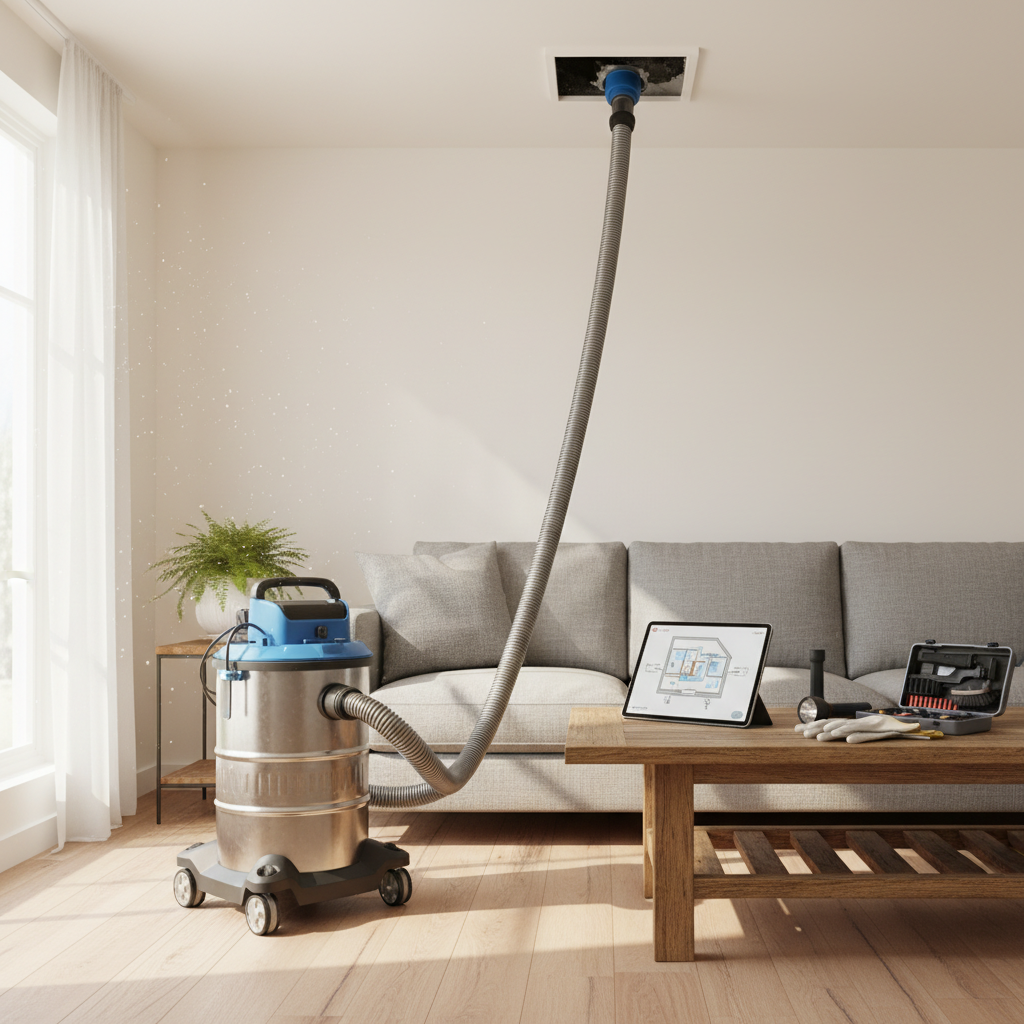
Every time your heating or cooling system kicks on, it breathes. It pulls air from your living spaces, conditions it, and pushes it back out through a complex network of hidden channels known as ductwork. Over years of operation, these 'lungs' of your home can accumulate more than just a little dust. From pet dander and pollen to construction debris and microscopic mold spores, your ducts can become a reservoir for contaminants that affect both your health and your monthly utility bills. This comprehensive duct cleaning guide is designed to peel back the mystery of what happens inside your walls. We will explore whether your home actually needs a cleaning, how the professional process works, and how to avoid the common scams that plague this industry so you can ensure your family breathes easier.
What Exactly is Air Duct Cleaning?
At its core, air duct cleaning is the process of removing dust and contaminants from the entire forced-air system of a home. This isn't just a matter of vacuuming out the vents you can see. A truly professional service, as defined by the National Air Duct Cleaners Association (NADCA), involves cleaning the supply and return air ducts, the registers, the grilles, the heat exchangers, and the cooling coils. If one component is left dirty, it can quickly re-contaminate the rest of the system.
Think of your HVAC system like a circulatory system. If the 'arteries' (the supply ducts) are clogged with debris, the 'heart' (the blower motor and furnace) has to work twice as hard to pump air. A thorough cleaning ensures that air flows freely, reducing mechanical strain and improving the overall efficiency of your equipment. Many homeowners find that after a professional cleaning, their homes feel less 'stale' and the layer of dust that usually accumulates on furniture takes much longer to appear.
Signs Your Home Actually Needs Duct Cleaning
While some companies suggest cleaning your ducts every year, the U.S. Environmental Protection Agency (EPA) suggests a more measured approach. You don't necessarily need a cleaning on a fixed schedule; instead, you should look for specific indicators of contamination.
- Visible Mold Growth: If you see patches of black, green, or fuzzy growth inside your hard-surface ducts or on other components of your HVAC system, it is time for an immediate inspection. Note that mold must be laboratory-confirmed, as many harmless substances can look like mold.
- Excessive Dust and Debris: If your registers are releasing visible puffs of dust or if you notice a thick coating of 'fuzz' inside the vents, your system is likely overloaded.
- Unexplained Allergy Symptoms: If family members experience increased sneezing, coughing, or itchy eyes specifically when the HVAC system is running, the ducts may be circulating allergens.
- Pest Infestation: If rodents or insects have made a home in your ductwork, they leave behind droppings and nesting materials that can be harmful if aerosolized.
- After Major Renovation: Construction is messy. Sawdust, drywall dust, and other fine particulates often find their way into the return vents during a remodel, even if you try to cover them.
The Benefits: More Than Just Clean Air
Investing in professional duct cleaning offers several tangible benefits that go beyond just 'cleaner' air. First and foremost is Improved Indoor Air Quality (IAQ). For households with asthma sufferers or individuals with respiratory sensitivities, removing the constant cycle of dander and pollen can provide significant relief. It creates a healthier environment for children and the elderly, who are more susceptible to airborne irritants.
Secondly, there is the Energy Efficiency factor. When dust buildup coats the cooling coils or the blower fan, your system's efficiency drops significantly. According to the Department of Energy, even a small amount of buildup on a coil can reduce its effectiveness. By cleaning these components, you allow the system to reach your desired temperature faster, which can lead to lower monthly energy bills. Furthermore, clean systems last longer. By reducing the friction and strain caused by debris, you extend the lifespan of your expensive furnace and air conditioner. If you are looking to integrate this into a larger home upkeep plan, check out our essential home maintenance guide for more tips on keeping your systems peak-performing.
The Professional Process: What to Expect
A legitimate duct cleaning service is not a 20-minute job. Depending on the size of your home, it should take between three to five hours. A professional from FIND-A-PRO will typically follow these steps:
- Initial Inspection: The technician should use a camera or a mirror to show you the state of the ducts before starting.
- Negative Pressure Setup: They will hook a high-powered vacuum (often truck-mounted) to the main trunk of your ductwork. This creates negative pressure, ensuring that any dust loosened during the process is sucked into the vacuum and not blown into your living rooms.
- Agitation: Using specialized brushes, 'air whips,' and compressed air tools, the technician will scrub the interior walls of the ducts to dislodge stuck-on debris.
- Component Cleaning: They should also clean the blower motor, the drain pan, and the evaporator coils.
- Final Walkthrough: A reputable pro will show you the 'after' results to ensure the work was performed to your satisfaction.
How to Hire a Professional and Avoid Scams
The duct cleaning industry is unfortunately prone to 'blow-and-go' scams—companies that offer incredibly low prices (like $99 whole-house specials) only to do a superficial job and then up-sell you on unnecessary 'mold treatments.' To protect yourself, always verify that the company is a member of NADCA. These professionals are held to high standards of cleaning and ethical behavior.
Before signing a contract, ask if they use HEPA-filtered vacuum equipment if they are exhausting air inside the home. Ask for a written estimate that covers the entire system. A good rule of thumb is to avoid any company that makes 'health claims' that duct cleaning will cure specific ailments, as the science on this is still evolving. Using a platform like FIND-A-PRO helps you bypass these risks by connecting you with verified, high-quality local professionals who have already been vetted for their reliability. For more advice on vetting contractors, read our guide on how to hire a service professional.
Estimated Costs and Frequency
So, what should you expect to pay? Generally, a professional duct cleaning for a standard single-family home ranges from $450 to $1,000. Prices vary based on the number of vents, the size of the unit, and the level of contamination. If a price seems too good to be true, it almost certainly is.
Regarding frequency, most experts suggest cleaning every 3 to 5 years. However, if you have multiple pets that shed, live in a high-pollen area, or have recently completed a major home addition, you might opt for a more frequent schedule. It is always better to inspect first and clean only when necessary, rather than following a rigid annual schedule that may not be needed.
Proactive Maintenance: Keeping Ducts Clean
Once your ducts are clean, you want to keep them that way. The most effective thing you can do is change your air filters regularly. Use high-quality pleated filters with a MERV rating between 8 and 11 for residential systems. This traps the majority of dust before it ever enters the ductwork. Additionally, ensure that your dryer vent is cleaned annually, as lint buildup can pose a fire hazard and put back-pressure on your home's airflow. Finally, maintain a clean home through regular vacuuming and dusting to reduce the amount of particulate matter that the return vents can pull in.
Frequently Asked Questions (FAQ)
Q: How often should you get your air ducts cleaned?
A: Most homeowners should consider a professional cleaning every 3 to 5 years. However, if you notice visible mold, have a pest infestation, or are moving into a newly constructed home, you should have them cleaned immediately.
Q: Will duct cleaning create a mess in my house?
A: If done correctly using a high-powered vacuum system and negative pressure, no dust should escape into your home. A professional technician will also use drop cloths and shoe covers to protect your flooring.
Q: Does duct cleaning actually lower my energy bill?
A: Yes, it can. By removing debris from the cooling coils and the blower fan, your HVAC system operates more efficiently, which reduces the energy required to heat or cool your home.
Q: Can I clean the ducts myself?
A: While you can vacuum out the registers and the area immediately behind them, a DIY approach cannot reach the deep trunk lines or provide the negative pressure needed to remove all contaminants. For a proper deep clean, professional equipment is required.
Key Takeaways
Maintaining clean air ducts is a critical but often overlooked component of home ownership. By understanding the signs of contamination and the importance of a thorough, professional cleaning process, you can ensure your home remains a healthy haven for your family while protecting your investment in your HVAC system. Remember, the key to a successful service is hiring the right person for the job. Avoid the 'too-good-to-be-true' offers and look for certified experts who prioritize quality and transparency. When you are ready to breathe easier, use FIND-A-PRO to find a verified local HVAC specialist who can provide a comprehensive inspection and get your system back to its peak performance.
