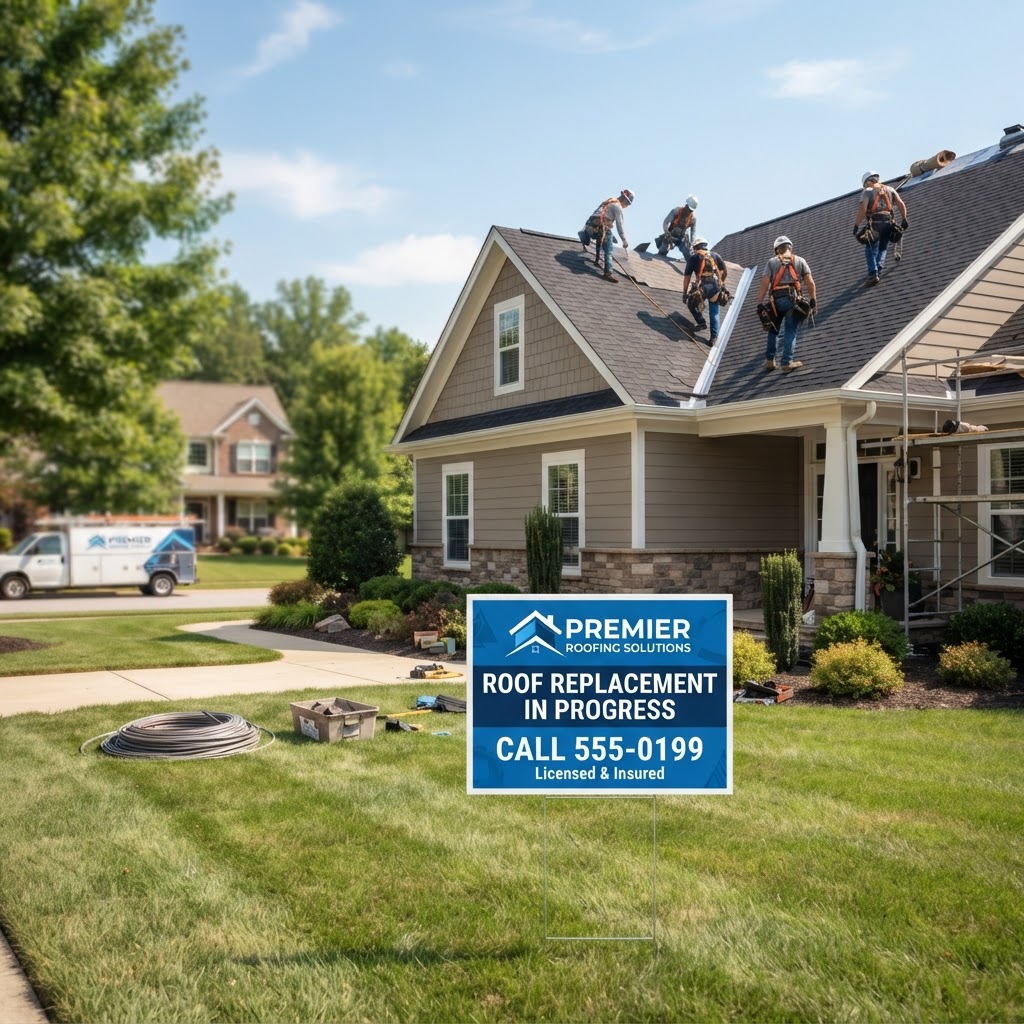
Your home is likely your most significant investment, and the roof is its first line of defense against the elements. However, because it is often out of sight, it remains out of mind until a major leak or structural issue occurs. Recognizing the early roof replacement signs can save you thousands of dollars in secondary damage to your ceilings, walls, and flooring. In this guide, we will walk you through the subtle and not-so-subtle indicators that your roof is nearing the end of its functional life. Whether you are dealing with aging shingles or mysterious attic moisture, understanding these red flags will help you make an informed decision about when to repair and when to replace.
1. The Age of Your Roof: Understanding the Lifespan
One of the most objective roof replacement signs is the calendar. Most residential roofs are constructed using asphalt shingles, which typically have a lifespan of 20 to 25 years. If your roof was installed over an existing layer of shingles (a 're-roof'), that lifespan can be significantly shorter, often requiring replacement after just 15 to 20 years. Even if the roof looks decent from the ground, the chemical components of the shingles begin to break down after two decades of exposure to UV rays and temperature fluctuations.
It is essential to check your home improvement records to find out when the roof was last replaced. If you moved into the house recently and are unsure of the age, you can often find this information in a home inspection report or by asking a neighbor when the neighborhood was built. If your roof is approaching the 20-year mark, it is time to start budgeting for a replacement. Proactive planning is always better than an emergency replacement during a storm. For more tips on managing your property's longevity, check out our essential home maintenance guide.
2. Curling, Buckling, and Cracked Shingles
When shingles reach the end of their life, they lose their flexibility and begin to deform. You should look for two specific types of curling: cupping and clawing. Cupping happens when the edges of the shingles turn upward, while clawing occurs when the edges stay flat but the middle starts to come up. Both are signs of weathering and indicate that the shingles are no longer shedding water effectively. High winds can easily catch these curled edges and rip the shingles right off the deck.
Cracked shingles are another major red flag, often caused by thermal expansion and contraction as the roof heats up during the day and cools at night. If you notice localized cracking, you might be able to get away with a repair. However, if the cracking is random and spread across different sections of the roof, it is a clear sign that the entire surface is failing. This is a common issue in climates with extreme temperature swings. If you are unsure about the extent of the damage, using FIND-A-PRO can help you connect with a local expert who can provide a professional assessment.
3. Granules in the Gutters: The 'Sand' Warning
Have you noticed what looks like coarse black sand in your gutters or at the bottom of your downspouts? These are shingle granules. Asphalt shingles are coated with these granules to protect the underlying bitumen from damaging UV rays. As a roof ages, the bond between the granules and the asphalt weakens, and they begin to wash away during rainstorms. While a small amount of granule loss is normal for a brand-new roof (known as 'sloughing'), a significant accumulation in an older roof is a serious warning sign.
Without these granules, the shingles become brittle and prone to cracking. They also lose their fire resistance and reflect less heat, which can lead to higher cooling costs in the summer. If you see 'bald spots' on your shingles where the dark substrate is visible, the integrity of your roof is compromised. This is the stage where you should definitely start looking for a qualified contractor. For advice on vetting these experts, read our guide on how to hire a service professional.
4. Daylight and Moisture in the Attic
You do not always have to climb a ladder to find roof replacement signs; sometimes, you just need a flashlight and a trip to the attic. On a bright day, turn off the attic lights and look up at the roof boards. If you see pinpricks of daylight peeking through, you have holes that are allowing water into your home. Even if you don't see a puddle on the floor yet, moisture is likely entering and soaking into your insulation or wooden rafters.
Check the underside of the roof deck for dark stains, streaks, or areas where the wood looks soft or rotted. Feel the insulation to see if it feels damp or compressed. Moisture in the attic is a precursor to mold growth and structural decay. According to the Energy Star program, a well-ventilated and sealed attic is crucial for home efficiency, and a failing roof makes it impossible to maintain these standards. If your attic is showing signs of chronic dampness, a full replacement is often the only way to ensure the structural boards are healthy.
5. Sagging Rooflines and Structural Integrity
A sagging roof is perhaps the most alarming of all roof replacement signs. A roofline should generally be straight and crisp. If you notice a dip, curve, or 'swale' in the ridge or the slopes of the roof, you are likely looking at a structural issue. Sagging can be caused by long-term water damage that has rotted the decking (the plywood sheets under the shingles) or the underlying rafters. It can also be caused by excessive weight, such as multiple layers of shingles or heavy snow loads.
Question: Is a sagging roof an emergency?
Answer: Yes. A sagging roof indicates that the structural supports are compromised. If left unaddressed, it could lead to a partial or total roof collapse. You should contact a professional immediately to determine if the issue is just the decking or if the actual trusses require reinforcement. This is not a project for a DIY enthusiast; it requires the expertise of a licensed roofing contractor who understands load-bearing requirements.
6. The Growth of Moss, Algae, and Fungi
While some homeowners think a bit of moss gives their home a 'charming' look, roofing professionals see it as a threat. Moss acts like a sponge, holding moisture against the shingle surface for extended periods. In cold climates, this moisture can freeze and thaw, causing the shingles to crack and lift. Algae (which often appears as dark green or black streaks) is less damaging than moss but can still eat away at the limestone filler used in many asphalt shingles.
If you see fungi or mushrooms growing on your roof, it means the wood underneath is likely rotting. Fungi need organic matter and moisture to survive, and a decaying roof deck provides the perfect environment. While you can sometimes clean algae and moss, their presence often indicates that the roof is staying too damp for too long, which accelerates the aging process. If the growth is widespread, it is often more cost-effective to replace the roof with modern, algae-resistant shingles.
7. Damaged Flashing and Failing Valleys
Flashing is the metal material (usually aluminum or galvanized steel) installed around chimneys, vents, and skylights to redirect water away from these vulnerable joints. If the flashing is rusted, cracked, or missing, water will find its way into your home. Older homes often used roof cement or tar for flashing, but modern standards dictate metal for its durability. If your flashing is failing, it is often a sign that the entire roof system is outdated.
Pay special attention to the 'valleys' of your roof—the areas where two slopes meet. This is where the highest volume of water flows during a storm. If the shingles in the valleys are missing or falling apart, you are at high risk for a major leak. Roof replacement projects allow you to install modern, high-quality underlayment and ice and water shields in these critical areas, providing much better protection than the methods used 20 years ago.
Frequently Asked Questions About Roof Replacement
Q: How long does a typical roof replacement take?
A: For an average-sized residential home, a professional crew can usually complete a roof replacement in 1 to 3 days, depending on the complexity of the roof and the weather conditions.
Q: Can I just put new shingles over my old ones?
A: While 're-roofing' is possible in some areas, it is generally not recommended. It adds significant weight to your home, prevents the inspection of the underlying deck for rot, and often voids the manufacturer's warranty on the new shingles.
Q: Will my homeowners insurance cover a roof replacement?
A: Insurance typically covers roof replacement if the damage is caused by a sudden 'peril' like a hailstorm or a fallen tree. However, they usually do not cover replacement due to old age or lack of maintenance. This is why documenting roof replacement signs early is so important.
Key Takeaways
Recognizing roof replacement signs early is the key to protecting your home from expensive water damage and structural failure. From checking the age of your shingles to inspecting your attic for daylight, being a proactive homeowner pays off in the long run. If you've noticed any of the red flags mentioned in this guide—especially sagging or widespread shingle damage—don't wait for the next big storm to take action. When you're ready to get a professional opinion, FIND-A-PRO is here to help. We connect you with verified, local roofing experts who can provide honest assessments and high-quality craftsmanship, ensuring your home stays safe and dry for decades to come.
