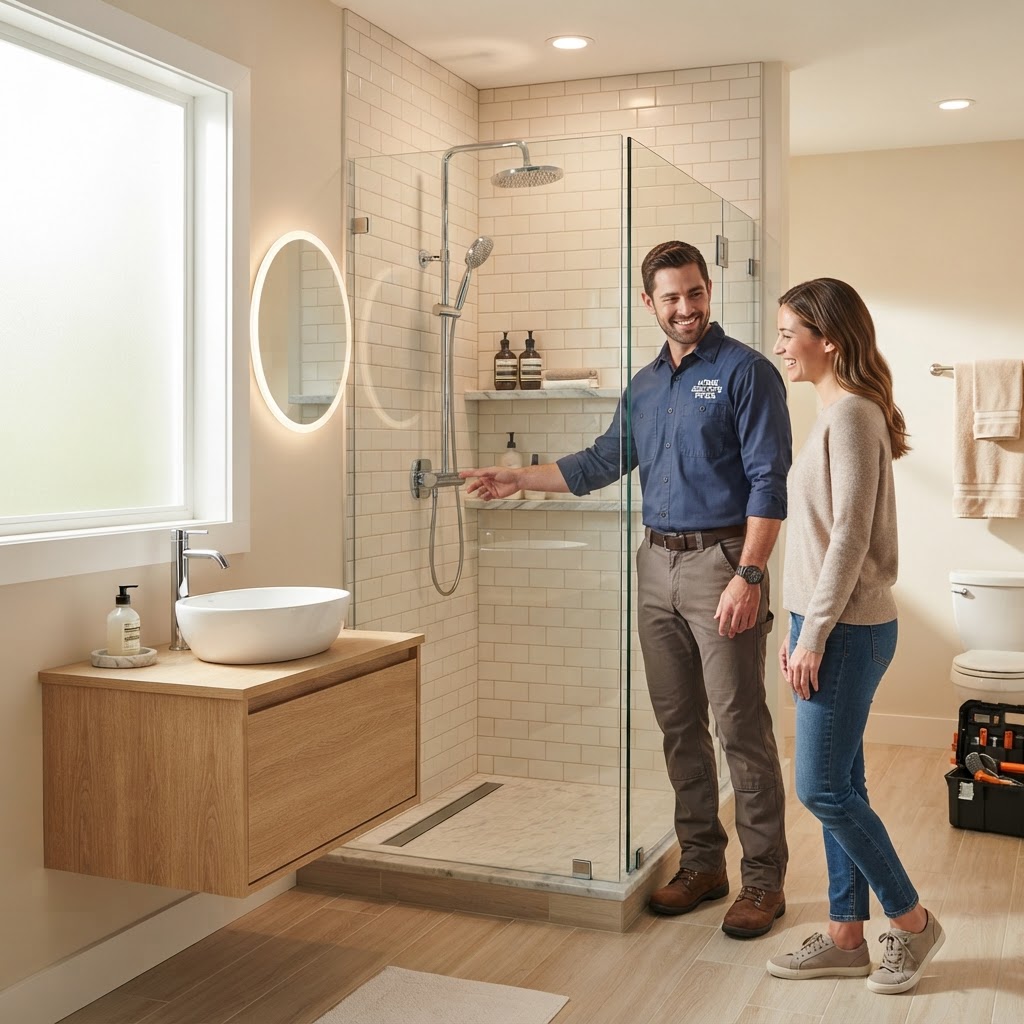
The bathroom is no longer just a functional space; it has evolved into a sanctuary for relaxation and a key driver of a home's overall market value. When homeowners think about remodeling, they often focus on the aesthetics—the tile, the vanity, or the paint color. However, the true heartbeat of any bathroom lies behind the walls and within the fixtures. High-quality bathroom plumbing upgrades can significantly improve your daily routine, reduce monthly utility bills, and prevent costly water damage down the line. Whether you are looking to create a spa-like retreat or simply want to modernize an aging guest bath, understanding which plumbing upgrades offer the best return on investment (ROI) and performance is essential. In this guide, we will dive deep into the most impactful plumbing improvements you can make, ranging from simple fixture swaps to advanced technological integrations.
Prioritizing Water Efficiency with WaterSense Fixtures
One of the most effective ways to upgrade your bathroom while being environmentally conscious is to switch to high-efficiency fixtures. The EPA WaterSense program labels products that are at least 20 percent more water-efficient than average products in that category. This isn't just about saving the planet; it’s about saving money. A standard older toilet can use up to 3.5 to 7 gallons per flush (GPF), whereas a WaterSense-certified model uses only 1.28 GPF or less.
Dual-Flush Toilets: These are a game-changer for modern homes. They offer two buttons: one for liquid waste (low volume) and one for solid waste (full volume). This simple mechanical choice can save thousands of gallons of water per year. When selecting a toilet, look for "skirted" designs. Not only do they look sleek and modern, but they also hide the trapway, making them significantly easier to clean as there are no nooks and crannies for dust and grime to accumulate.
- Low-Flow Faucets: Replacing an old faucet with an aerated low-flow version can reduce water flow from 2.2 gallons per minute (GPM) to 1.5 GPM or even 0.5 GPM without a noticeable loss in pressure.
- Touchless Faucets: Once reserved for commercial spaces, motion-activated faucets are becoming popular in residential bathrooms. They reduce the spread of germs and ensure the water is never left running accidentally.
The Evolution of the Shower: Beyond the Basic Showerhead
If you really want to increase the luxury factor of your bathroom, the shower is the place to start. A basic showerhead swap is a great DIY task, but a true plumbing upgrade involves the valves and the delivery system. Most older showers use a pressure-balance valve, which maintains a set ratio of hot to cold water. If someone flushes a toilet elsewhere in the house, you get a 'shower shock' of hot or cold water. Upgrading to a thermostatic mixing valve allows you to set the exact temperature you want. The valve maintains that temperature regardless of other water usage in the home.
Rainfall and Multi-Jet Systems: For a true spa experience, consider a ceiling-mounted rainfall head or a system with multiple body jets. Keep in mind that these require significant plumbing work behind the tile to ensure adequate water pressure and drainage. If you’re going this route, it is vital to check your water heater's capacity. A high-flow shower system can drain a standard 40-gallon tank in minutes, making this the perfect time to consider a tankless water heater upgrade.
Digital Shower Controls: Modern smart showers allow you to preheat your shower to a specific degree via a smartphone app or a wall-mounted panel. You can save profiles for different family members, ensuring everyone gets their preferred temperature and flow rate every single time.
Upgrading Your Pipes: PEX vs. Copper and Drainage Solutions
While not as glamorous as a new faucet, what's happening behind your walls is arguably more important. If your home was built before the 1980s, you might still have galvanized steel pipes, which are prone to corrosion and internal scaling. This leads to low water pressure and potentially discolored water. Upgrading to Copper or PEX (cross-linked polyethylene) is a wise move during any renovation.
PEX is particularly popular for bathroom upgrades because it is flexible, requires fewer joints (which means fewer potential leak points), and is resistant to scale and chlorine. It is also much easier to install in tight spaces compared to rigid copper tubing. If you're doing a full gut-renovation, replacing the old cast iron or PVC drain lines with modern, properly pitched schedule 40 PVC can prevent future clogs and ensure quiet drainage.
Strategic Shut-off Valves: A pro-level plumbing upgrade involves installing individual shut-off valves for every fixture if they aren't already there. Using high-quality quarter-turn ball valves instead of old multi-turn gate valves ensures that if a leak occurs at a sink or toilet, you can isolate that specific fixture without turning off water to the entire house. For more advice on managing these complex technical choices, check out our guide on how to hire a service professional to ensure your project is up to code.
The Rise of the Bidet and Smart Toilets
Bidet installations have skyrocketed in North America over the last few years. You don't necessarily need a separate porcelain fixture (which requires extra floor space and plumbing). Many homeowners are opting for integrated smart toilets or high-end bidet seats. These require two things: a water connection and, crucially, a dedicated GFCI electrical outlet near the toilet.
Upgrading to a smart toilet can offer features like heated seats, automatic lid opening/closing, self-cleaning nozzles using UV light, and built-in air deodorizers. From a plumbing perspective, these units are often more efficient and include powerful flushing mechanisms that virtually eliminate clogs. If you are planning to stay in your home long-term, this is a significant 'aging-in-place' upgrade, as it improves hygiene and independence for those with limited mobility.
Increasing Comfort with Instant Hot Water and Heated Floors
Nothing ruins a cold morning like waiting three minutes for the bathroom sink to get warm. A hot water recirculating pump is a fantastic plumbing upgrade that provides nearly instant hot water to your fixtures. These pumps can be installed under the sink furthest from the water heater or at the water heater itself. They loop the water back through the cold line until it reaches the desired temperature, preventing gallons of water from being wasted down the drain while you wait.
Hydronic Radiant Floor Heating: While many people opt for electric floor heating, a hydronic system (which uses hot water pipes under the floor) is incredibly efficient for large master bathrooms. It provides a consistent, gentle heat that keeps the entire room comfortable. This requires a professional plumber to integrate the floor loops into your home’s boiler or water heating system, but the luxury and energy savings are unmatched.
Featured Snippet: What are the most cost-effective bathroom plumbing upgrades?
Question: Which bathroom plumbing upgrades provide the best ROI and performance?
Answer: The most cost-effective upgrades include installing WaterSense-certified low-flow toilets, upgrading to a thermostatic shower valve, and replacing old vanity faucets with aerated models. These improvements reduce utility costs, prevent temperature fluctuations, and modernize the bathroom's aesthetic without requiring a full-scale renovation.
When to DIY vs. When to Call a Professional
Many homeowners feel comfortable swapping out a showerhead or replacing a faucet aerator. However, bathroom plumbing is complex due to the density of pipes in a small area and the potential for catastrophic water damage if things go wrong. Projects involving the main stack, moving a toilet location, or installing a complex multi-jet shower system should always be handled by a licensed professional. Improper venting can lead to slow drains and sewer gas entering your home, while incorrect soldering can lead to pinhole leaks that rot your subfloor over time.
Using a resource like FIND-A-PRO ensures that you are connected with verified, local plumbers who understand the specific building codes in your area. This peace of mind is invaluable when you're investing thousands of dollars into your home's infrastructure.
Frequently Asked Questions About Bathroom Plumbing
Q: How much does it cost to move plumbing in a bathroom?
A: Moving a toilet or shower can be expensive, often costing between $500 and $2,500 per fixture depending on the distance and whether the floor is concrete or wood framed. It usually involves cutting into the floor and rerouting the drain and vent lines.
Q: Can I install a bidet seat myself?
A: Most bidet seats are designed for DIY installation and connect to your existing toilet's water supply line using a 'T-valve'. However, if you don't have an electrical outlet near your toilet, you will need a professional to safely install a GFCI-protected outlet.
Q: Why does my new low-flow toilet still feel like it has a weak flush?
A: Not all low-flow toilets are created equal. Look for the 'MaP score' (Maximum Performance) which measures how much waste a toilet can remove in a single flush. A score of 800-1,000 is considered excellent for preventing clogs.
Q: Is PEX piping safe for drinking water?
A: Yes, PEX is thoroughly tested and approved for potable water systems. It does not corrode or leach metals like old lead or galvanized pipes might.
Key Takeaways
Upgrading your bathroom plumbing is one of the smartest investments you can make as a homeowner. Whether you focus on the visible fixtures like a smart toilet and rainfall showerhead, or the 'invisible' upgrades like PEX piping and thermostatic valves, the benefits in efficiency and comfort are immediate. By choosing WaterSense-labeled products and ensuring your systems are properly vented and pressurized, you protect your home's structure while enhancing your daily life. For complex installations or when you're ready to start your next big renovation project, remember that <strong>FIND-A-PRO</strong> is your go-to resource for finding highly rated, professional plumbers in your neighborhood. Start your journey toward a better bathroom today by focusing on quality, efficiency, and expert craftsmanship.